Originally published on tamiz.pro.
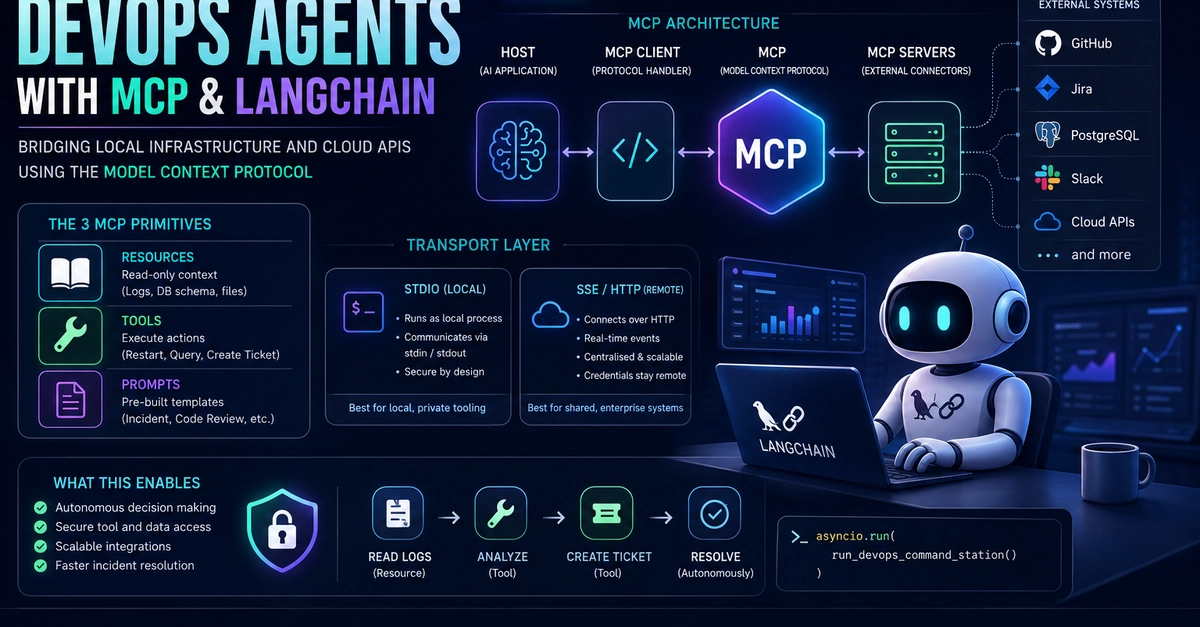
The landscape of AI-assisted development is undergoing a structural shift. We are moving from isolated, prompt-based interactions to interconnected, protocol-driven ecosystems. At the heart of this shift are two critical standards: the Model Context Protocol (MCP) by Anthropic, which standardizes how AI models connect to external data, and the Language Server Protocol (LSP), which has long standardized how developers interact with code intelligence.
Simultaneously, the infrastructure layer powering these interactions is increasingly dominated by Rust. Why? Because as AI agents gain access to file systems, APIs, and database connections, the security and performance requirements for the transport layers become non-negotiable. This article dives deep into the convergence of these technologies, examining how MCP and LSP are evolving to support secure, context-aware AI agents, and why Rust is becoming the de facto language for building the infrastructure that makes this possible.
The Evolution of AI Connectivity: From Prompts to Protocols
Historically, integrating AI into software engineering workflows was a fragile process. Developers wrote scripts to call OpenAI or Anthropic APIs, parsing JSON responses and injecting them into their IDEs or CI/CD pipelines. This approach was brittle, insecure, and difficult to scale.