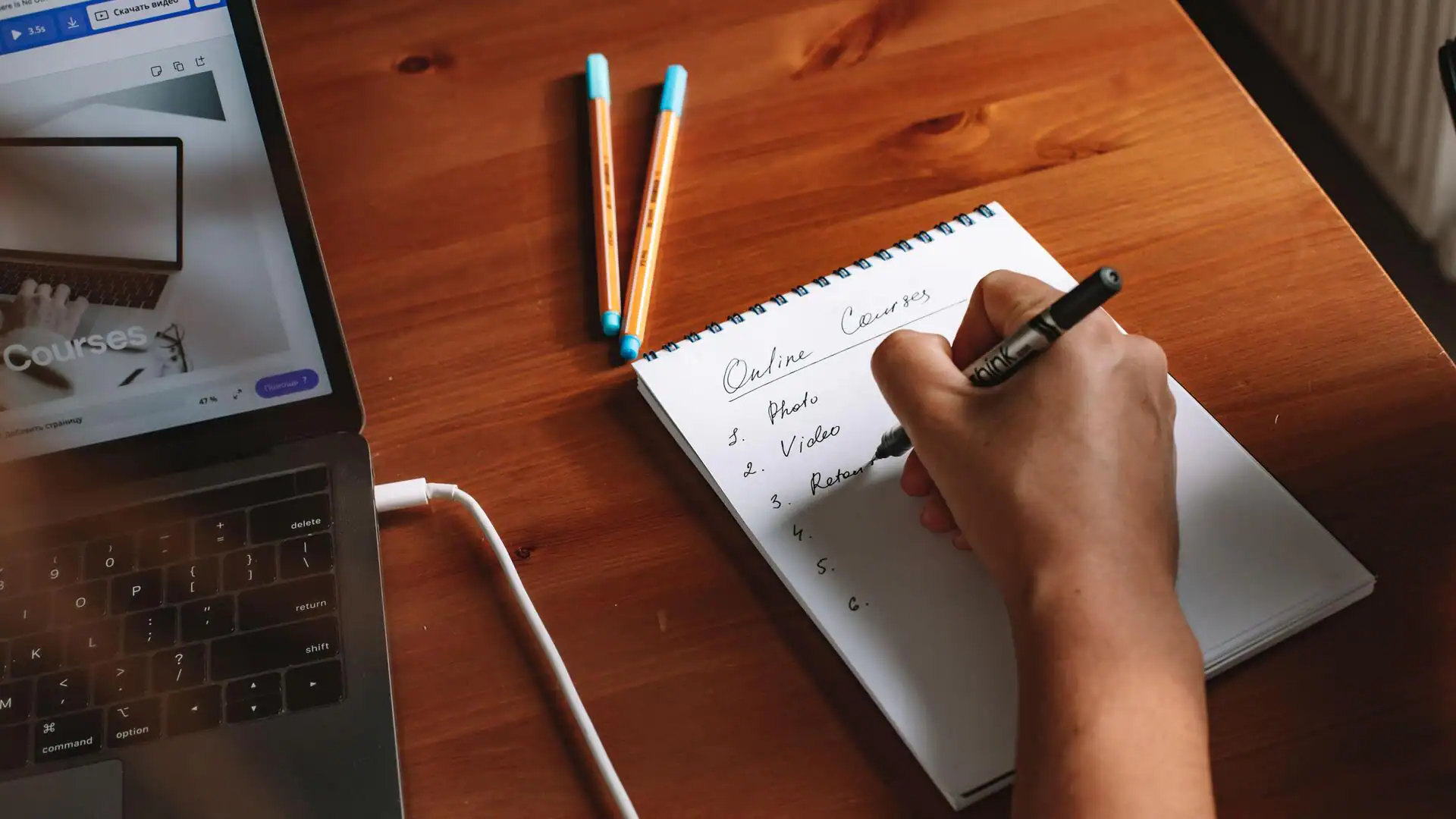
"Pre-work overwhelm” can leave you emotionally exhausted before the workday even begins—but the P.A.U.S.E. Method can help you stop stress from taking control.gettyYour workday may be starting too early—before you even log on. For millions of professionals, the workday doesn’t begin when they open their laptop. It begins the moment they reach for their phone. If you’re like many employees, you’ve already done a day’s work before breakfast. Maybe you’ve scanned a crowded inbox, responded to Slack notifications, checked social media, and mentally replayed yesterday’s difficult meeting. By the time you’re officially "at work," you’re already emotionally depleted.‘Pre-Work Overwhelm’This growing phenomenon—what workplace experts describe as pre-work overwhelm—is characterized by anxiety, mental clutter and emotional fatigue that builds before the workday has even begun. While conversations about burnout often focus on heavy workloads and long hours, the real problem may start much earlier: the way people transition from sleep into work.“The pressure to be productive is leaving many people emotionally drained before work has even begun,” Jackson Parsons of My Duvet Flip told me. "Many people start the day reacting to other people's demands before checking in with themselves. Your inbox shouldn't dictate your emotional state before 8 a.m."The P.A.U.S.E. MethodRather than recommending another elaborate morning routine or a 5 a.m. wake-up call, Parsons developed what he calls the P.A.U.S.E. Method—five small habits designed to reduce mental overload before logging on.P: Put Your Phone DownFor many professionals, checking a smartphone is the very first activity of the day. Within seconds of waking, the brain is flooded with emails, news alerts, social media updates, text messages and work notifications.That immediate shift from rest to constant stimulation leaves little opportunity for the mind to wake naturally. Delaying phone use—even by 15 or 20 minutes—can create a calmer transition into the day and reduce the feeling of instantly being "on call."Instead of allowing notifications to determine your first thoughts, spend those first few minutes stretching, making coffee or simply allowing your mind to wake before engaging with the outside world.A: Avoid Inbox OverloadEmail has become many employees’ morning alarm clock, and that’s part of the problem, Parsons says. The moment you open your inbox, you’re confronted with other people’s priorities. A single urgent message or unexpected request can shift the tone of the entire morning before you've even had breakfast.Instead of beginning the day in a reactive state, Parsons recommends postponing email until after completing a simple morning ritual such as getting dressed, eating breakfast or taking a brief walk. He points out that creating even a small buffer allows you to approach work intentionally instead of emotionally reacting to whatever lands in your inbox first.U: Unrush Your MorningModern mornings often feel like a race against the clock. Many workers rush through breakfast, scroll while brushing their teeth, multitask over coffee and jump from bed into meetings with barely a moment to breathe.That constant sense of urgency teaches the brain that stress is the default setting. Parsons suggests intentionally slowing down one part of the morning. It doesn't require adding another task to an already packed schedule. Drinking coffee without checking email, listening to music while getting ready, sitting quietly for five minute or taking a short walk can all create a psychological shift before work begins.Small moments of calm help interrupt the cycle of perpetual urgency that many employees unknowingly carry into their workday.S: Simplify Your To-Do ListAnother contributor to “pre-work overwhelm” is mental overload. Many people wake up thinking about dozens of unfinished tasks before they’ve even started working. Parsons notes that when every responsibility feels equally urgent, the brain struggles to prioritize, making the day feel overwhelming before it has begun.Instead of creating an endless list first thing in the morning, hr recommends identifying one meaningful priority for the day. Knowing the single task that matters most provides clarity, reduces decision fatigue and makes everything else feel more manageable. "Our brains like certainty," Parsons says. "They don't like chaos."Research supports that work-life’s inevitable uncertainties instantly arouse our fight-or-flight reactions. Studies show that employees living with job uncertainty have worse overall health and more depression than employees who actually lose their jobs.E: Ease Into Work ModeRemote and hybrid work have eliminated one transition many employees once took for granted: the commute. Although commuting had obvious drawbacks, it also provided a psychological boundary between home life and work. Today, many professionals move directly from bed to laptop within minutes, leaving little opportunity for their minds to shift gears.Creating a brief transition ritual can help restore that boundary. Whether it's taking a short walk, making coffee before opening email, changing clothes, tidying a workspace or listening to a favorite podcast, consistent routines signal to the brain that it's time to begin work. Without those transitions, work can begin to feel like it has invaded every corner of your home life.Small Changes Can Prevent Bigger ProblemsA growing body of research underscores just how pervasive work stress has become in 2026. A new study from Ohio State University reports that nearly half of Americans experience stress at least once a week, while one in six faces it daily. Complementing this, a Clarify Capital survey of 1,005 U.S. employees reveals that 28% of burned-out workers are actively considering leaving their jobs. Workplace stress isn’t always caused by overwhelming workloads. Sometimes it’s amplified by how you prepare—or fail to prepare—for the day ahead. The P.A.U.S.E. Method isn’t about maximizing productivity or squeezing more accomplishments into the morning. According to Parsons, it’s about reducing unnecessary cognitive and emotional load before work begins.For employers, this serves as a reminder that employee well-being begins long before the first meeting of the day. For employees, it might mean delaying email, simplifying priorities or building a few minutes of intentional calm into the morning routine. There are 1,440 minutes in a day. Practicing five-minute micro-responses each morning resets your mind, lowering stress, creating an immediate sense of calm and helping you start the workday on the right foot. Plus, you still have 1,435 minutes left to get everything else done.As Parsons puts it, “Most people don’t need to optimize their mornings. They simply need to stop starting every day in survival mode.” When you begin the day feeling grounded instead of overwhelmed, you’re more likely to bring greater focus, resilience and emotional balance to the work ahead.
P.A.U.S.E.: 5 Morning Career Habits That Prevent ‘Pre-Work Overwhelm’
Pre-work overwhelm” can leave you emotionally exhausted before the workday even begins—but the P.A.U.S.E. Method can help you stop stress from taking control.
1,054 words~5 min read