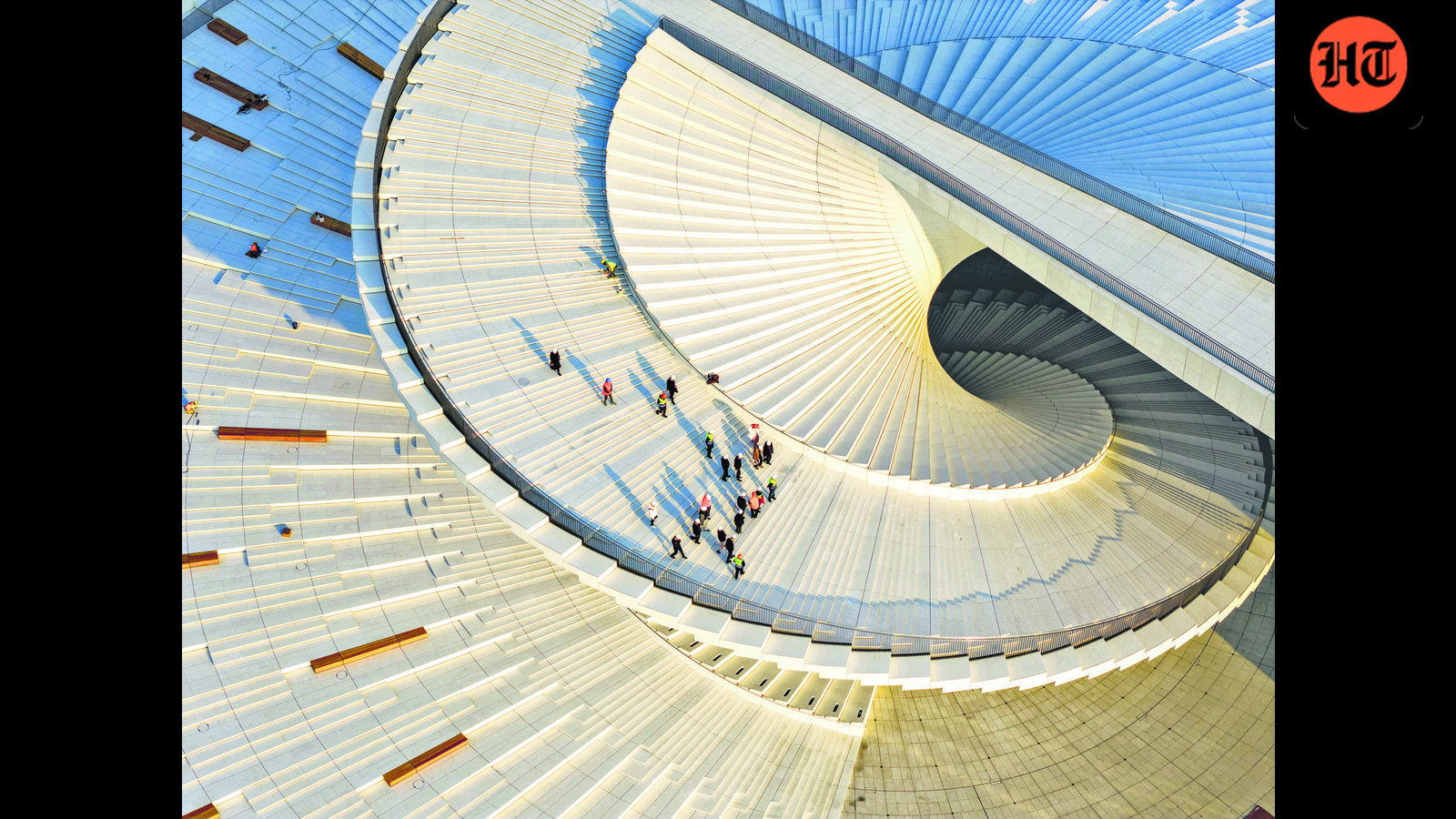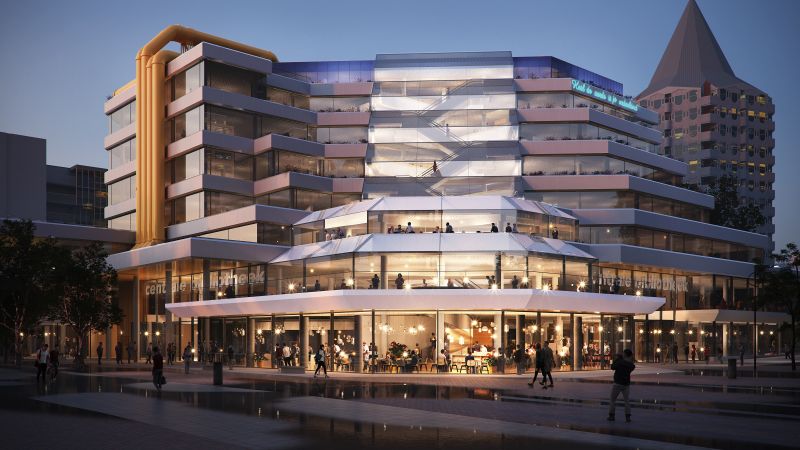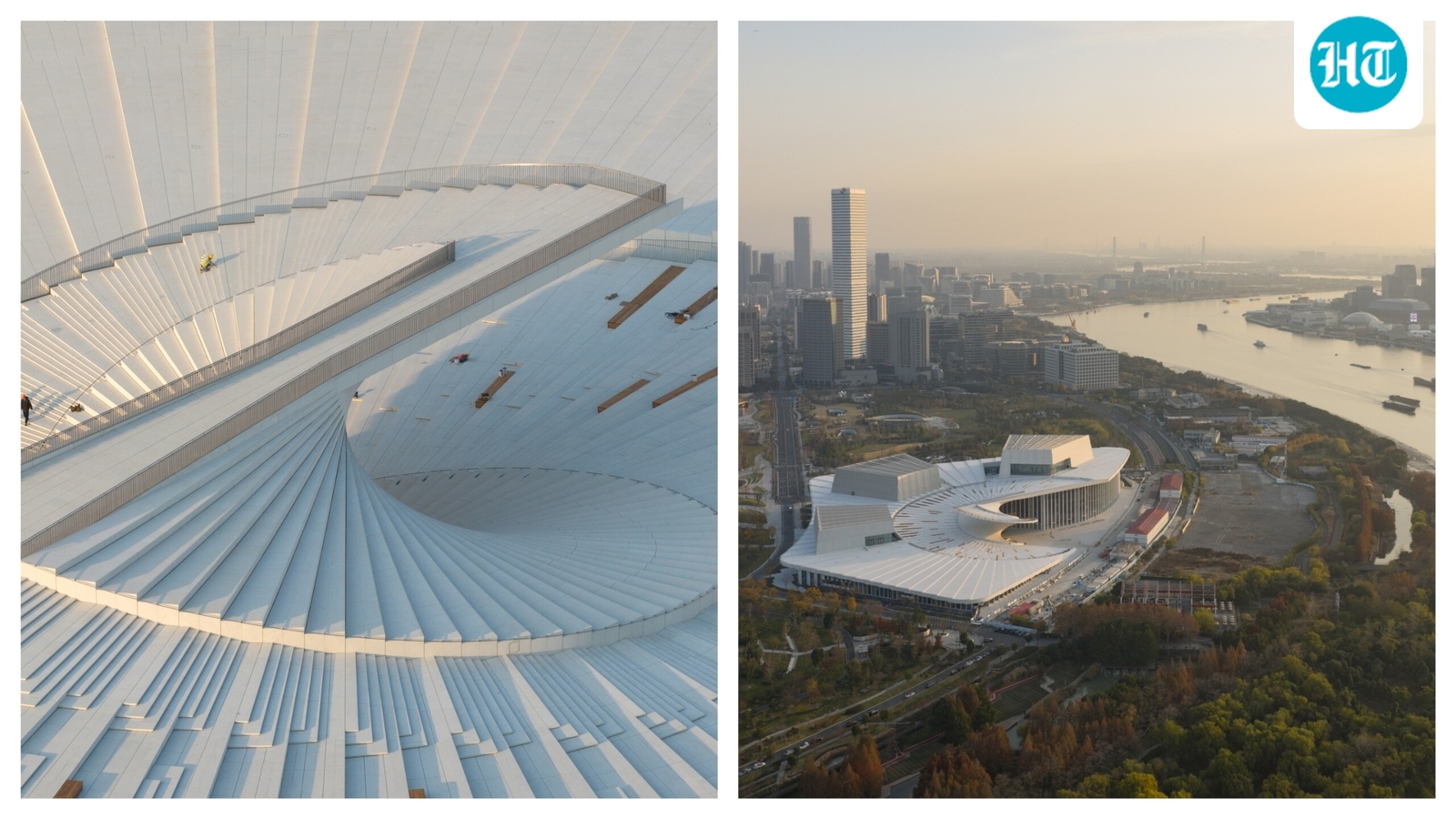
Steel and glass towers now define skylines from Dubai to London, from Shanghai to New York. They appear immaculate, efficient and technologically sophisticated. Yet for all their brilliance, they often leave us strangely unmoved.
Modern architecture has become increasingly visual but progressively less tactile. Our cities are designed to be photographed rather than inhabited, admired from a distance rather than explored through the senses. Just as smartphones invite us to swipe across perfectly smooth screens, contemporary buildings frequently offer little resistance to the human hand. They are frictionless environments for a frictionless age.
Across Europe, particularly among architectural theorists and cultural critics, concern is growing over the erosion of tactile experience in contemporary architecture. Some have described this broader trend as a form of "tactile amnesia." The shift raises a question that extends beyond architecture itself: What happens to a culture when touch gradually disappears from everyday life?
Touch as way of knowing
Vision has long been regarded as the dominant human sense. Yet philosophers and artists have long argued that touch is just as fundamental to the way we experience and understand the world.