(Image credit: Future)
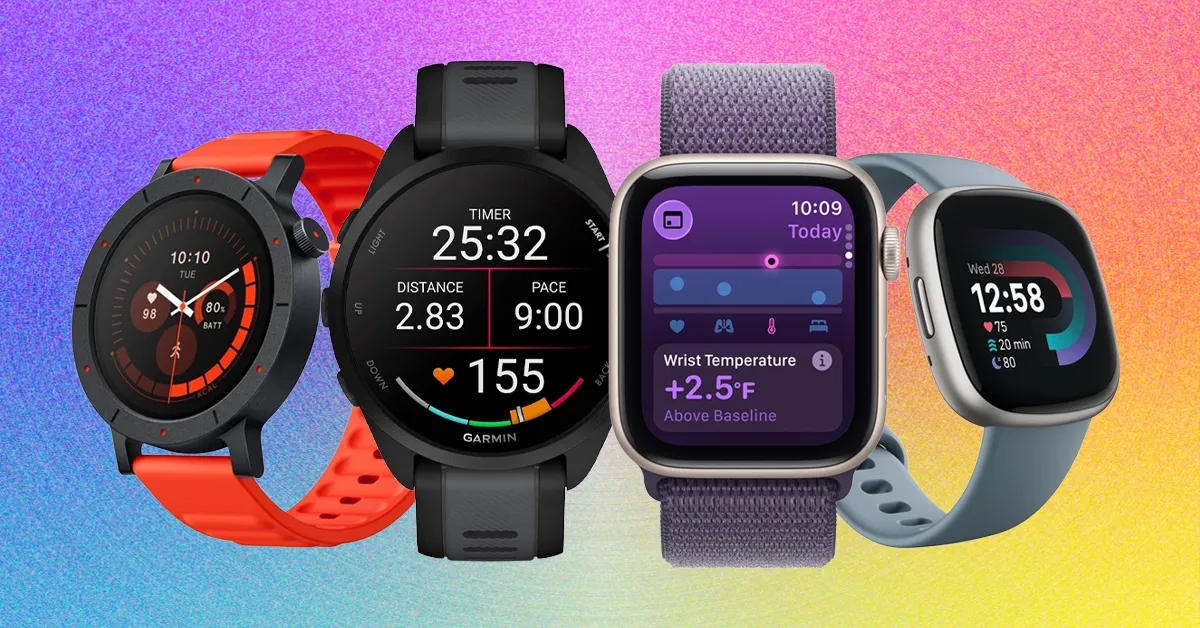
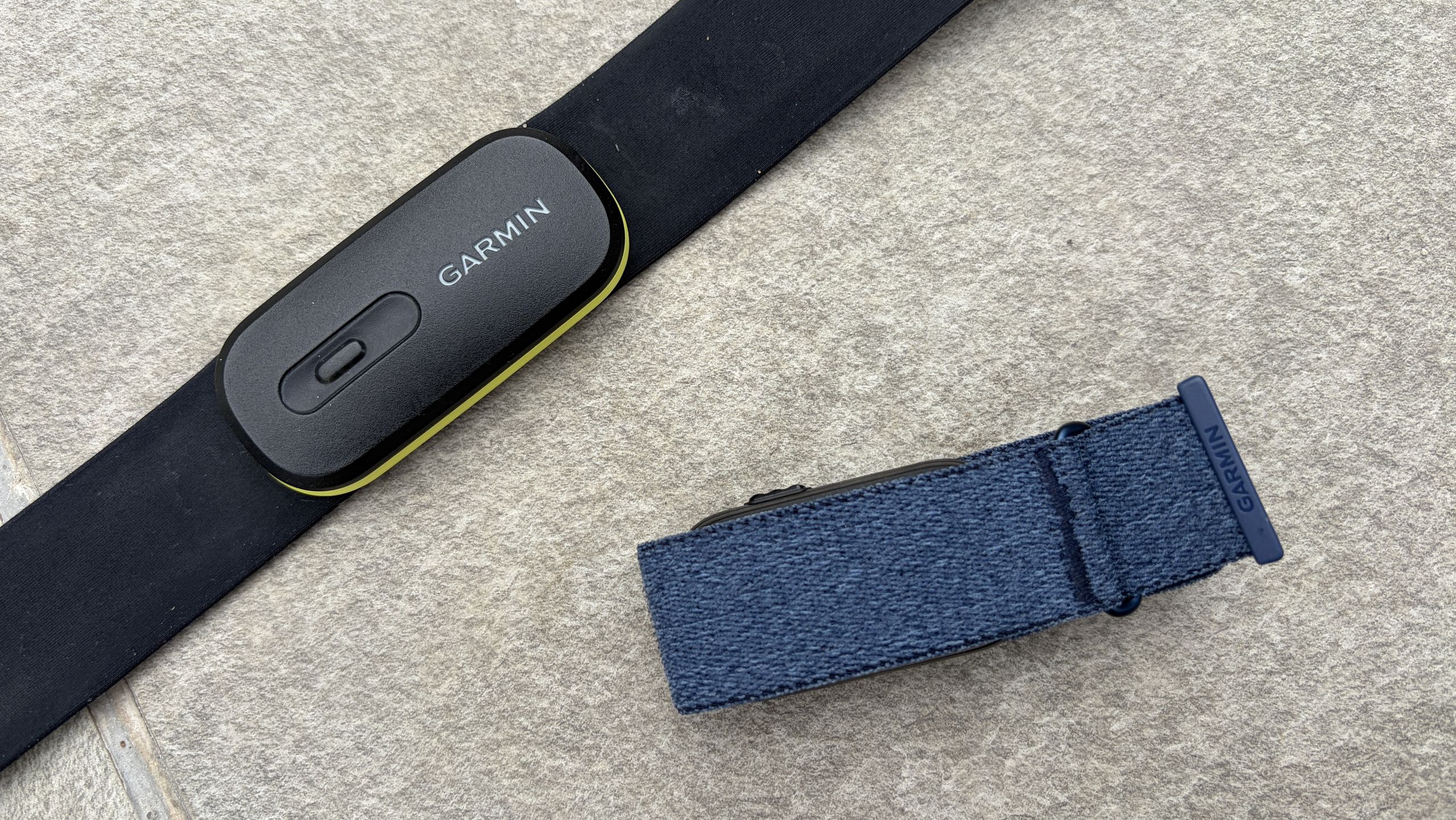
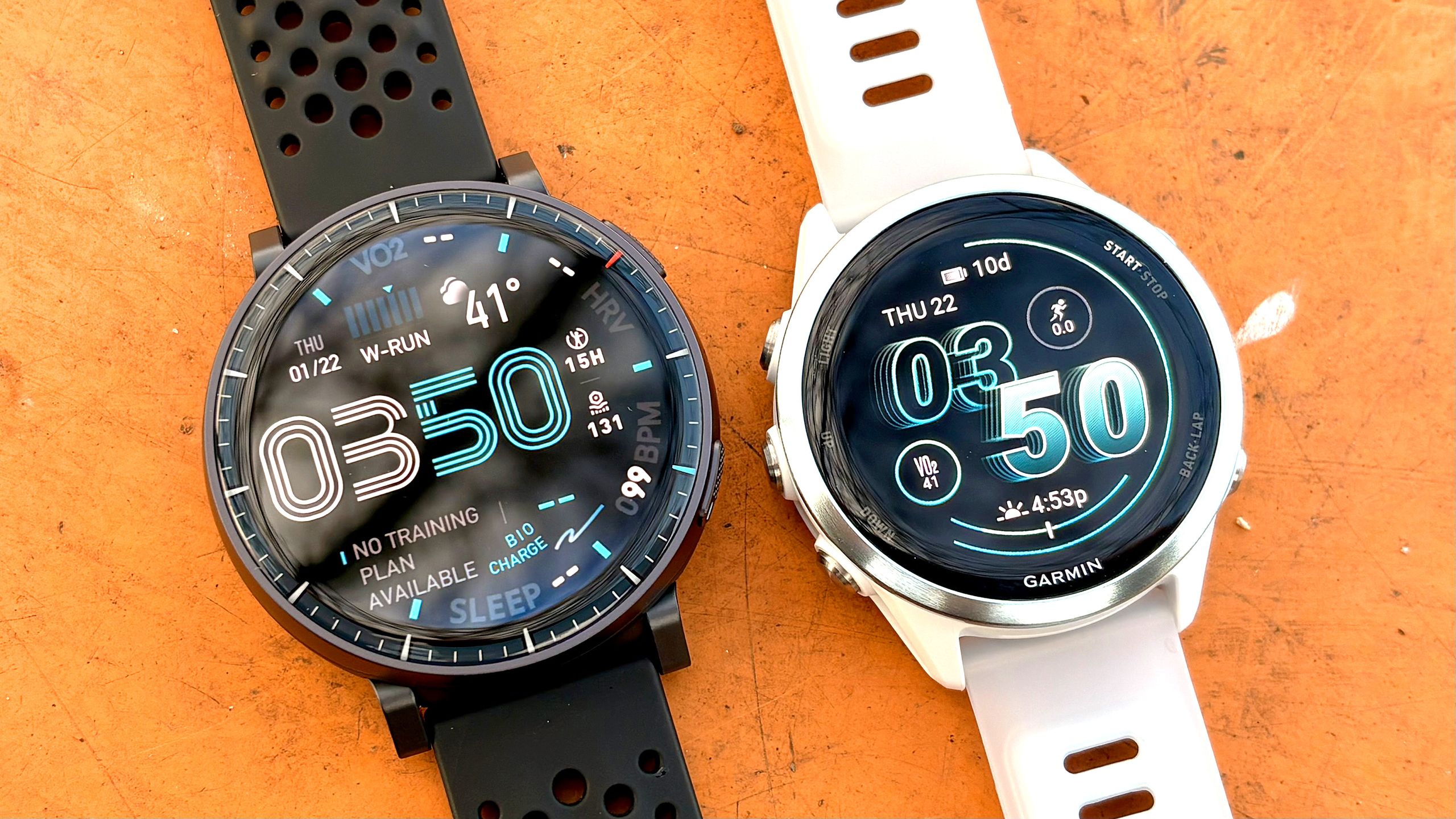
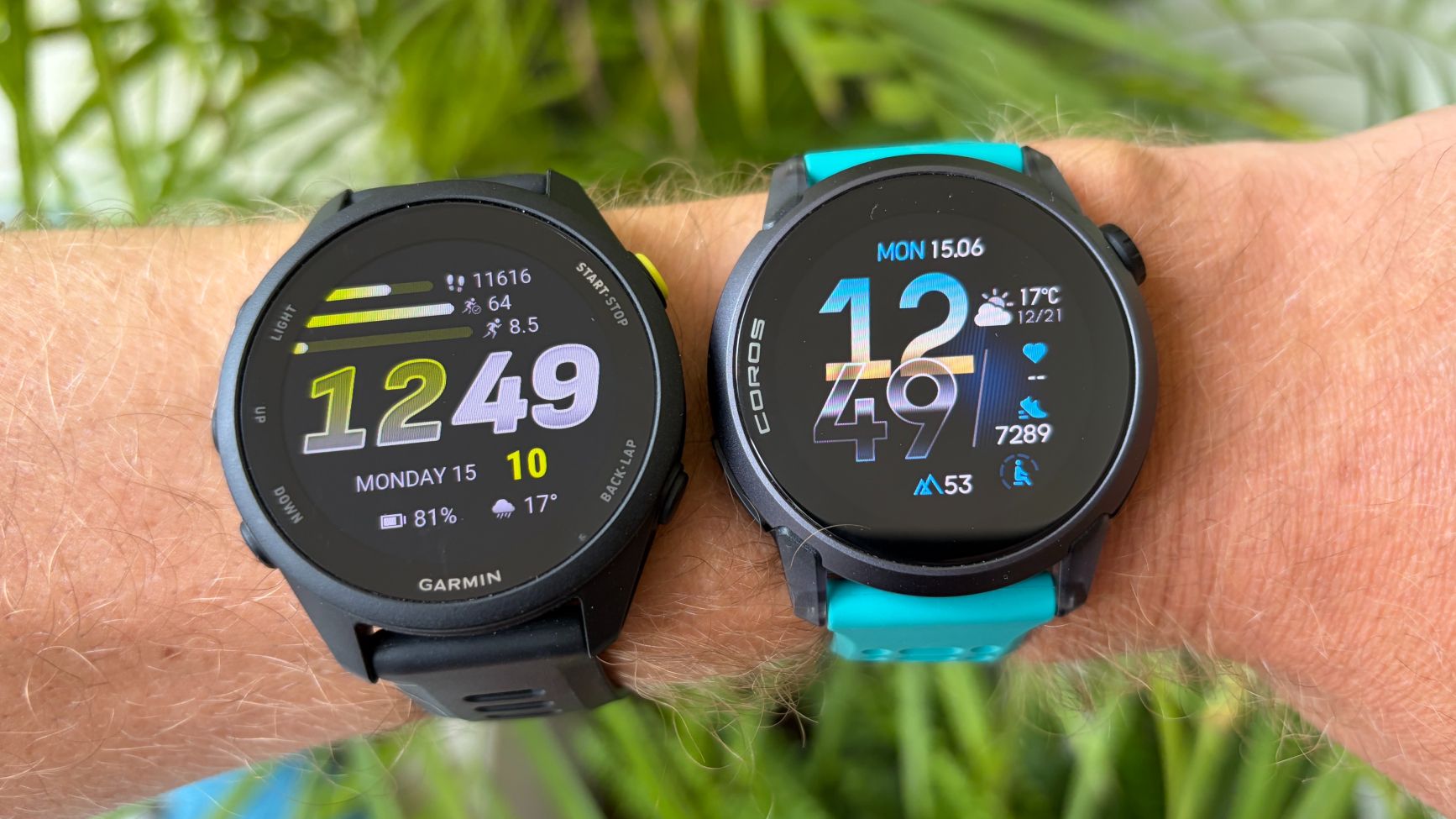
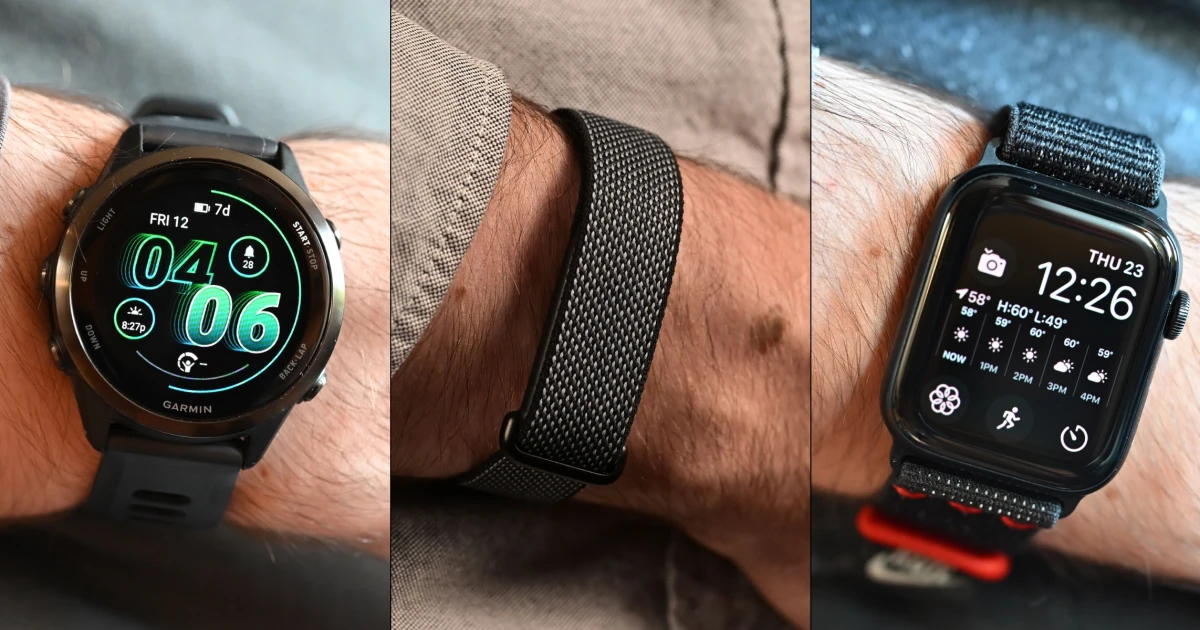
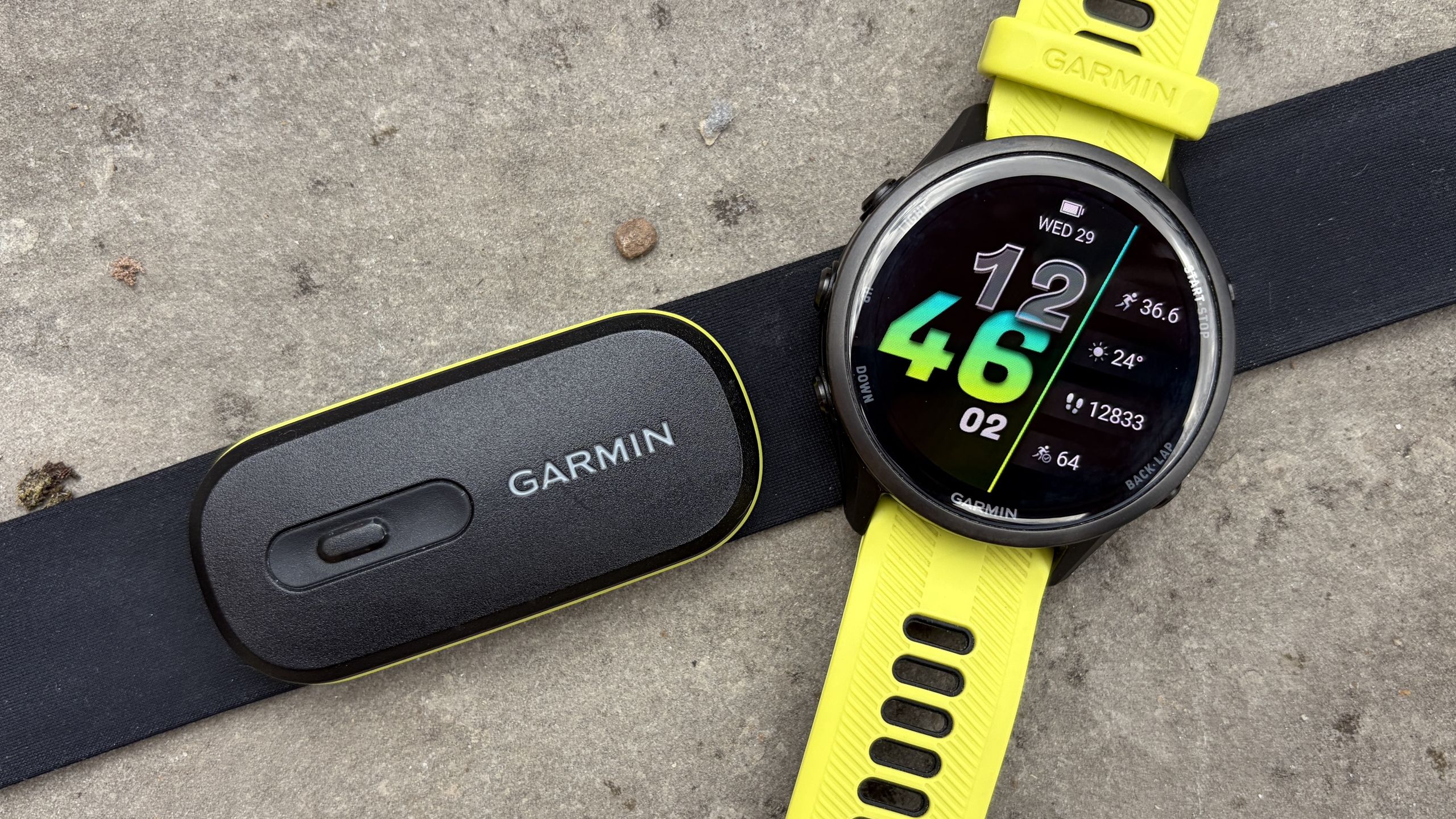
I started testing the best sports watches just over a decade ago, and even back then almost all the new releases had a built-in optical heart rate sensor.It was also the time I started to take my own running seriously, which meant following a training plan set by a coach with sessions of varying intensity throughout the week. I often relied on heart rate data to judge my effort during these sessions, along with my own perception of how hard I was working.This quickly led to the realisation that the sensors on watches were often out of whack with my own estimation of effort, and once I started using a chest strap heart rate monitor, my concerns about the accuracy of those watches were confirmed.In the years since then the sensors on watches have gotten a lot better. The best Garmin watches and the Apple Watch in particular usually produce accurate readings during runs, in my experience.However, if you use heart rate to judge your effort during runs, or pay close attention to the training analysis and recovery stats on your watch, which rely heavily on heart rate data, even the best optical sensors can still fall short, and I prefer to use a chest strap during all my runs myself.It’s one of the best accessories you can get for your workouts, in my opinion — here’s why.Why chest straps are more reliable than optical sensors on watches