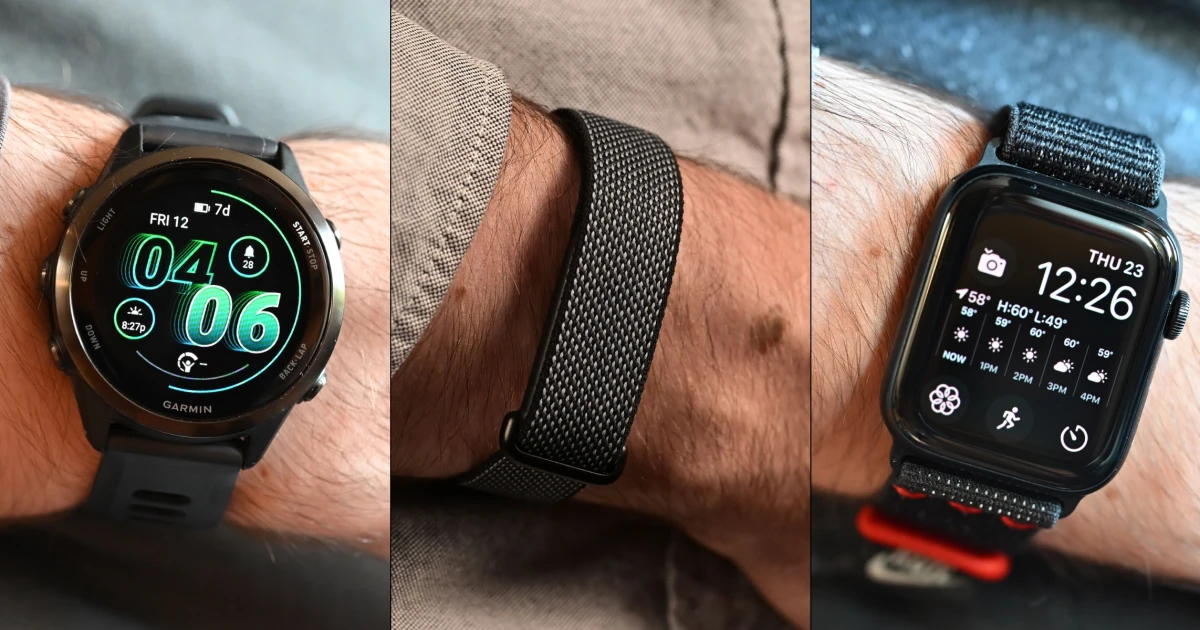
(Image credit: Dan Bracaglia/Tom's Guide)
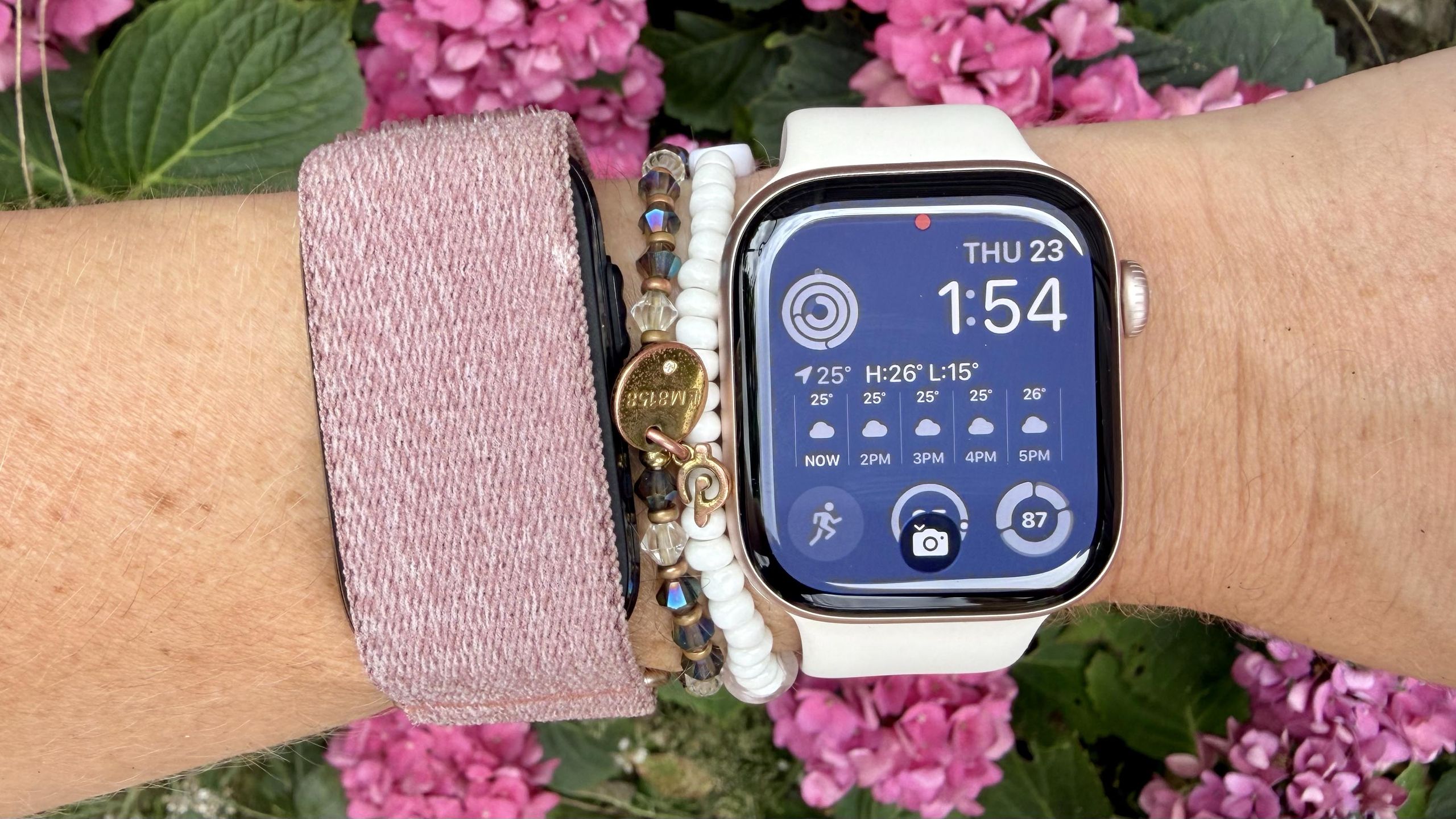
I test a lot of smartwatches and fitness trackers here at Tom’s Guide. I mean A LOT. If the device was released in the past three years, there’s a very good chance I’ve not only helped to review it but also tested it head-to-head against the competition.The vast majority of name-brand wearables track heart rate, distance, and step count — assuming you're going for a walk or hike — with impressive consistency, in my experience. For example, I’ve performed dozens of walk tests where I wear a device on either wrist and manually count my steps to see which comes closer.Not only do most modern wearables come within a few hundred steps of my actual count — an impressive accomplishment when we're talking 5,000 or more steps per walk — but most also report similar distance data, down to a few tenths of a mile, and broadly the same heart rate data, give or take a handful of beats per minute.That said, there are three workout stats that are consistently, well... inconsistent. And it's not just wallet-friendly models that struggle; even some of the best smartwatches and best fitness trackers occasionally have hiccups tracking these metrics.The three fitness tracking stats I trust the least1. Elevation gain