(Image credit: Google)
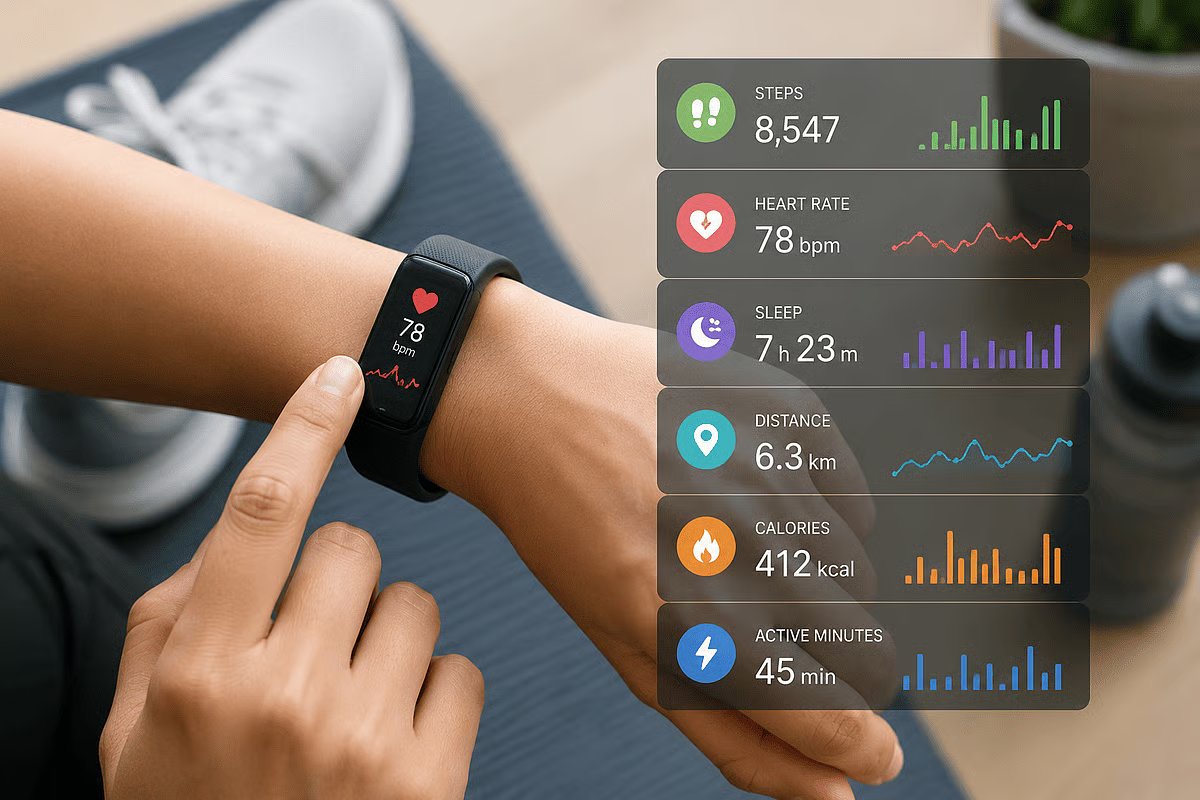
As fitness trackers like the Fitbit Air become better and better, they are now remarkably good at finding new things to measure.Open the companion app after a workout or a night’s sleep and you'll be greeted by a dizzying array of stats: steps, heart rate, HRV, sleep stages, VO2 max, calories burned, and many more besides.Some of that information is genuinely useful, but a lot of it is better treated as (interesting) background noise.The trick is knowing which numbers can tell you something meaningful about your activity or recovery — and, just as importantly, which ones you can actually do something with.For most of us, though, that leaves a much shorter list than the dashboard might suggest.
(Image credit: Future)Steps still matterWith all the newer metrics available, step count can feel almost quaint, but it remains one of the most useful numbers going, simply because it offers a clear picture of how much you’re moving during the day.There’s no need to treat 10,000 steps as a magic target, either. Research suggests health benefits begin well below that figure, with more movement generally bringing greater benefits.Get instant access to breaking news, the hottest reviews, great deals and helpful tips.Your own baseline is the best place to start. If you typically manage, say, 4,000 steps per day, regularly getting closer to 6,000 is meaningful progress.Step counting is also one of the things fitness trackers do reasonably well. It won’t tell you how hard you exercised, which we’ll come to next, but it’s an easy way to spot whether a desk-heavy week has turned into a sedentary one.