(Image credit: Future)
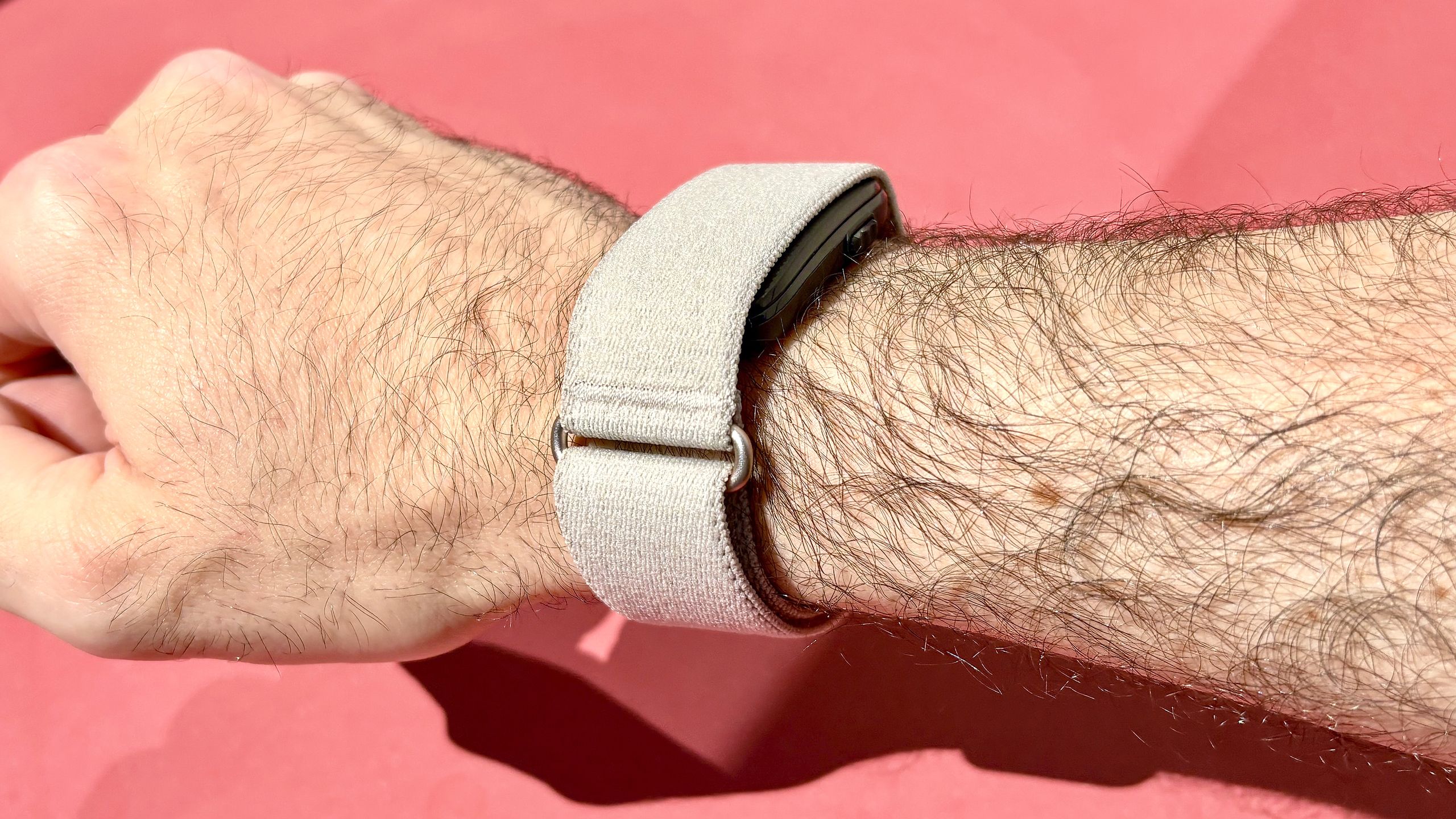
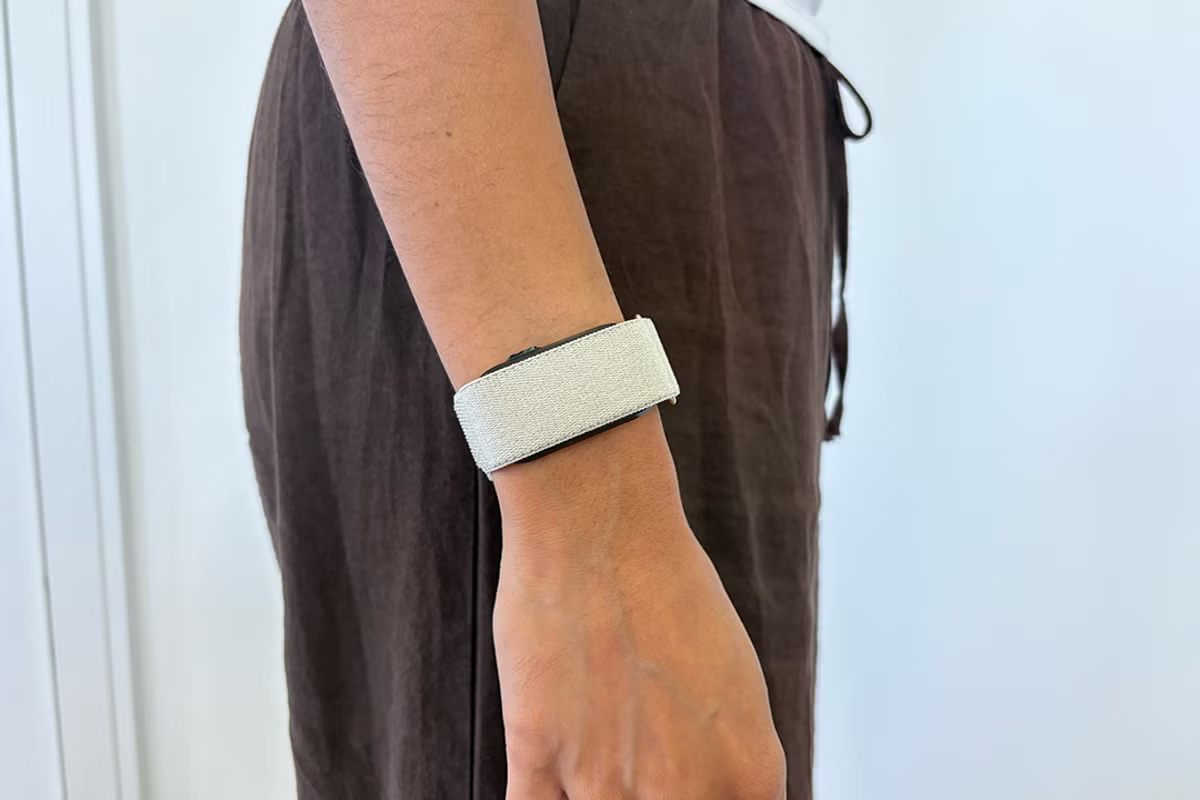
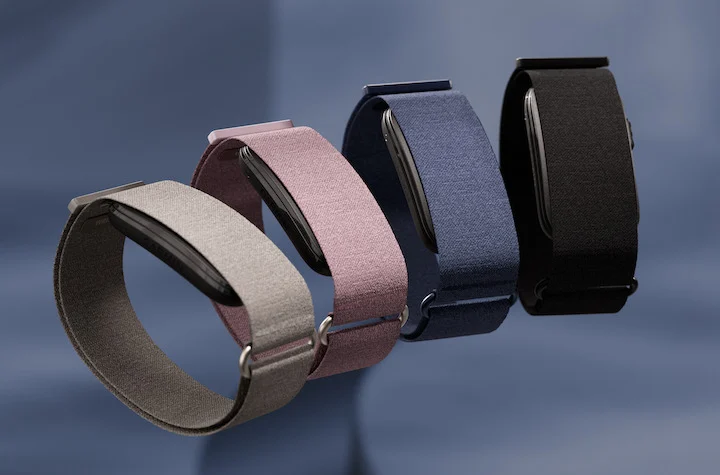
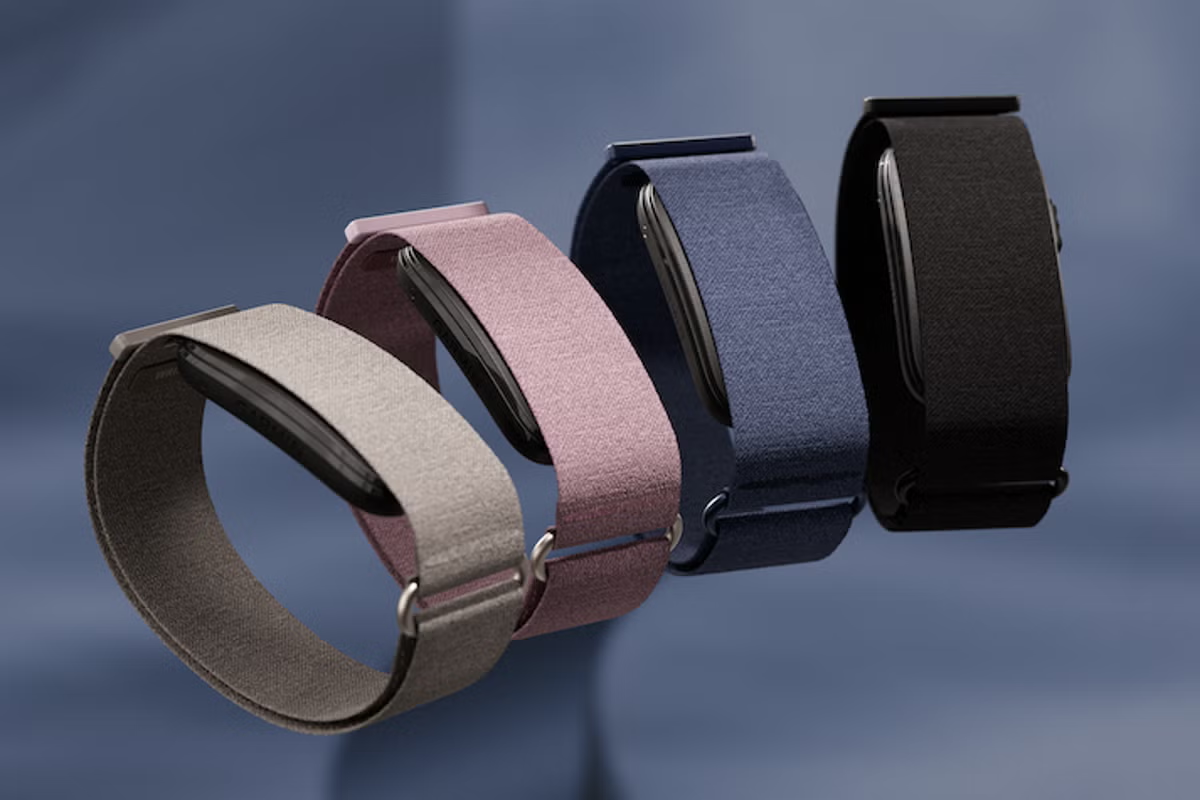
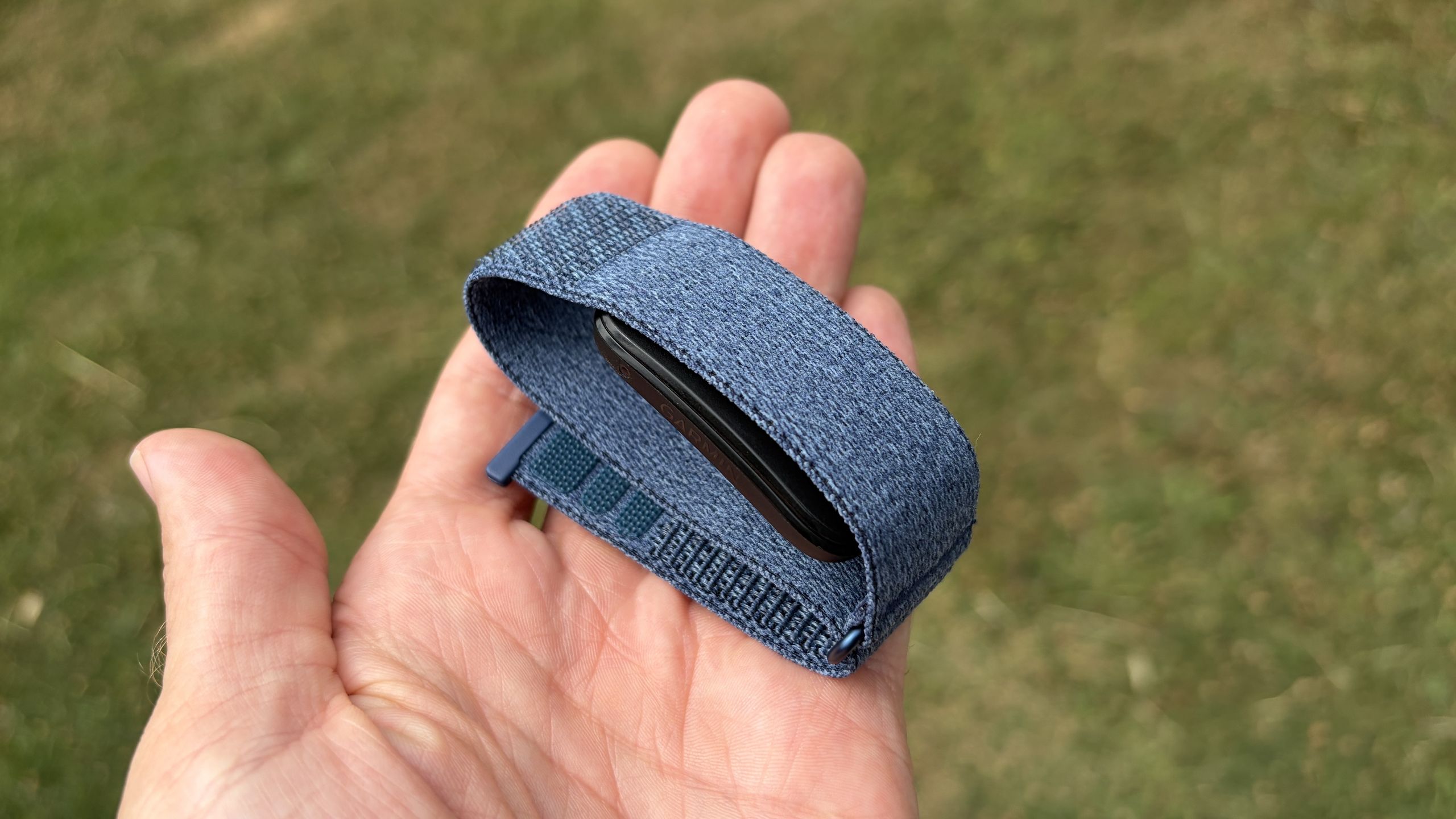
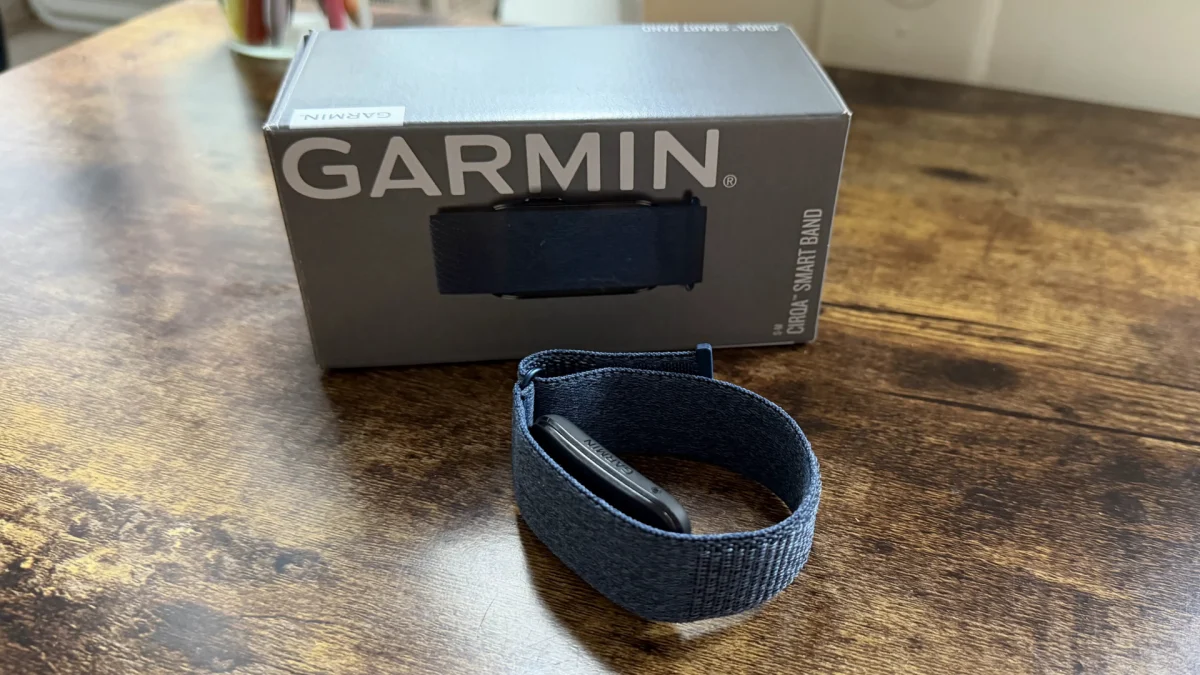
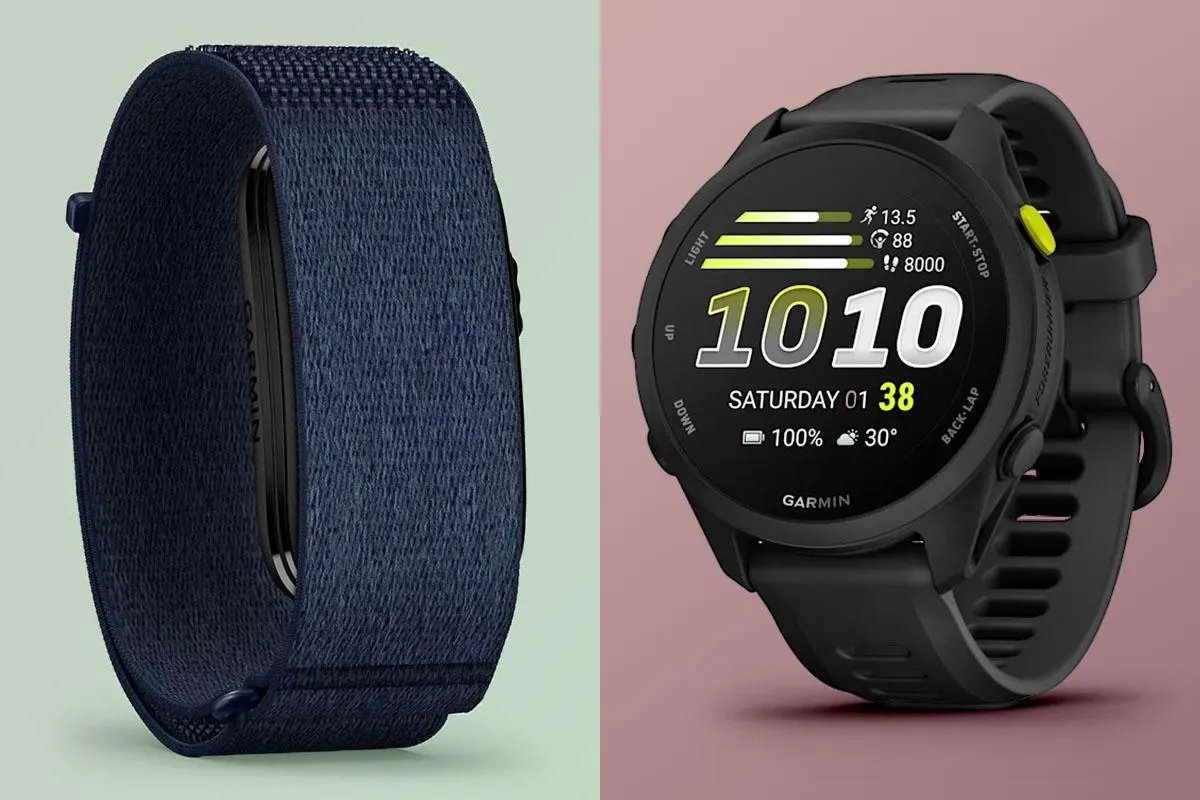
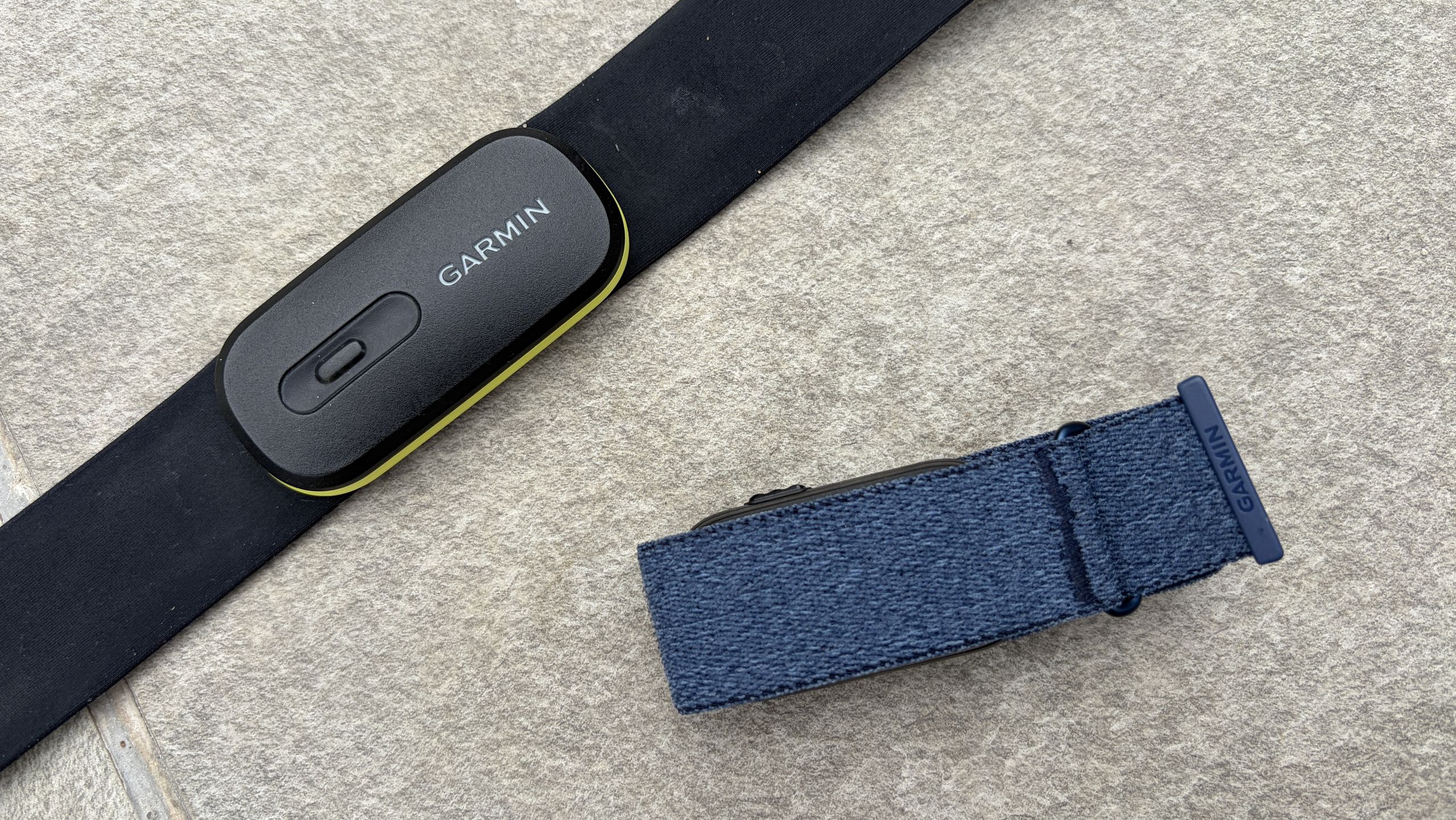
The heart rate sensor on the Garmin Cirqa screen-free tracker powers pretty much all the important stats you get from the device. It’s key to sleep tracking, your body battery and training readiness scores, and your heart rate variability readings.So it must be accurate, especially as, unlike with the best Garmin watches, you can’t pair an external heart rate monitor to the Cirqa to get more accurate data if required.That’s what I do with my Garmin Forerunner 970, even though it has a pretty reliable optical heart rate sensor built into the watch. I pair the Garmin HRM 600 chest strap to the Forerunner 970 for my workouts, because chest straps offer an extra level of reliability.Unlike optical sensors, which use LED lights to measure your heart rate via your blood, with your pulse changing the power of the light that comes back to the sensor, chest straps use electrical signals directly from the heart. They are more accurate and faster to respond to changes in heart rate.Testing the Garmin Cirqa’s heart rate accuracy
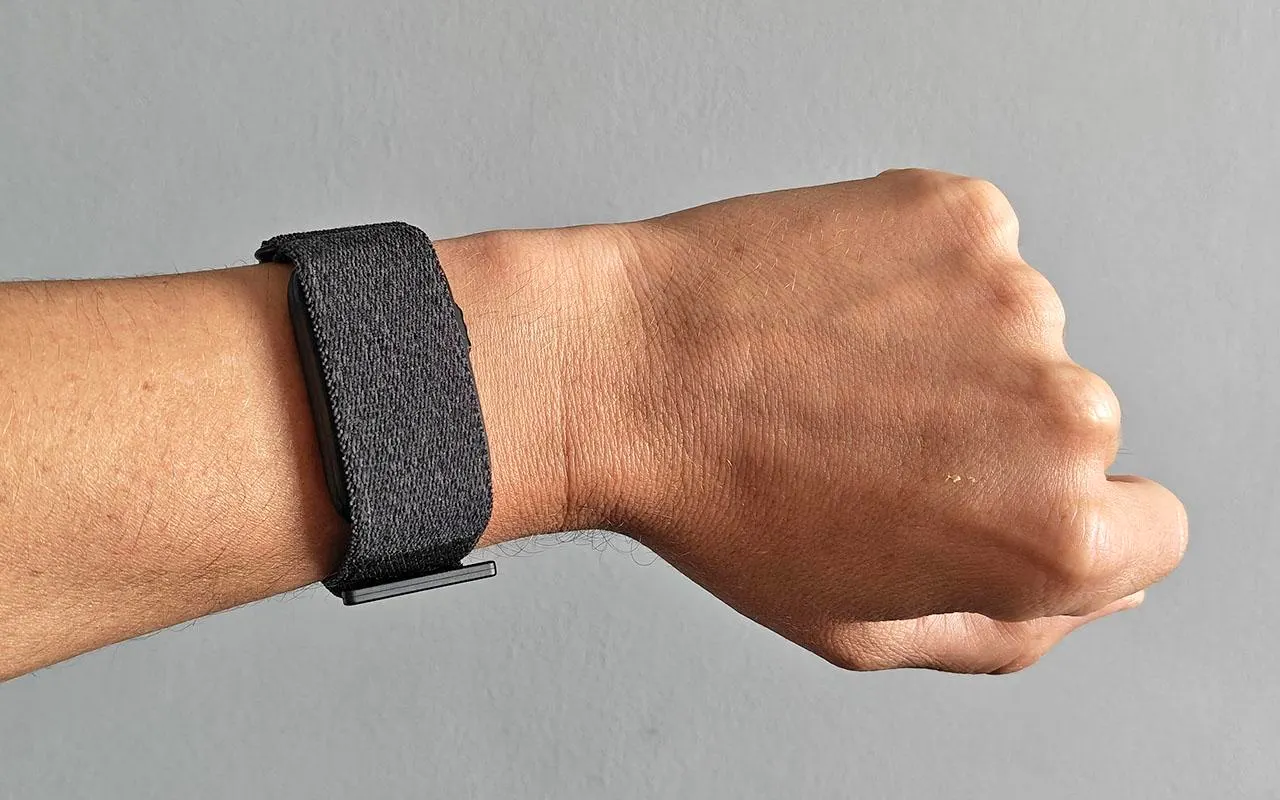
(Image credit: Future)The Cirqa uses Garmin’s Elevate Gen 4 sensor, which is not the latest sensor in the brand’s line-up — most of its watches now use an Elevate Gen 5 sensor, but Garmin told us this was too large for the Cirqa at the launch of the strap.Having spent the last couple of months testing the Garmin Forerunner 170, which also uses the Elevate Gen 4 sensor but has been accurate in my testing, I wasn’t concerned that it would lead to poorer results with the Cirqa.I’ve had the Garmin Cirqa on my wrist for a couple of days, and to check the heart rate accuracy of the device, I’ve done two interval running sessions on the track, an easy run, and a strength workout.Get instant access to breaking news, the hottest reviews, great deals and helpful tips.