Get the latest news and updates from Dawn
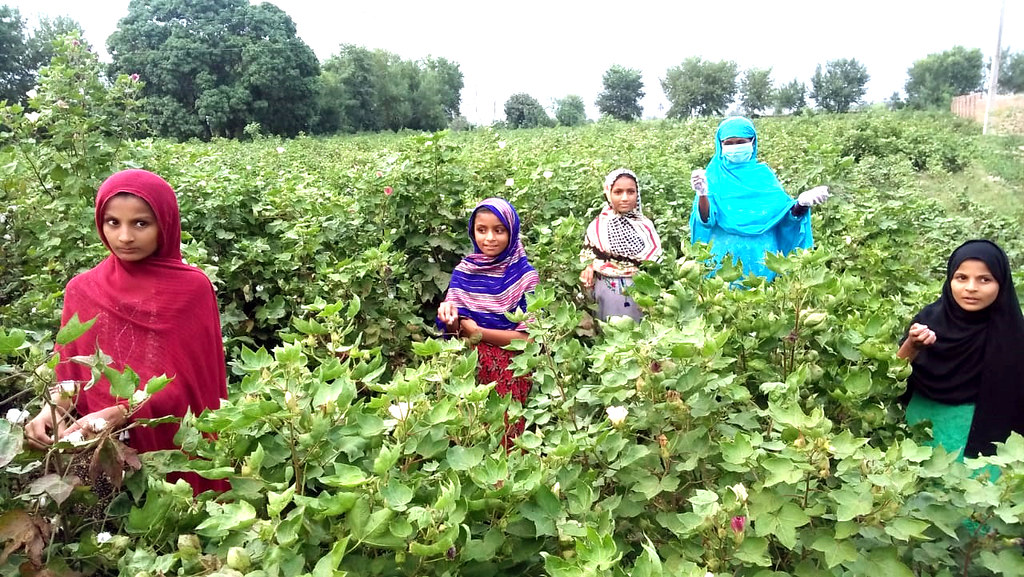
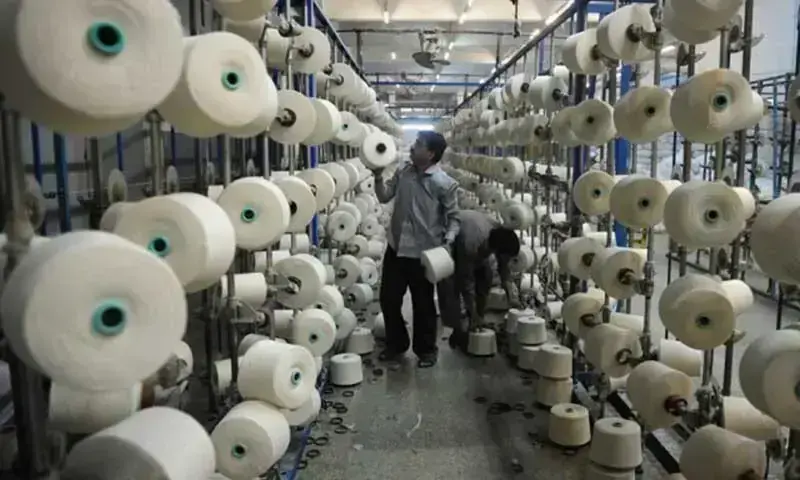
When European lawmakers talk about labour abuse in the garment trade, Pakistan is too often cast as the defendant before any evidence is heard. A serious child-labour problem in one corner of the economy becomes, in the retelling, a verdict on an entire export industry. That is not regulation. It is collective punishment by reputation.
Europe is right to insist that the clothes, towels and bed linen entering its market are not produced through child labour, forced labour, unsafe workplaces or environmental abuse. Pakistan should not seek exemption from those standards. It should, however, challenge the habit of turning legitimate concerns into sweeping judgments about an entire industry.
Regulation must follow evidence, not inherited stereotypes about manufacturing in the developing world.
That distinction matters more now, not less. The European Parliament’s June 2026 briefing on textile trade placed labour and sustainability conditions in supplier countries under renewed scrutiny. The EU’s revised Generalised Scheme of Preferences, applicable from January 1, 2027, will expand the relevant conventions from 27 to 32, strengthen monitoring, and introduce an urgent withdrawal route for serious and systemic violations.