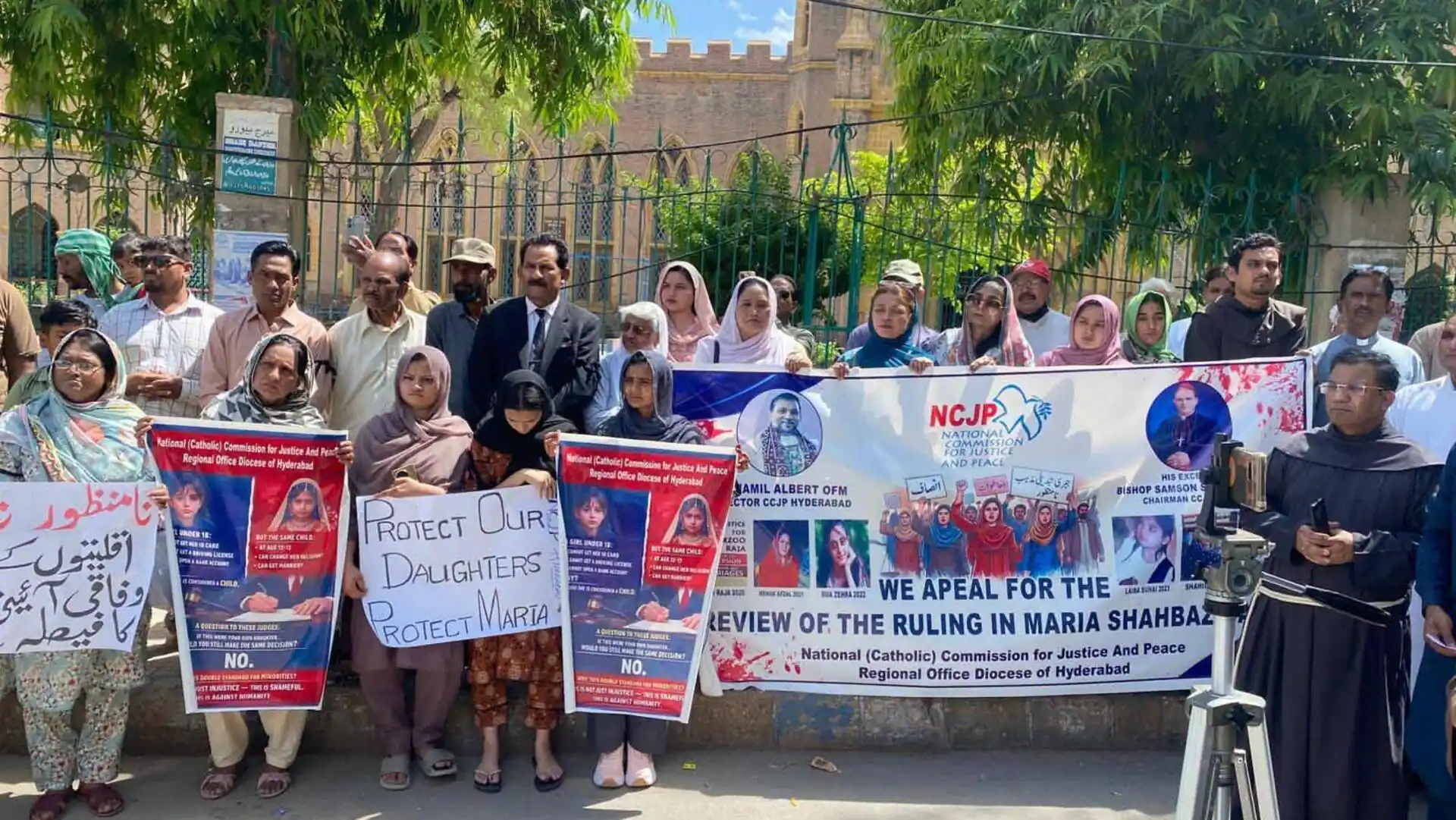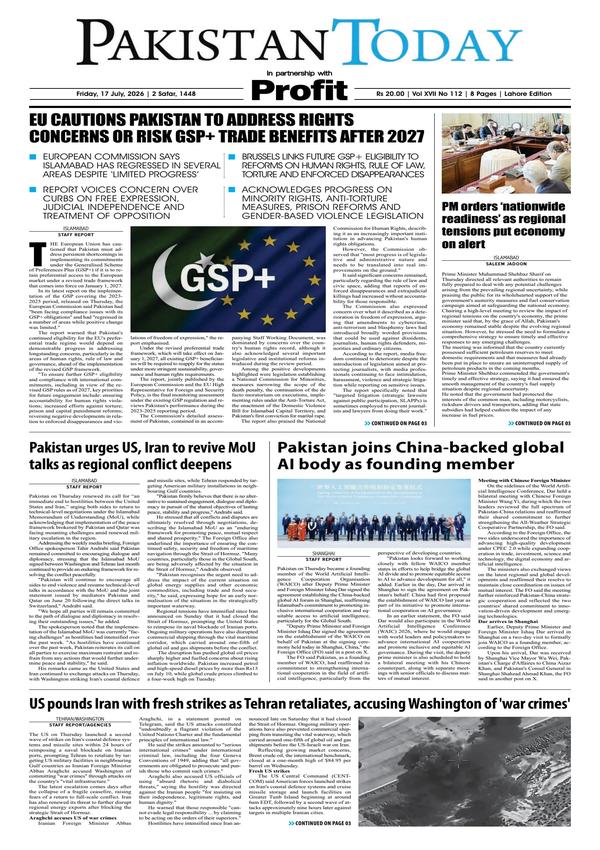
Last week, the European Parliament, after a five-year lull, adopted a resolution on Pakistan — this time condemning alleged abductions, forced conversions, and child marriages among Hindu and Christian minority communities. Citing the case of 13-year-old Maria Shahbaz, the text warns that human rights violations could endanger Pakistan’s preferential market access to the EU, known as GSP+ (General System of Preferences).
It may make for strong headlines, but a closer look at how this resolution came to be — and who actually holds the authority over trade sanctions — reveals a process far more performative than substantive.
Procedural perplexities
First, the legal reality. The European Parliament has no authority over GSP+. That power rests exclusively with the European Commission, the bloc’s executive power. The resolution is non-binding — a political statement, not a policy instrument. Its real purpose is to signal displeasure and influence Commission thinking, but it carries no immediate consequences.
Second, the selection process. The resolution was adopted in the framework of the “urgency debates” on the breaches of human rights and democracy in non-EU countries. This is a monthly procedure according to which three countries are chosen to be subjected to condemnatory resolutions.