European clothing brands can still sell garments whose cotton may be linked to exploited farmers and child labour in Pakistan – and EU law lets them get away with it.
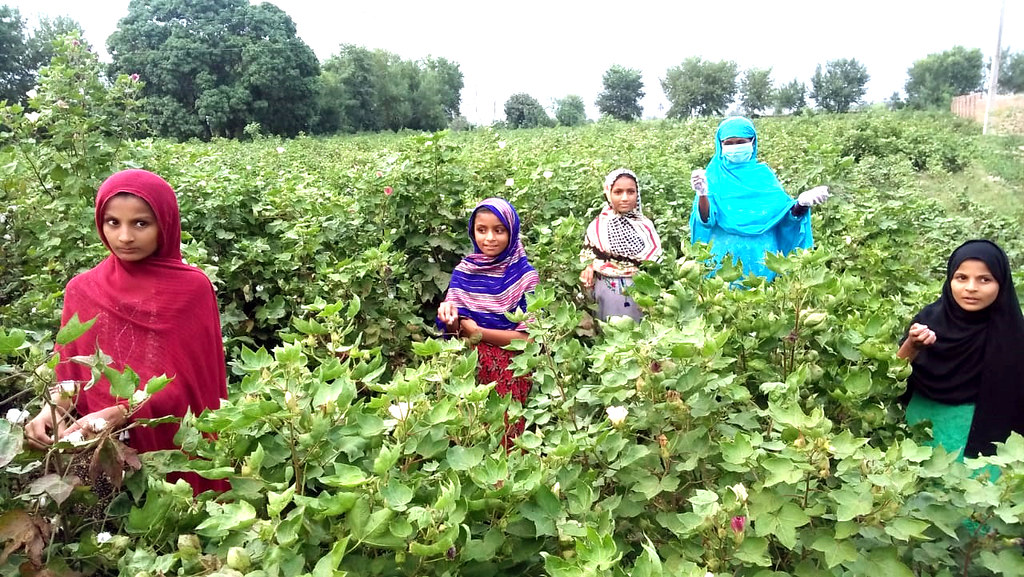
Guddi, aged around 50, picks cotton in Matiari District in Sindh Province, the most fertile after Punjab. She belongs to a low-caste of Hindu family. She has never gone to school. Neither have any of her six children – with a seventh on the way. “I would like them to be educated, but it’s just not possible,” she said. “What’s their future? Nothing! They will live in servitude like me.”
Guddi is among the hundreds of thousands of share-croppers with no means of income trapped in servitude or bonded labour to pay back – often inflated debts – to landlords, a feudal elite controlling the nation’s farmland.
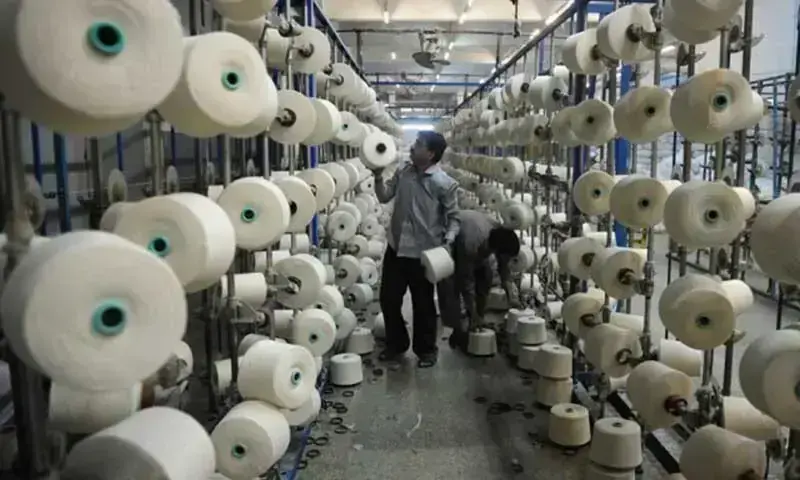
Pakistan is among the seven largest producers of cotton globally. At the same time, it also ranks 18th on the Global Slavery Index, with 2.3 million bonded labourers. This scourge occurs especially in the informal agriculture economy which lies outside social law enforcement, with exploitation largely unchecked and unpunished.
Guddi’s 13-year-old daughter also works in the cotton farm owned by their landlord. “I want to see her happy and prosperous, but it takes four pairs of hands to pick 40kg, for which I get paid Rs 500 (€1.58),” Guddi said. “I could never break out of poverty; neither will she; she is a slave.”