MIRPURKHAS, PAKISTAN: In the quiet town of Sufi Colony on the outskirts of Mirpurkhas, the hum of 20 sewing machines fills the air each morning as women gather for work at the BRIT Women’s Garment Unit.
Among them is 25-year-old Sanjana Dileep, the fastest stitcher on the floor, a divorced mother of one, and one of the four women who co-own the factory.
“In the factory we manufacture suits and jackets that are exported,” Dileep said, her voice calm but proud. “We do a variety of sewing there.”
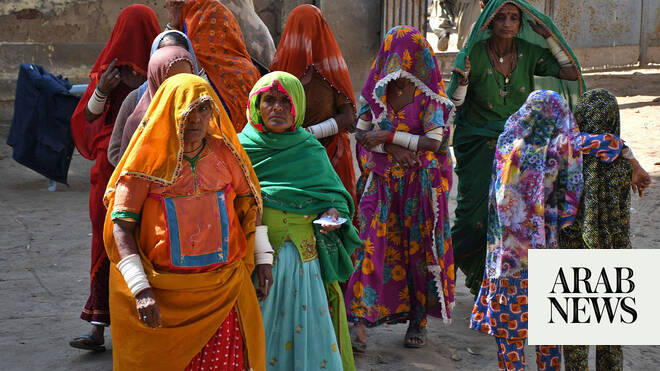
Launched with a Rs2 million ($7,000) interest-free loan under the Sindh government’s People’s Poverty Reduction Program (PPRP), BRIT has become a symbol of what financial inclusion can mean for marginalized women, especially in Hindu-majority villages where caste, religion and gender often intersect to limit opportunity.
“Earlier, we were living in poverty … But now we are doing this work that fetches us a good salary,” Dileep told Arab News, saying she now supports an extended family of eight, including a cancer-stricken uncle.