LASBELA, Pakistan: On a summer afternoon in the village of Ahmadabad Wang village in southwestern Pakistan this month, the sun filtered through the wooden slats of a modest building tucked between fields and dusty open lands.
Inside, the sharp scent of chalk and fabric mixed with the low hum of women’s voices.
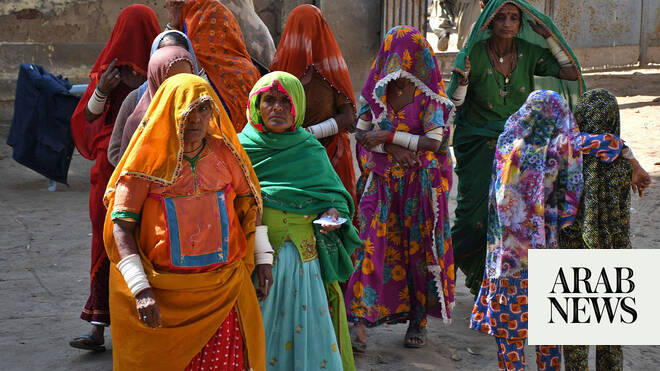
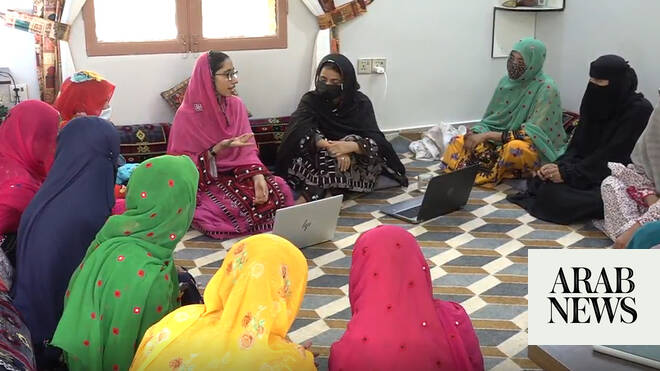
Here, on a carpeted floor lined with checkered rugs and cylindrical pillows, women and girls had gathered not to cook or clean or care but to talk: about reproductive health, about puberty. About what they wanted from life and the future.
And they are doing it in an Autaq, a space that for generations has been the exclusive domain of men in the southern Sindh province and in districts of Balochistan that border Sindh, Lasbela being one of them.
“The concept of Autaq is deeply rooted in our culture, both Sindhi and Baloch,” said Hafsa Qadir, 22, a sociology graduate who helped found this women-only version in December last year.