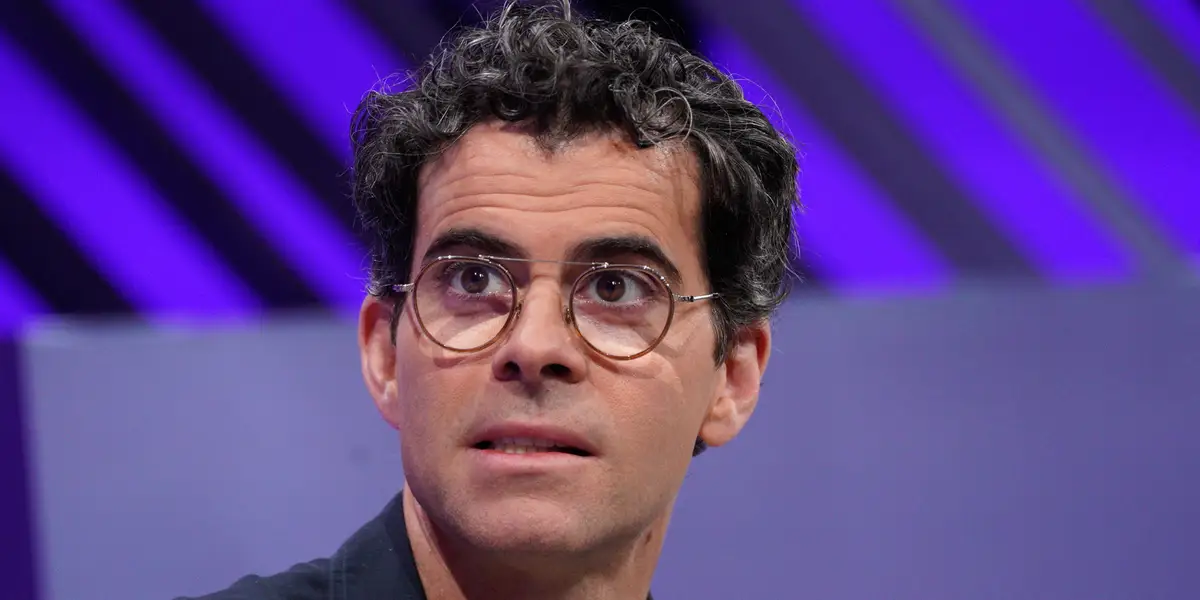
Everything that used to define creators—being genuine, having a distinct voice, building real connections—is now available to anyone with the right tools, he says. Deepfakes keep getting better. AI generates photos and videos indistinguishable from real footage. Feeds are "starting to fill up with synthetic everything," Mosseri writes.
Right now, there's a lot of talk of "AI slop," Mosseri says, but impressive AI content already exists, without twisted limbs and broken physics. Even this higher-quality AI content has a recognizable look, though: images seem somehow fabricated, too smooth. That will change, according to Mosseri.
Why imperfection is becoming proof that something is real
Mosseri sees the future in imperfection. The classic Instagram feed, with its polished photos, heavy makeup, smoothed skin, and high-contrast landscape shots, is already dead, he says. What's thriving instead: stories and direct messages, where blurry photos and shaky videos get exchanged freely.
Camera manufacturers focused on the wrong aesthetics, Mosseri argues, making everyone look like a professional photographer from the past. More megapixels, more processing, and portrait modes with artificial background blur. It looks good, but it's cheap to produce and boring to consume, he writes.