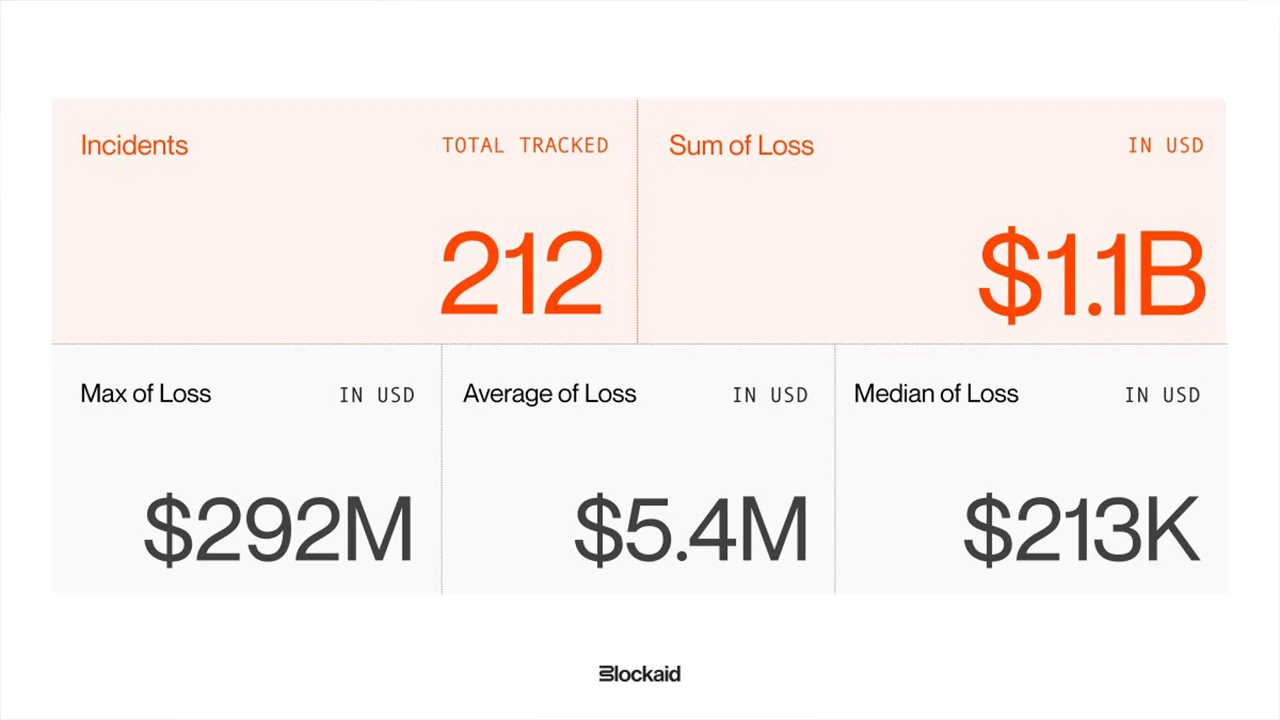
The real story is about an escalating tide of phishing attacks, wallet-draining malware, and operational compromises that have collectively siphoned over $1.1 billion from crypto users during the first half of 2026 alone. That’s across 212 separate incidents. Not one dramatic heist, but a relentless drumbeat of smaller exploits that add up to a staggering sum.
What’s actually happening
No major Bitcoin-native protocol has issued an urgent warning about a network-level attack. The Bitcoin blockchain itself remains secure. Nobody has found a way to break SHA-256 or compromise the consensus mechanism.
In July 2026, a wallet vulnerability dubbed “Ill Bloom” was disclosed, leading to coordinated drains exceeding $5 million from affected wallets. The vulnerability targeted specific wallet implementations, not the Bitcoin protocol.
2026 has seen a record number of crypto exploit activities, surpassing all previous years. The dominant attack vector in 2025 and 2026 has shifted toward operational compromises: social engineering, compromised employee credentials, poisoned software updates, and phishing emails. In previous cycles, the big losses came from smart-contract bugs. That still happens, but hackers have realized it’s easier to trick a person than to crack code.