Audio By Vocalize
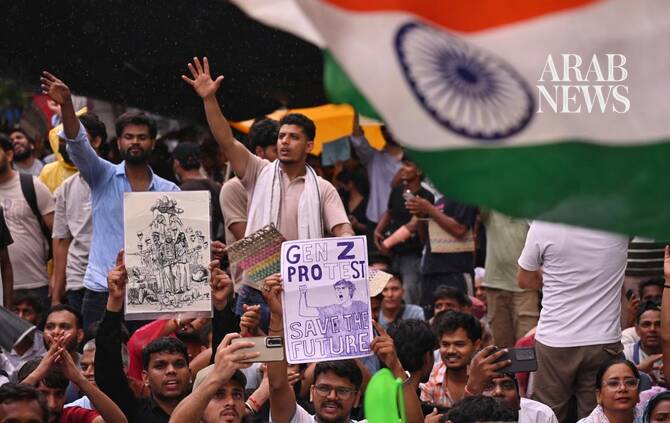
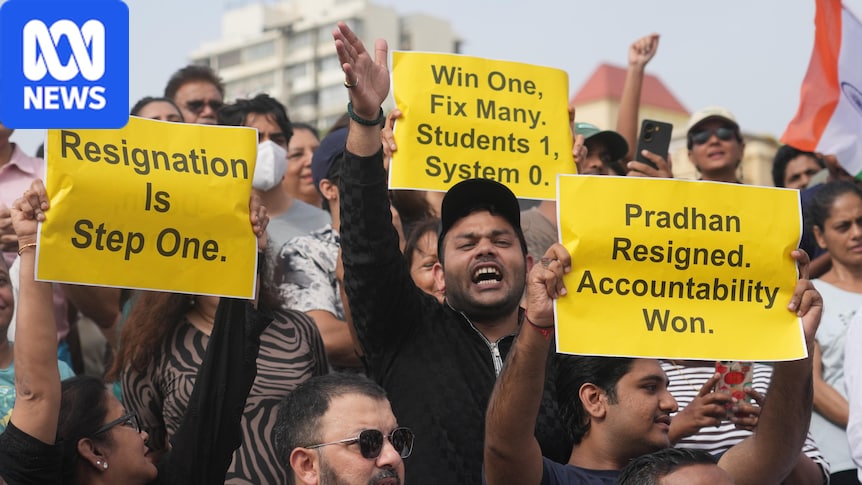
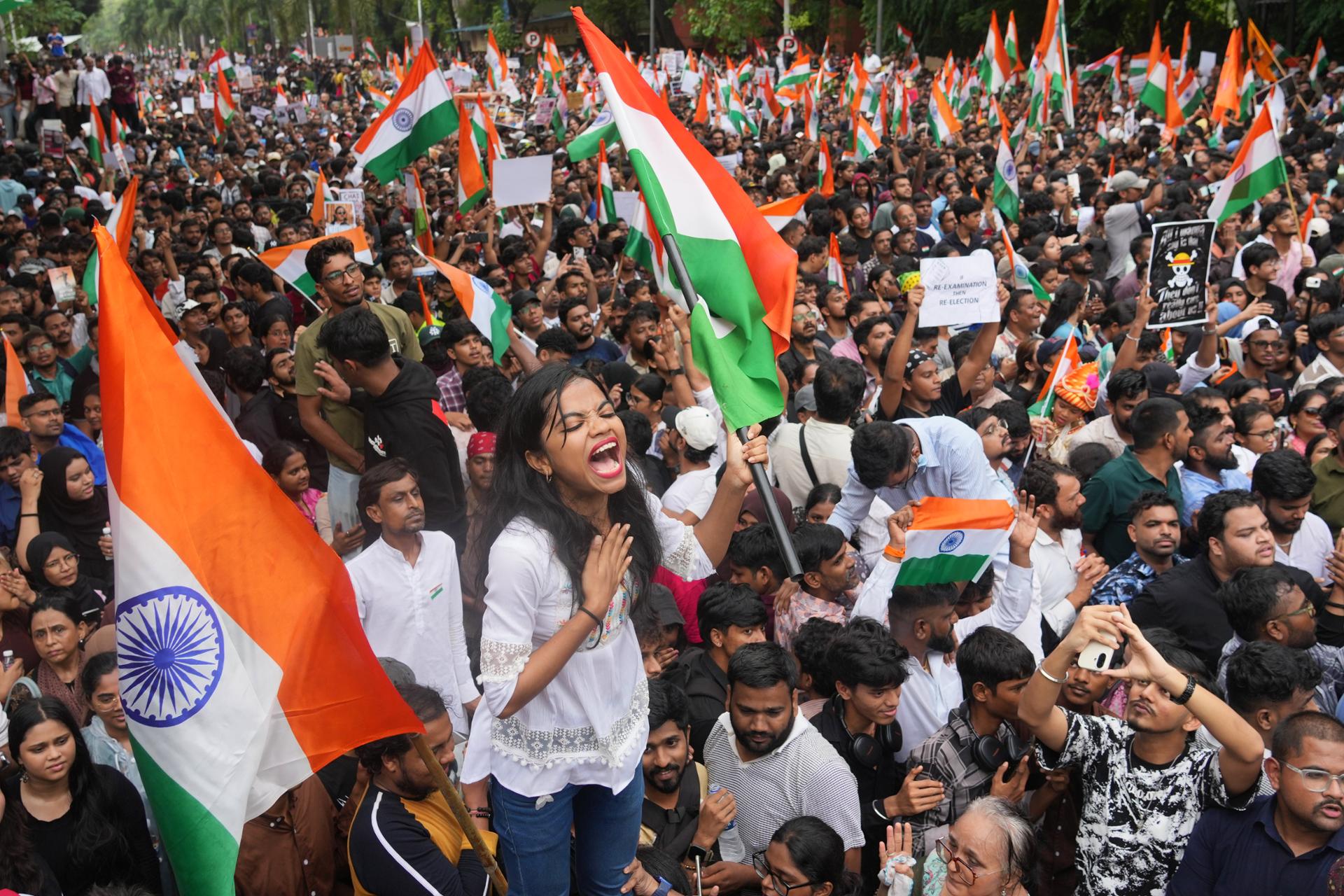
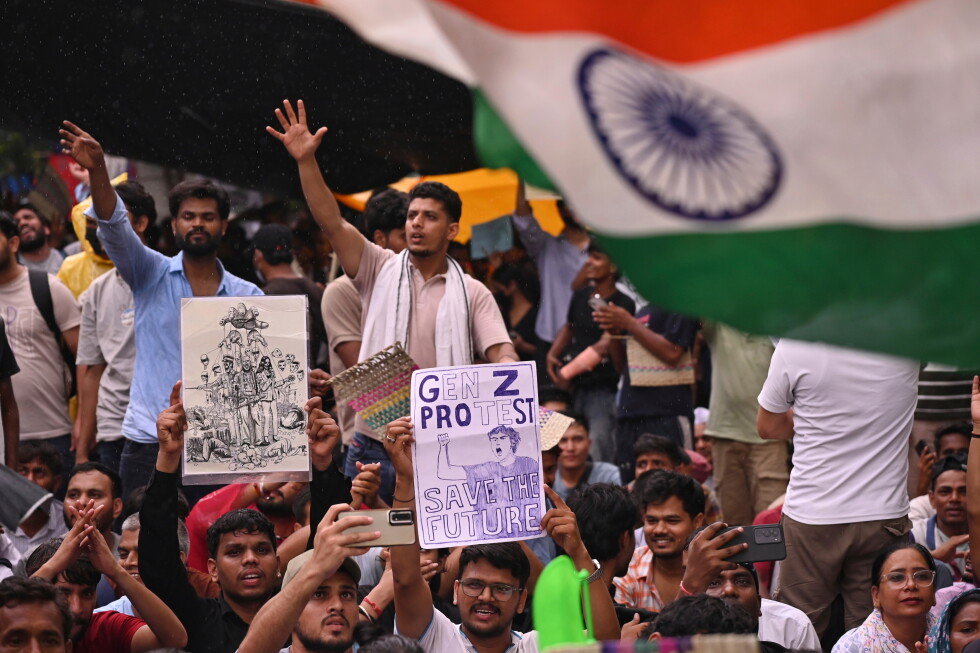
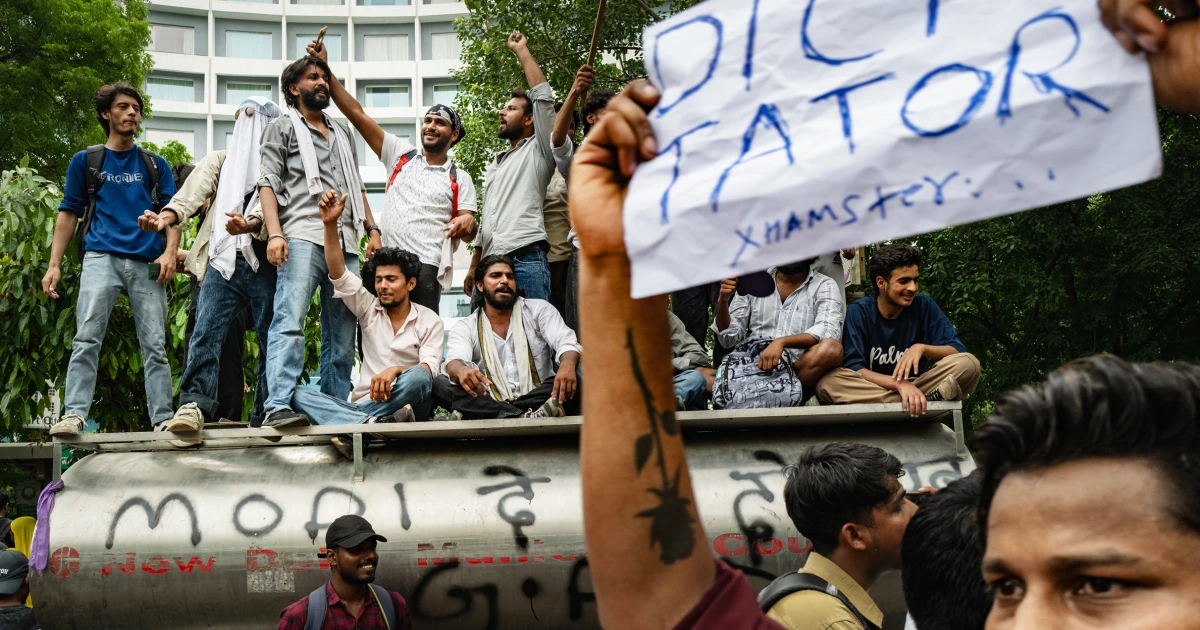
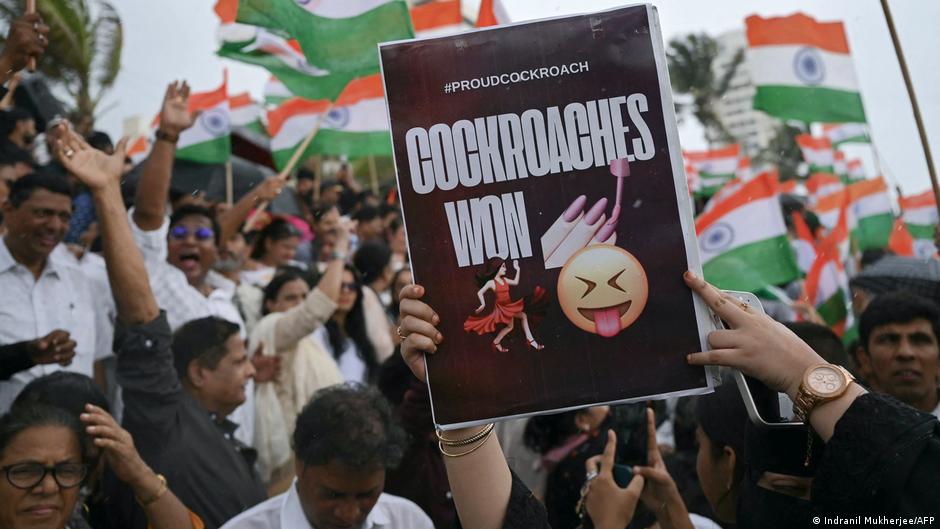
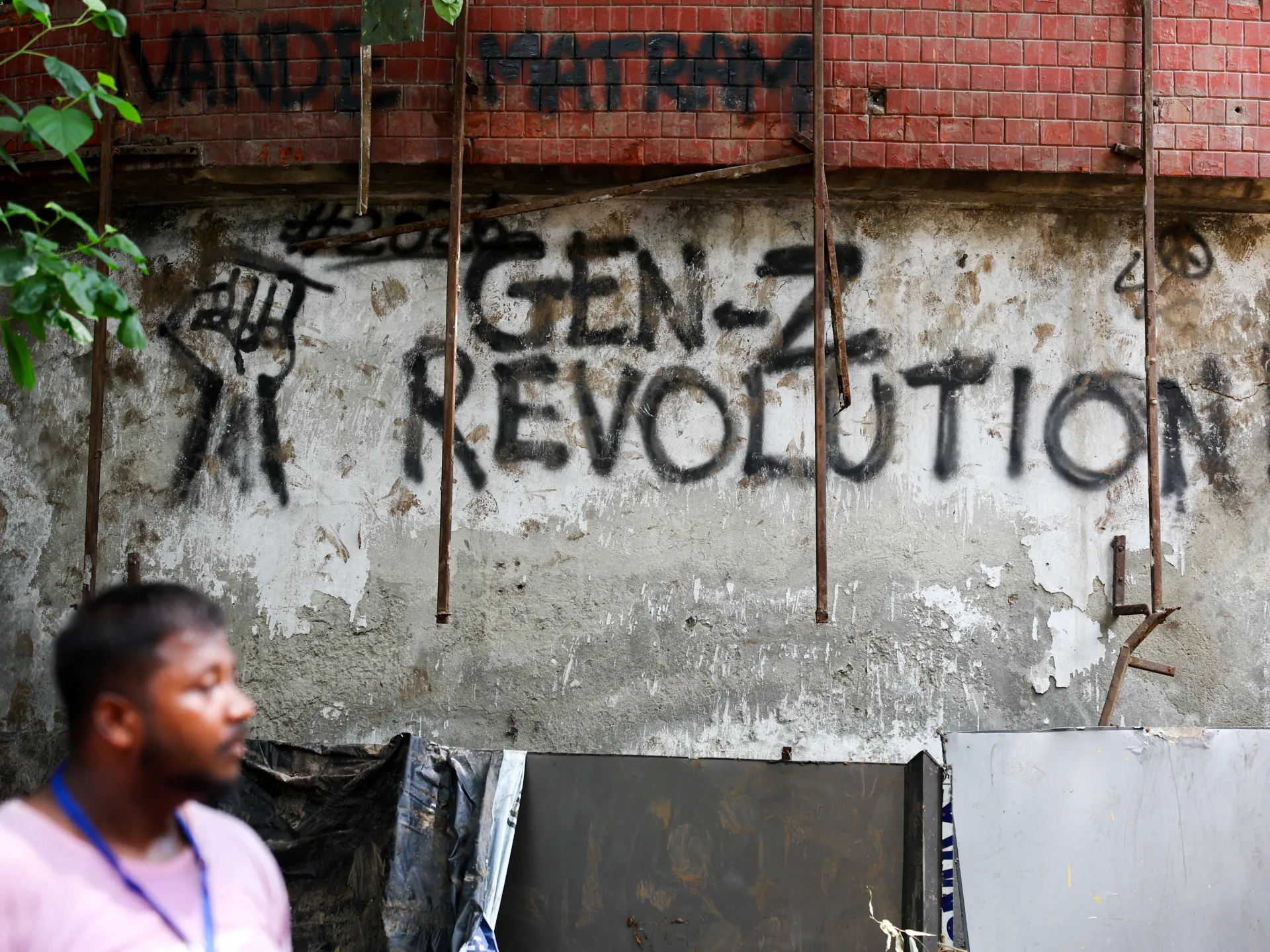
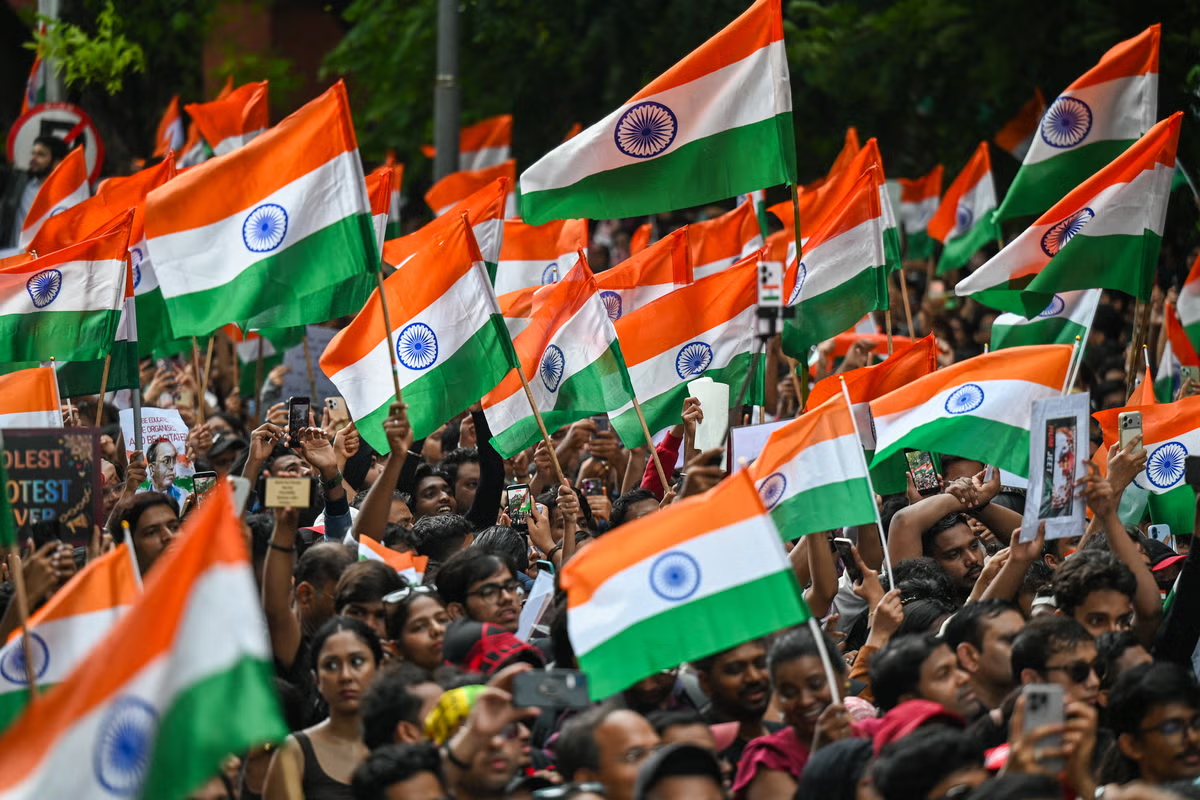
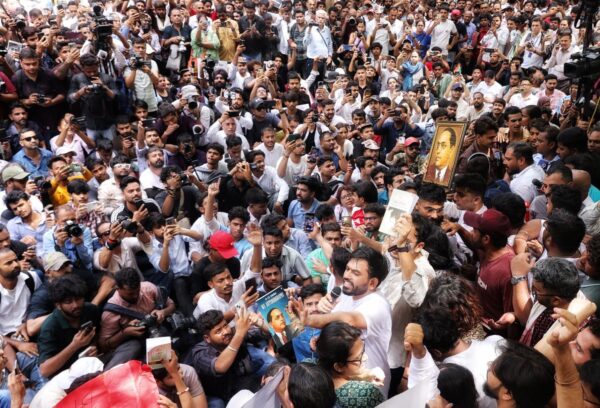
Midnight had fallen over Jantar Mantar in New Delhi. The chants had faded, protest banners folded away and thousands of demonstrators leaving the streets after weeks of occupying the area near India's Parliament. Against unexpected odds, they had won. The government accepted key education reform demands, and Education Minister Dharmendra Pradhan resigned. A movement born from a single insult dented Prime Minister Narendra Modi's carefully cultivated strongman image.
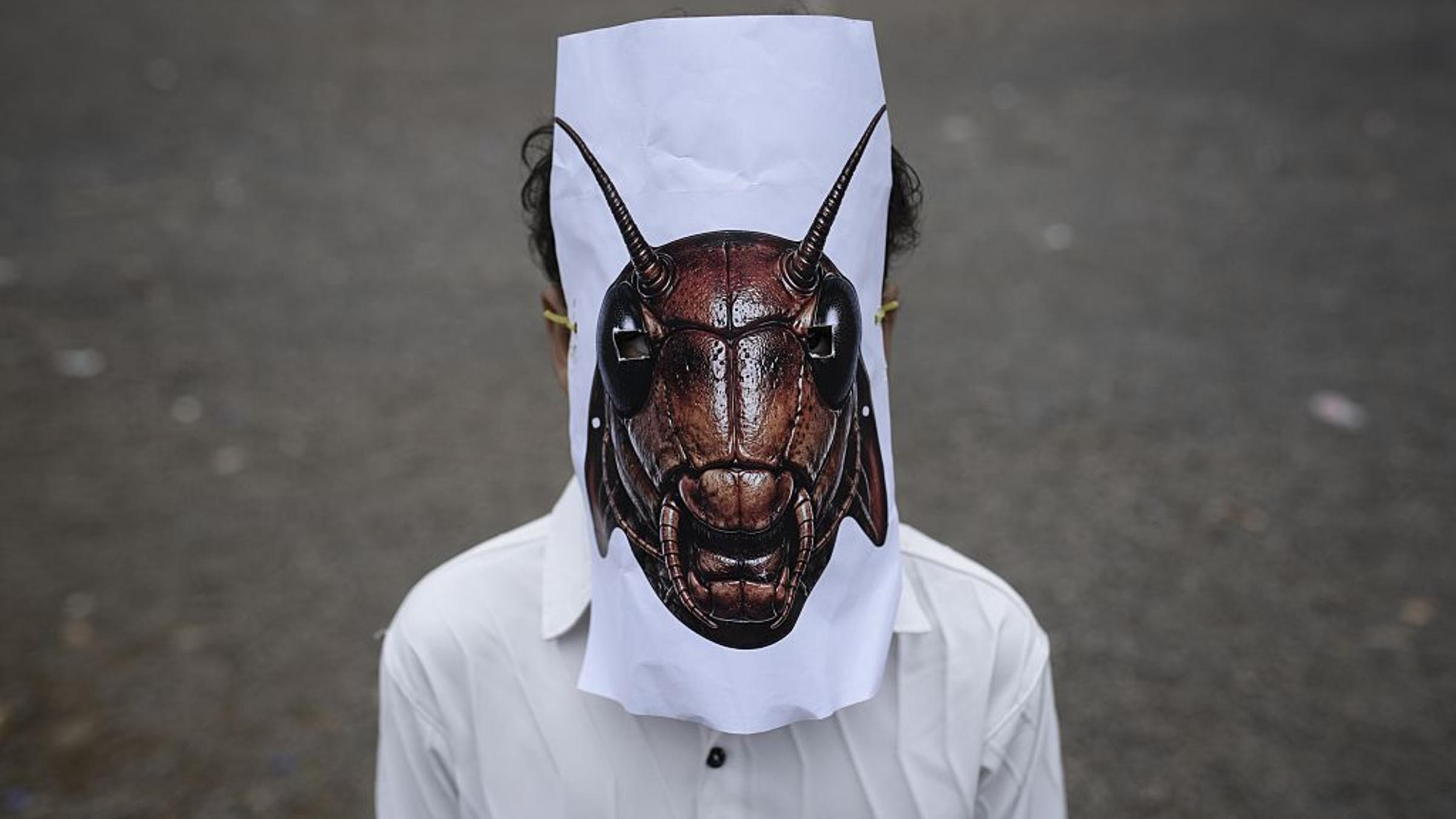
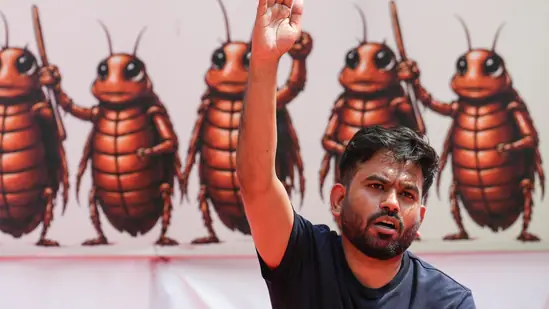
No serious group would willingly call themselves a cockroach. Yet India's Generation Z did exactly that, transforming a word meant to demean them into a potent political identity. The movement's founder, Abhijeet Dipke, sparked a national conversation with a simple question on X: "What if all cockroaches come together?"
His post was a direct response to remarks attributed to India's Chief Justice, who had casually described unemployed youth as "cockroaches." Rather than reject the insult, India's youth reclaimed it, transforming a term of contempt into a national rallying cry for dignity and systemic reform.
A leaked medical examination paper exposed structural frustrations that had been building for years: unemployment, repeated examination scandals, shrinking economic opportunities, and a growing distrust in public institutions.