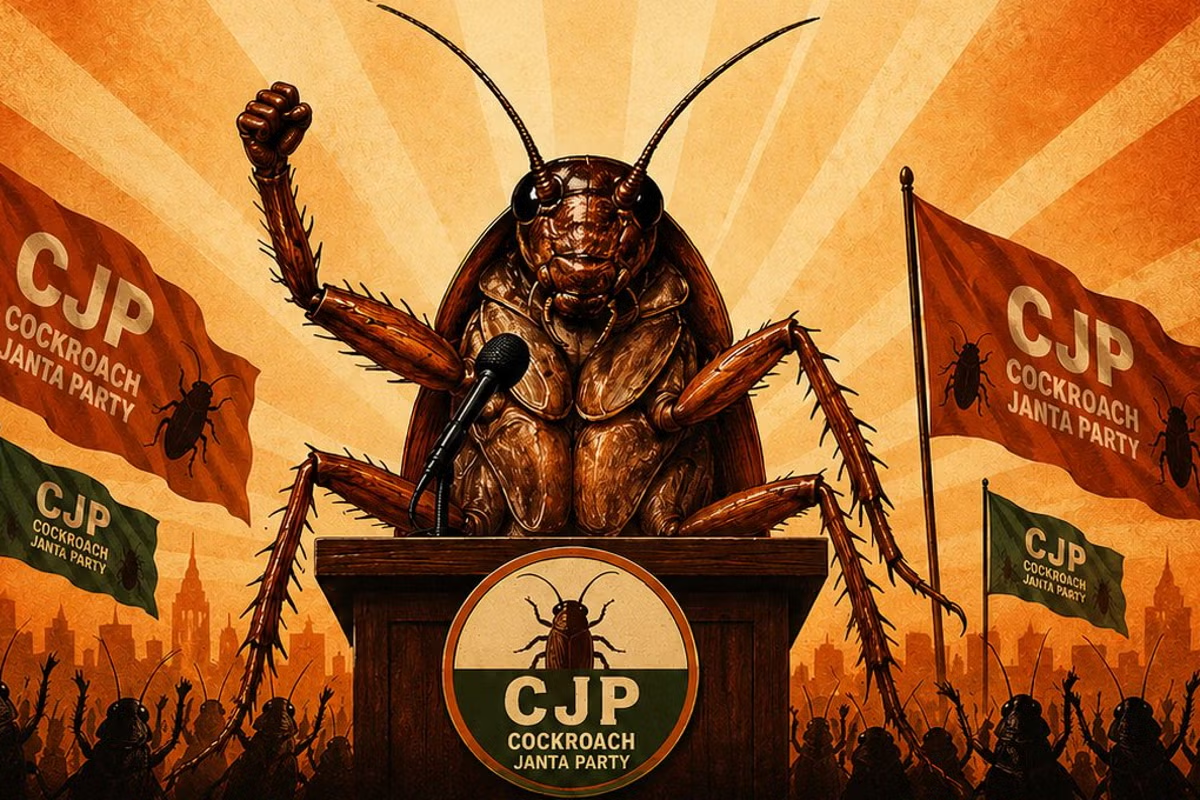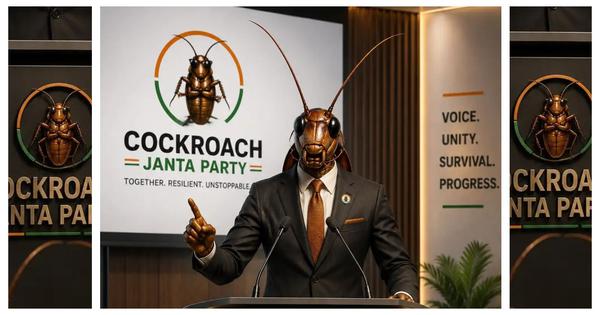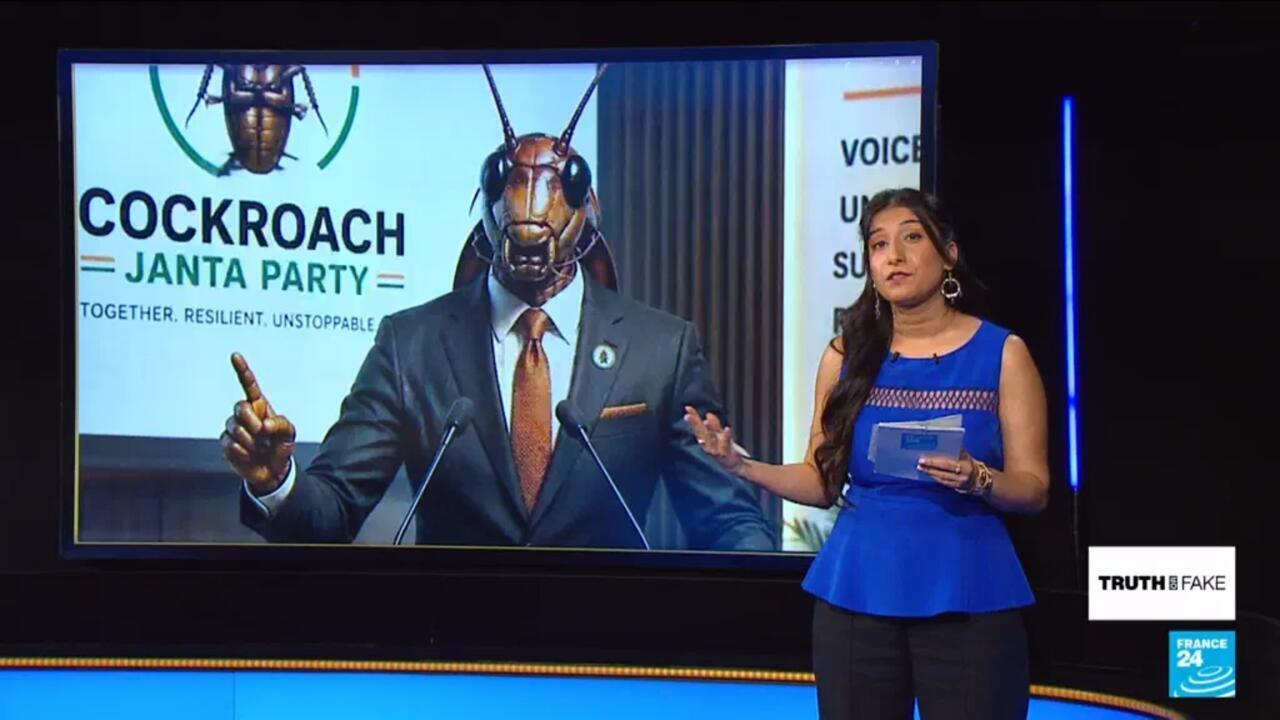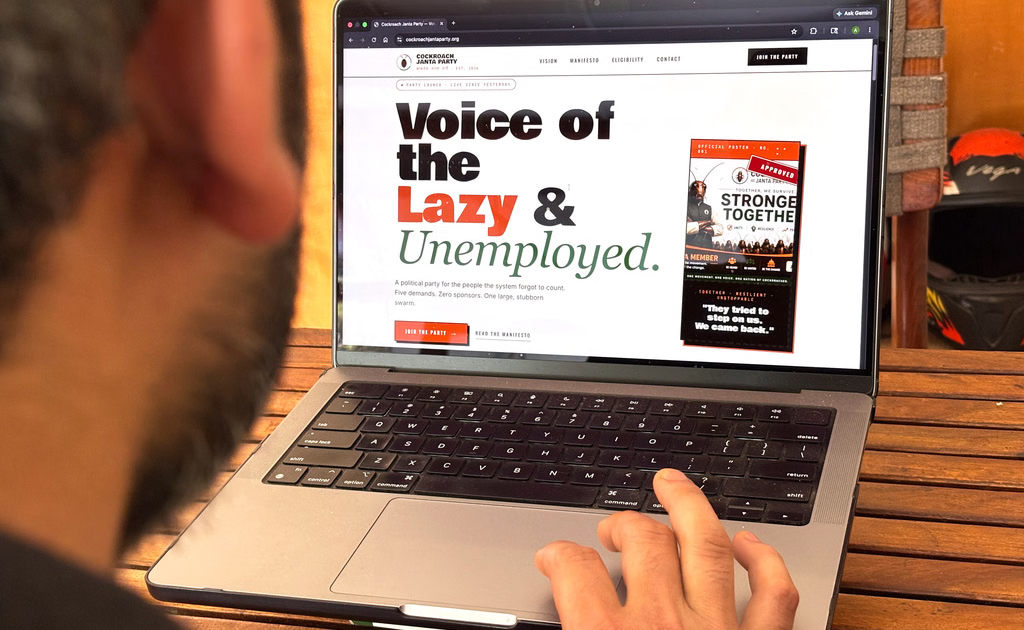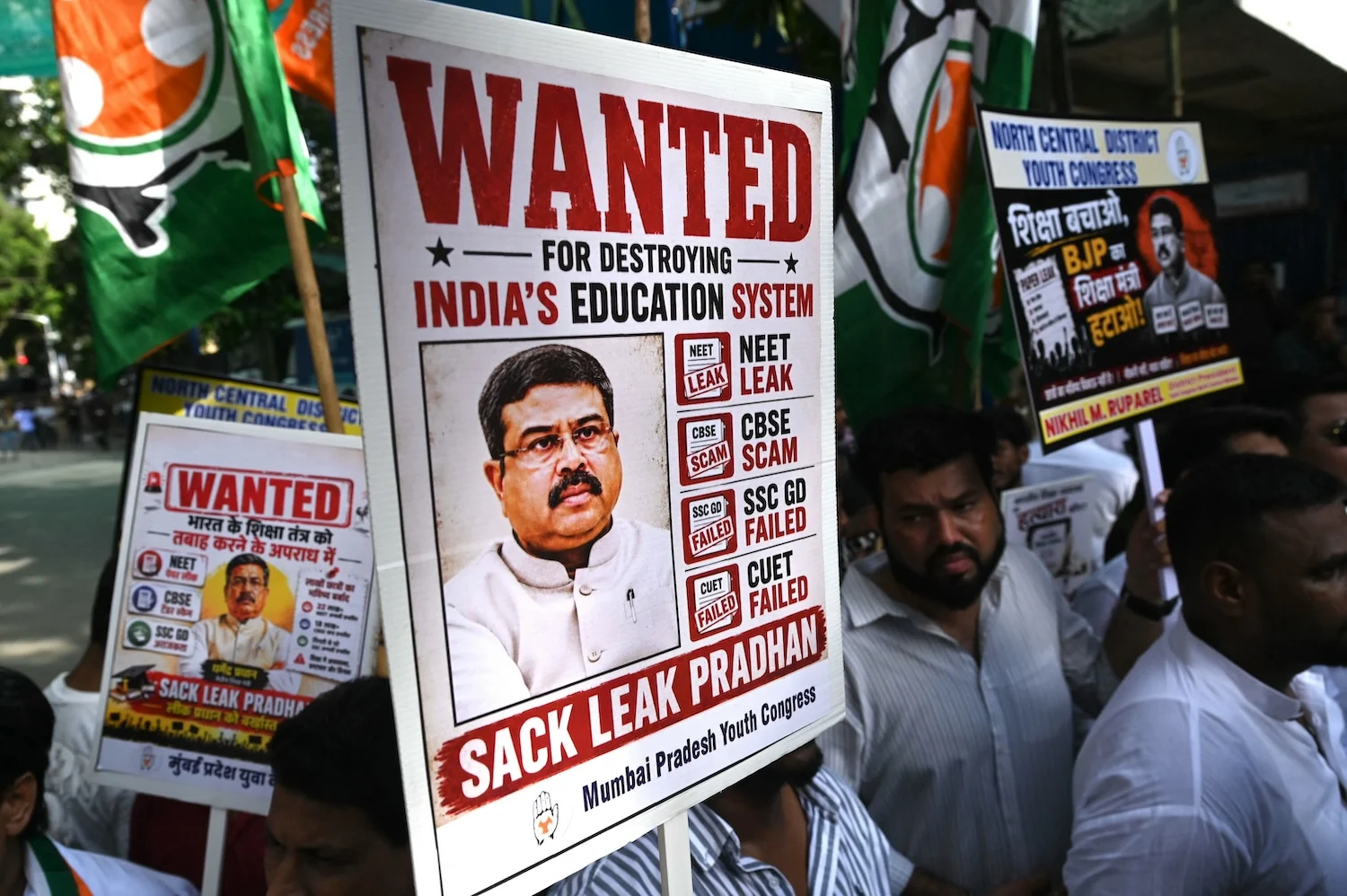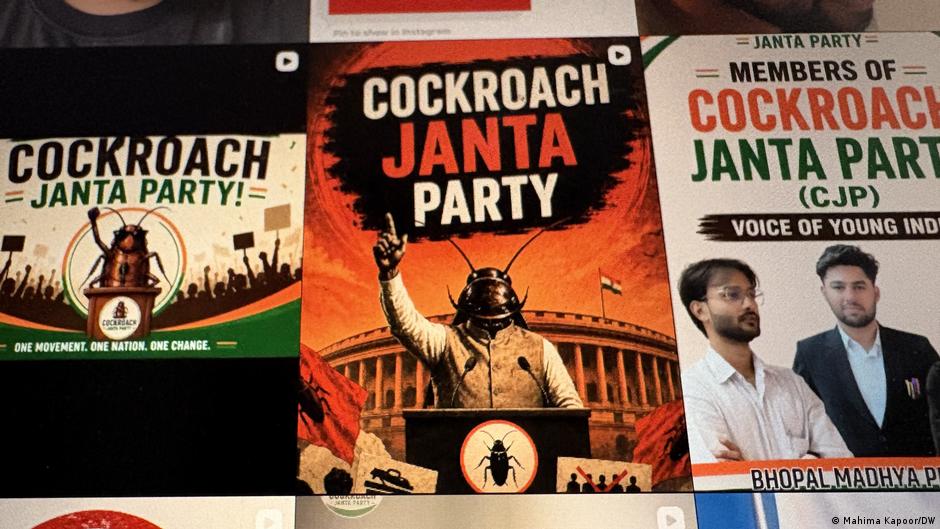
When Indian Supreme Court Justice Surya Kant compared certain unemployed youth and activists to cockroaches and parasites in May, he gave a generation searching for a shared identity the charge required to build one. Within days that slur became a rallying cry. Millions of young Indians declared “Main Bhi Cockroach” (‘I too am a cockroach’), turned the insult into memes, and launched a political party in the same breath.
Some framed this as Prime Minister Narendra Modi misreading the political environment – after all, his own government gave India’s marginalized and unemployed youth the spark they needed to organize. But that top-down classic political framing overlooks emerging leadership theories, the mechanics of peer-to-peer digital communication, and global trends already underway. Gen Z uprisings had toppled or shaken governments in Nepal, Bangladesh, Kenya, and Madagascar over the previous two years. And each one built from the same digital scaffolding comprised of user digital trace creation, reproduction, and platform scalability.
India’s administration either assumed it was immune from that global pattern or lacked the tools to recognize the trend at all. The failure, then, was its blindness to a new form of political organizing.