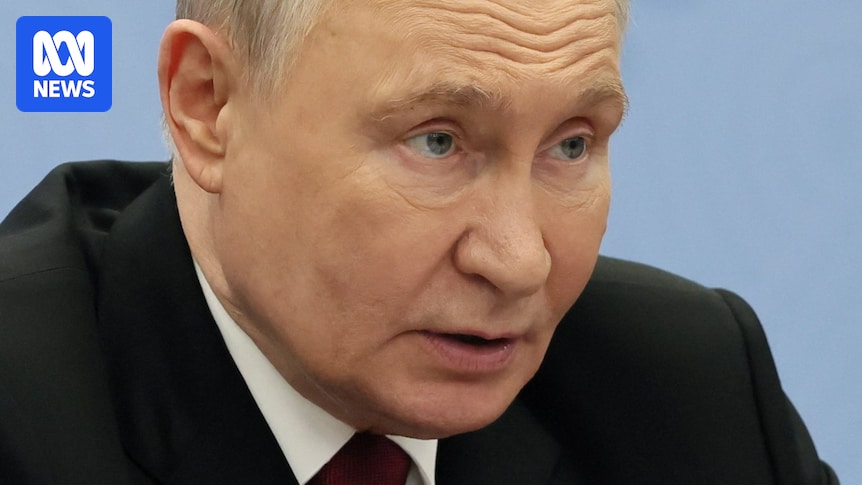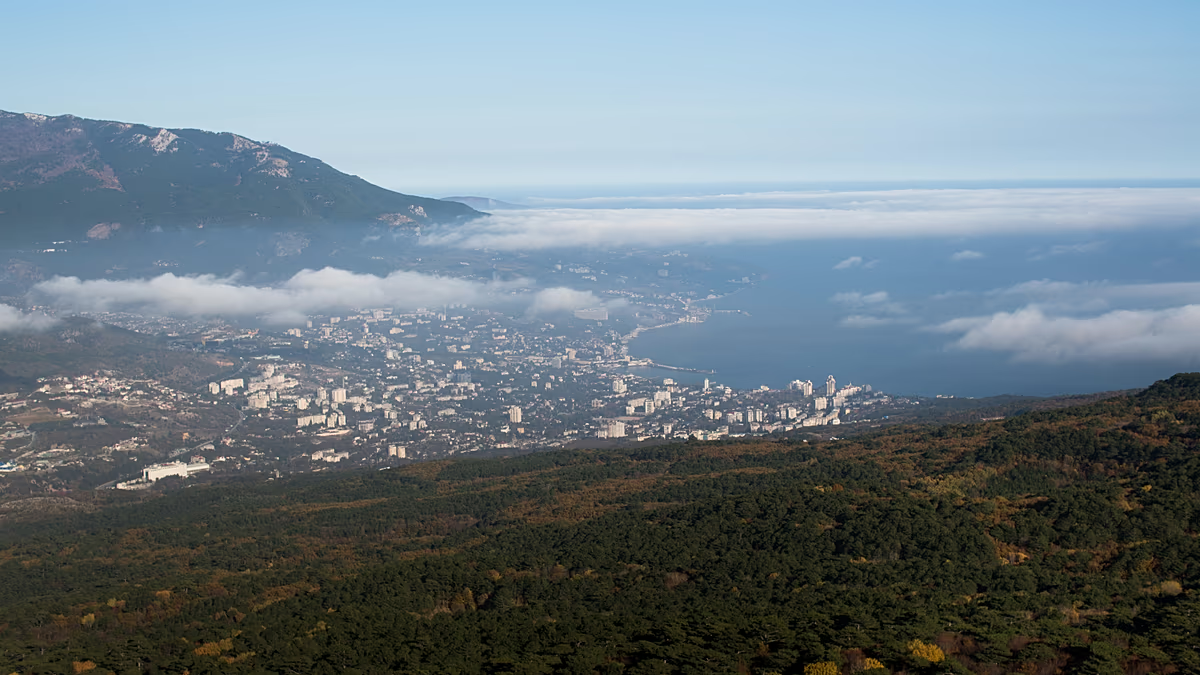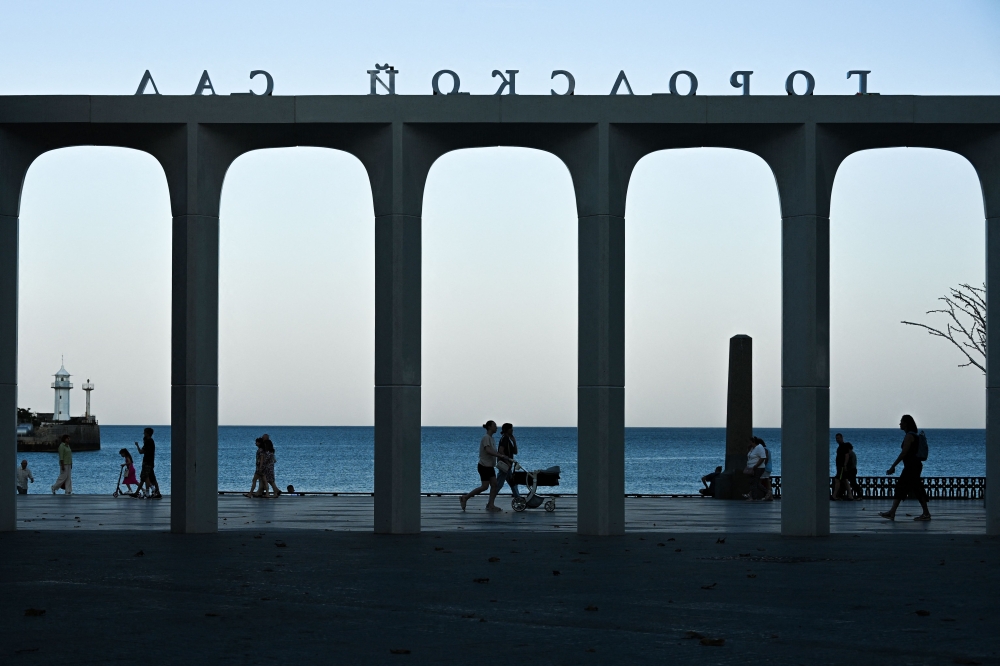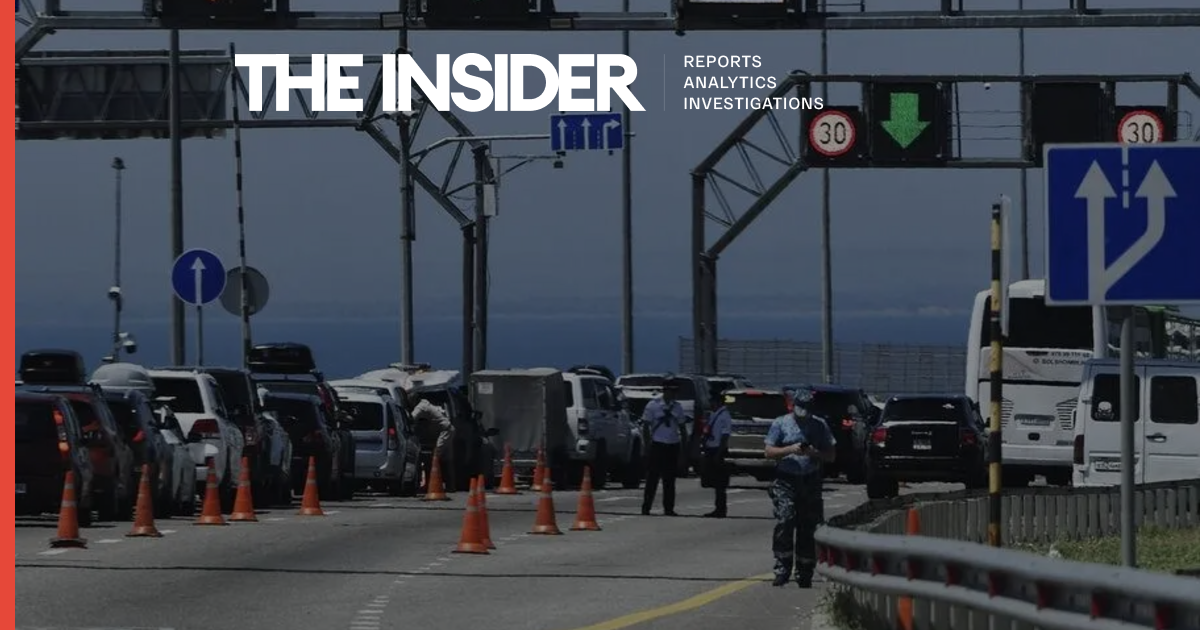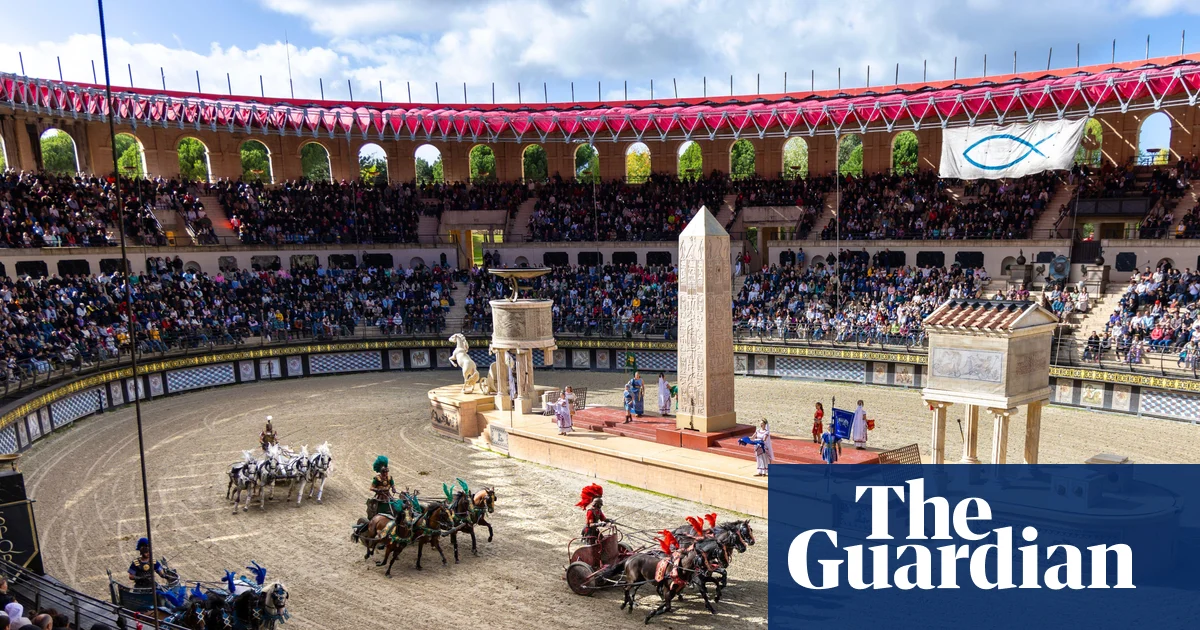
In February 2014, thousands of “little green men” – Russian soldiers in unmarked uniforms – flooded into Crimea, seizing control of military bases and infrastructure.Their arrival marked the opening salvo of Vladimir Putin’s annexation of the peninsula, an operation that ultimately escalated into the full-scale invasion of Ukraine.In the months that followed the Crimean incursion, Washington and Brussels imposed sanctions on a host of Putin allies for allegedly providing backing for the assault.Among them was Konstantin Malofeyev, a bushy-bearded media mogul, whose far-right ultranationalist ideology has seen him called the “Orthodox oligarch”.Amid a western backlash, one powerful French family took a contrarian approach, extending the hand of friendship to Moscow and to Malofeyev.Konstantin Malofeyev is the founder of pro-Kremlin television channel Tsargrad. Photograph: Kirill Kudryavtsev/AFP/Getty ImagesA month after EU sanctions against Malofeyev took effect, Philippe and Nicolas de Villiers, the father-and-son team behind a globally renowned theme park company Puy du Fou, travelled to Yalta, Crimea’s historic Black Sea resort.In the splendour of the Livadia Palace, where Joseph Stalin, Franklin D Roosevelt and Winston Churchill had once thrashed out the post-second world war order, De Villiers Sr and Putin discussed the French company’s plans for two new parks.The venues, one of them in newly occupied Ukrainian territory, were to be a partnership with Malofeyev, and would “highlight Russia’s history and the significance of Russia’s soul”.In the end, those grand plans never bore fruit. Puy du Fou now has its sights set on different horizons.Within days, it is expected to win planning approval for a £600m park in rural Oxfordshire, complete with re-enactments, mock medieval castles, themed villages, hotels and restaurants.Map showing the planned Puy du Fou UK theme parkBut even as the company prepares to dramatise more than 1,000 years of British history, new evidence raises questions about the firm’s depiction of its own past.Puy du Fou has previously played down its past flirtation with Russia and Malofeyev, claiming it began winding down the partnership once EU sanctions were imposed in July 2014.But new documents seen by the Guardian indicate that the relations continued for many months and may, according to experts, have tested the very limits of EU sanctions. They also raise questions about the family’s willingness to work with other autocratic regimes.The documents reveal:
From occupied Crimea to Oxfordshire: the Kremlin links to new £600m UK theme park
Exclusive: Puy du Fou worked with under-sanctions oligarch on plans for Crimea resort longer than disclosed, and later courted Iran and China
2,293 words~10 min read