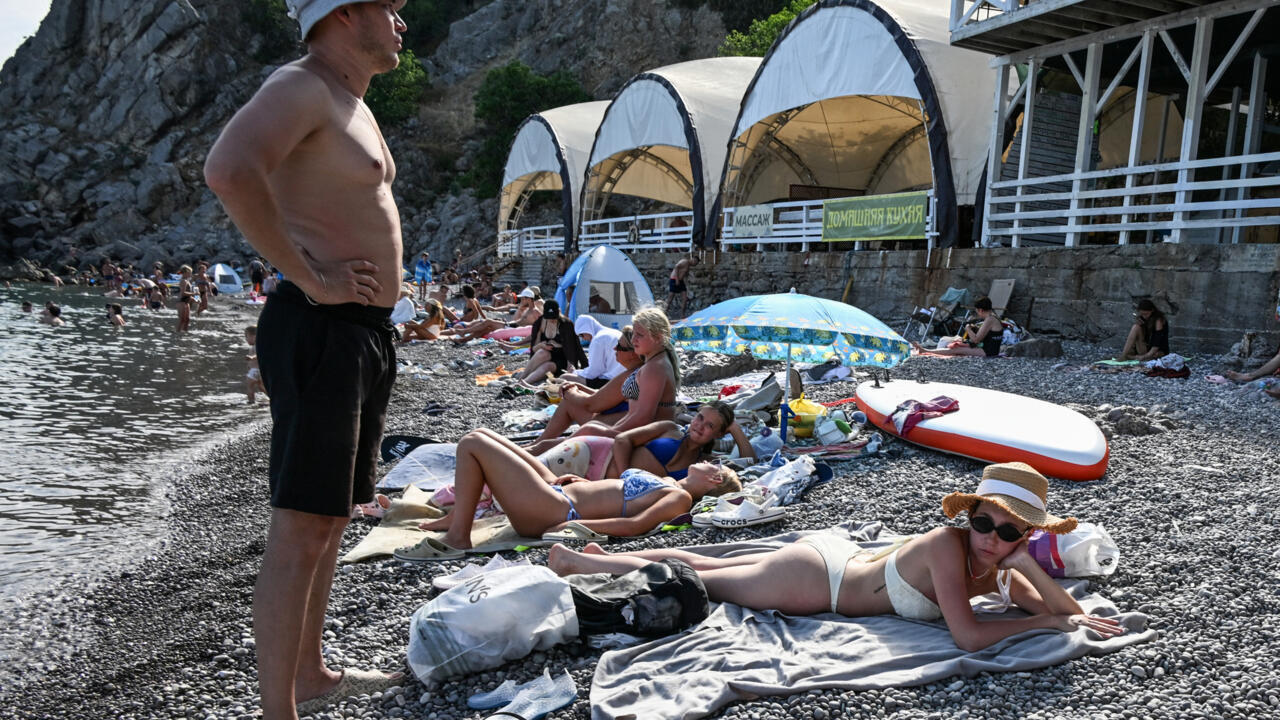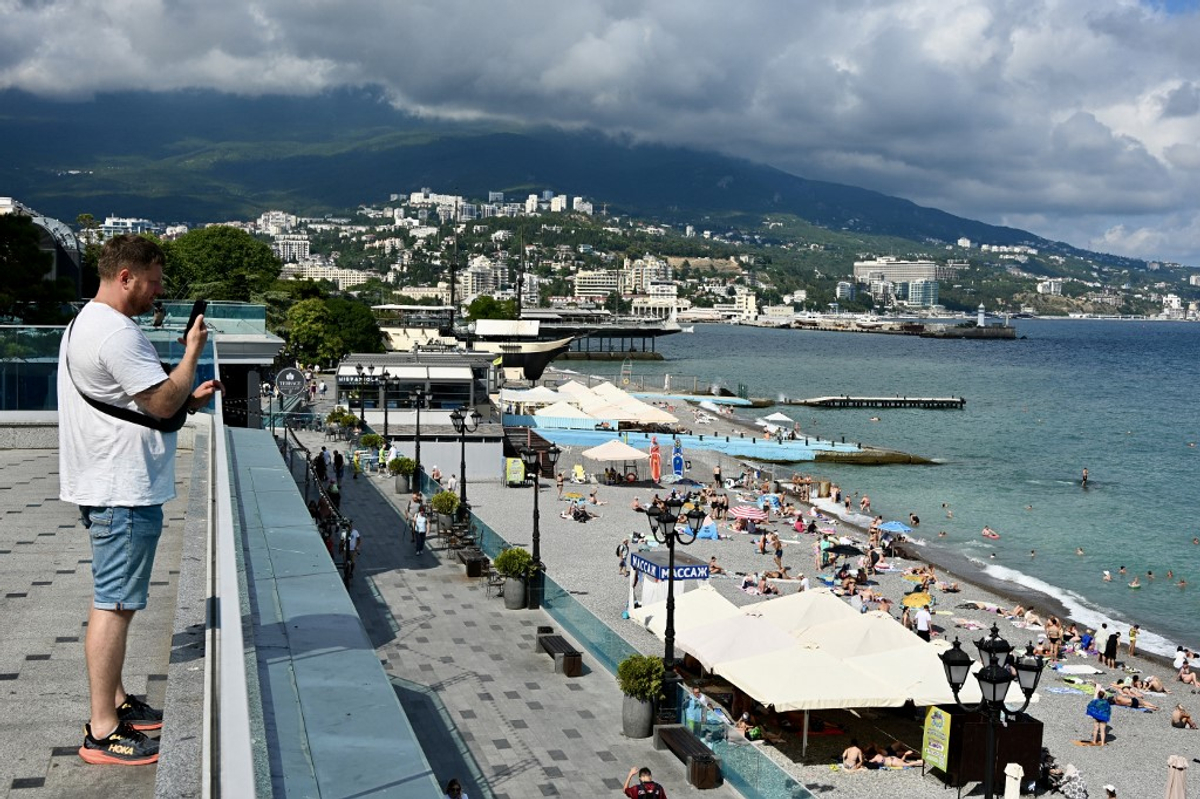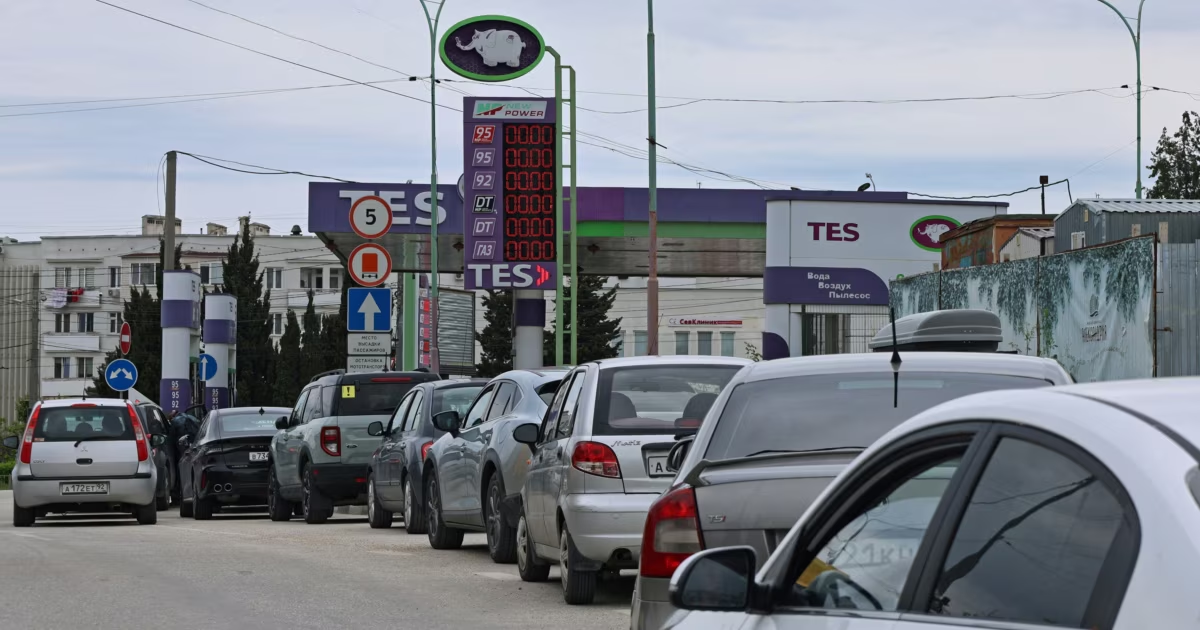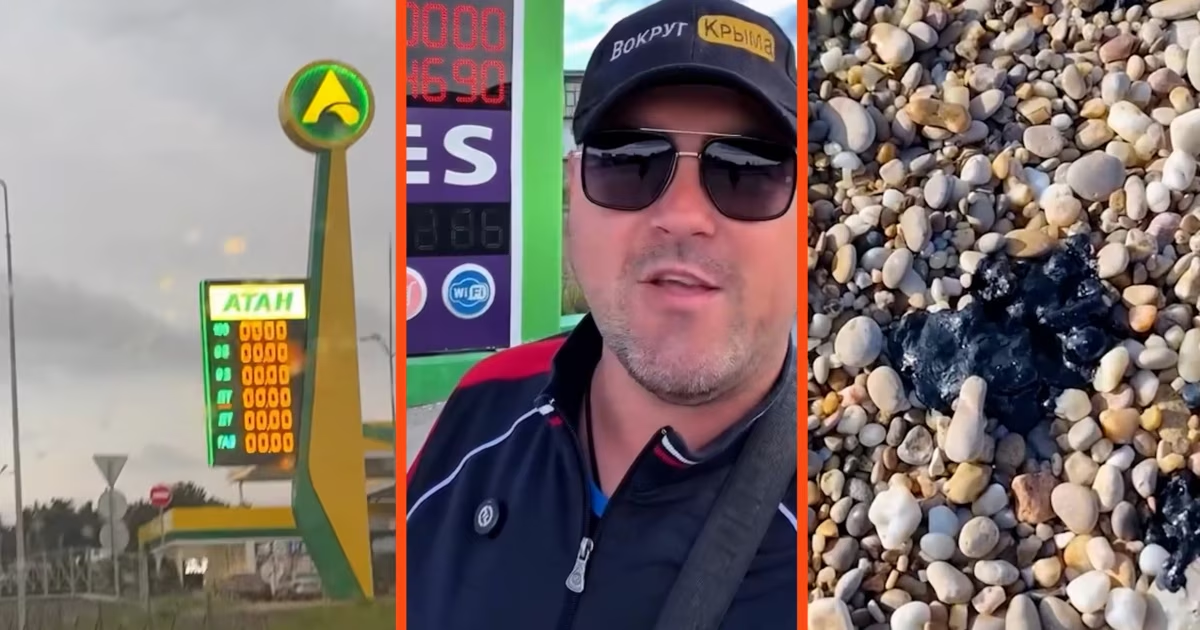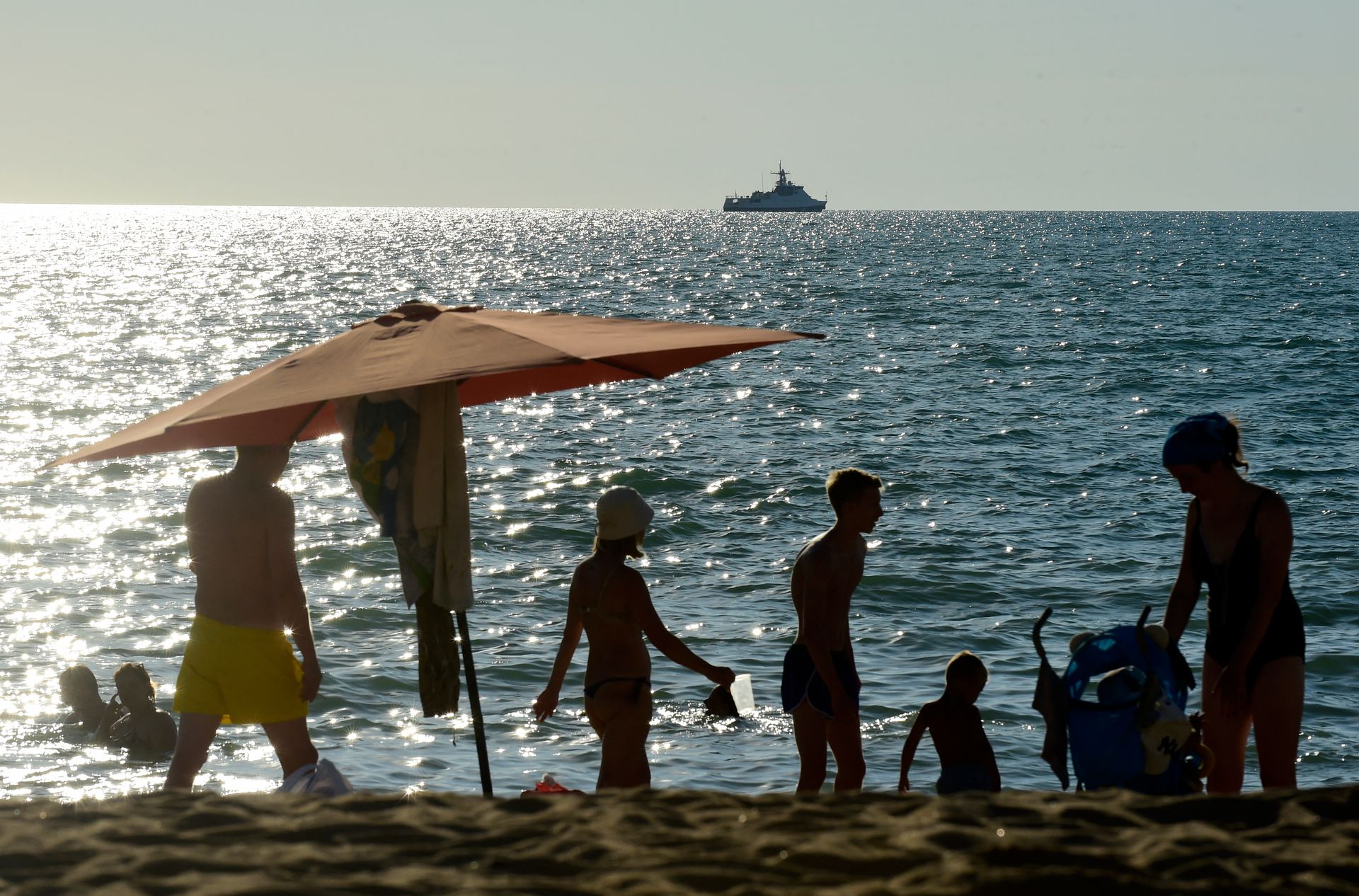
Residents of Crimea’s southern coast who are used to renting apartments to vacationers are pessimistic.“Come to Foros and you’ll see people on the beach,” said the owner of apartments once rented by the author. “You’ll also see people in the sanatorium park. But they are all from Sevastopol and from the villages of the Baydar Valley, people who don’t mind spending gasoline. There are no vacationers in the village. What are people doing? Drinking.”Local alcohol is another product, after cherries, that has not become more expensive this year. “There are stores where nothing but alcohol is left, and they still work,” The Insider’s source said. “Before the war, many people here had quit drinking. Now it’s the opposite. There’s no work.”On life support from the state budgetTourism and agriculture are usually seen as the main victims of Crimea’s blockade and shelling. But for the peninsula’s economy, the blow is not as severe as it may appear: Tourism accounts for just 5.8% of gross regional product, while agriculture accounts for 5.5%. Agriculture also absorbs more subsidies and investment than it generates in profit. In reality, the bulk of Crimea’s gross regional product comes from real estate transactions, trade, industry, and construction — sectors that are largely tied to the redistribution of budget money.Industry includes state power plants, power grids, and major enterprises that also passed to the Russian state after 2014. Construction is mostly state-funded infrastructure, government contracts, and work financed through the Housing and Utilities Reform Fund. Health care and education on the peninsula are largely state-run. Budget money from those sectors flows into trade and services, including tourism, since large sanatoriums host pensioners from mainland Russia in winter at state expense.Federal subsidies have been rising constantly since 2014. The independent outlet Verstka calculated that in 2014 Sevastopol received 19.5 billion rubles in free federal transfers and Crimea received 105.3 billion rubles. In 2024, those figures were 32.1 billion rubles and 130.6 billion rubles, respectively. Thanks to subsidies, Sevastopol’s budget in some years was comparable to that of Yekaterinburg (pop. 1.5 million) even though Sevastopol’s reported population of about 560,000 is considered by demographer Alexei Raksha to be greatly overstated.Occupied Crimea has barely traded with the outside world for 12 years, and its ports have stood idle. Integration into Russia suffocated many small businesses, as activities such as fishing, gathering wild plants, conducting tours, going out to sea by boat, and selling crops from household plots all became heavily regulated. As a result, the private sector in Crimea, as across Russia, has steadily shrunk, while the state-funded sector has grown. After annexation, the number of officials in Crimea doubled, and in Sevastopol it tripled.The private sector has been steadily shrinking under the weight of expanding regulation, while the public sector continues to grow
Crimea unplugged: The Russian-occupied peninsula’s businesses are buckling under blackouts, fuel shortages and a failed tourist season
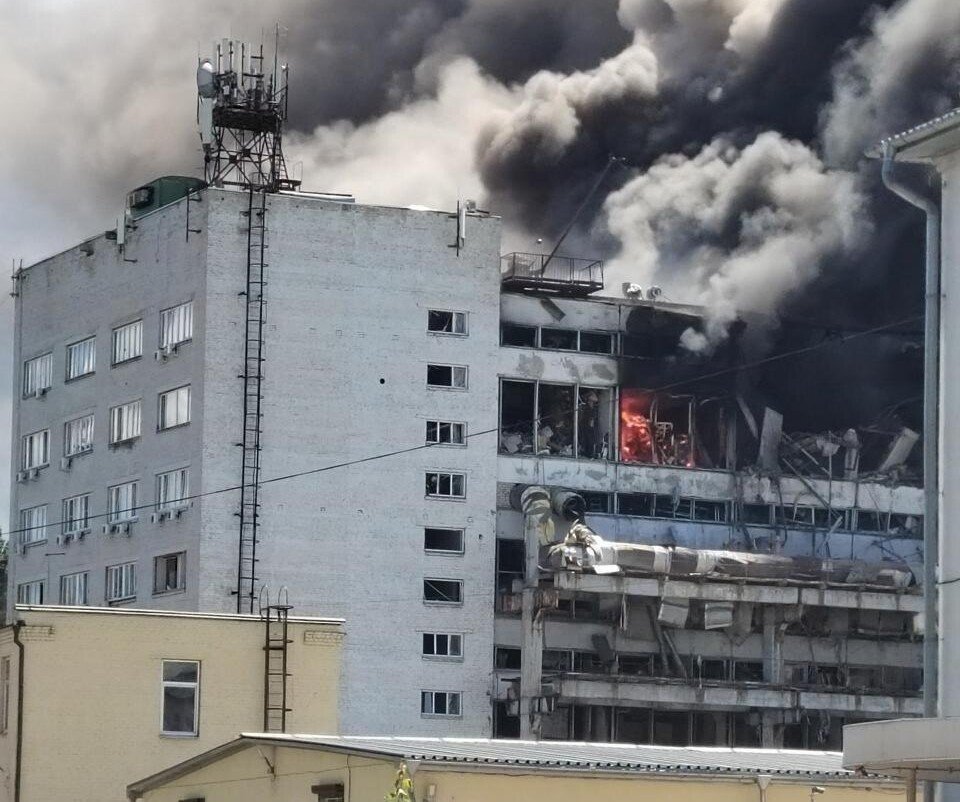
Shelling and blackouts have forced the shutdown of Crimean Titan, the Druzhba Narodov meat plant, and the Belogorsky greenhouse complex, Crimea’s biggest. In…
669 words~3 min read