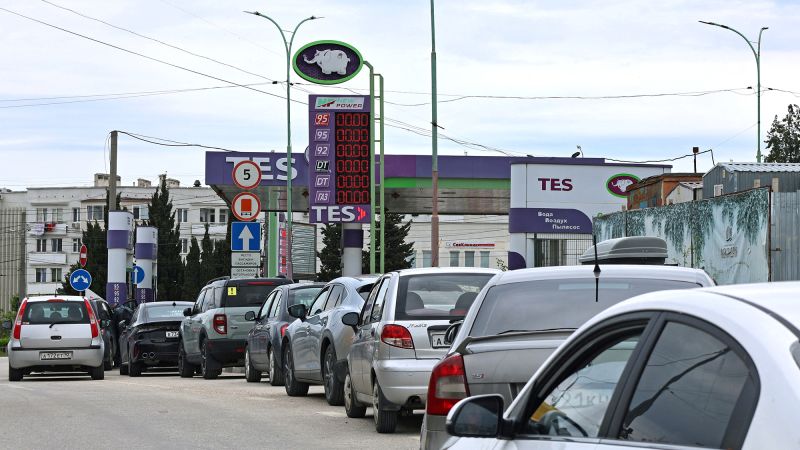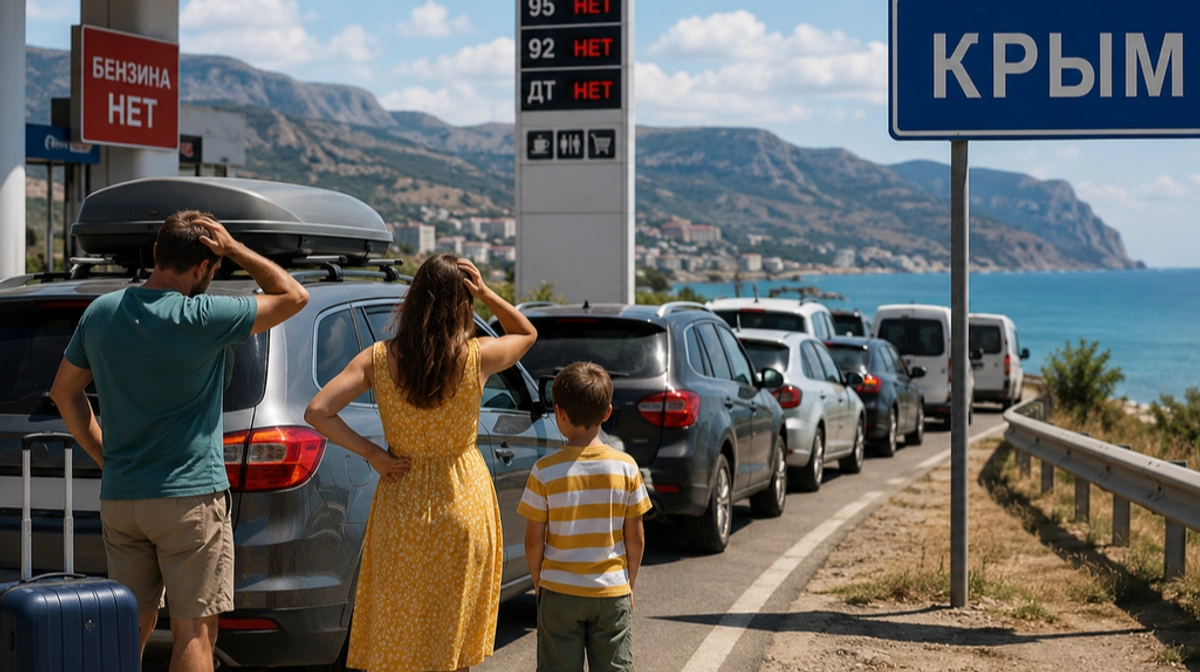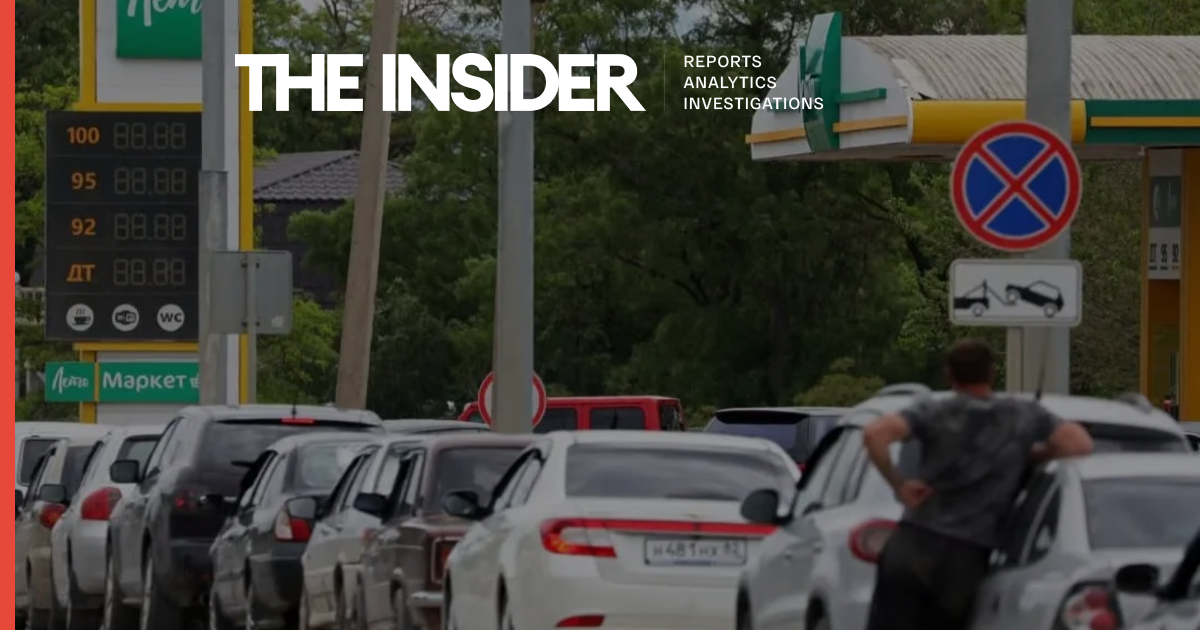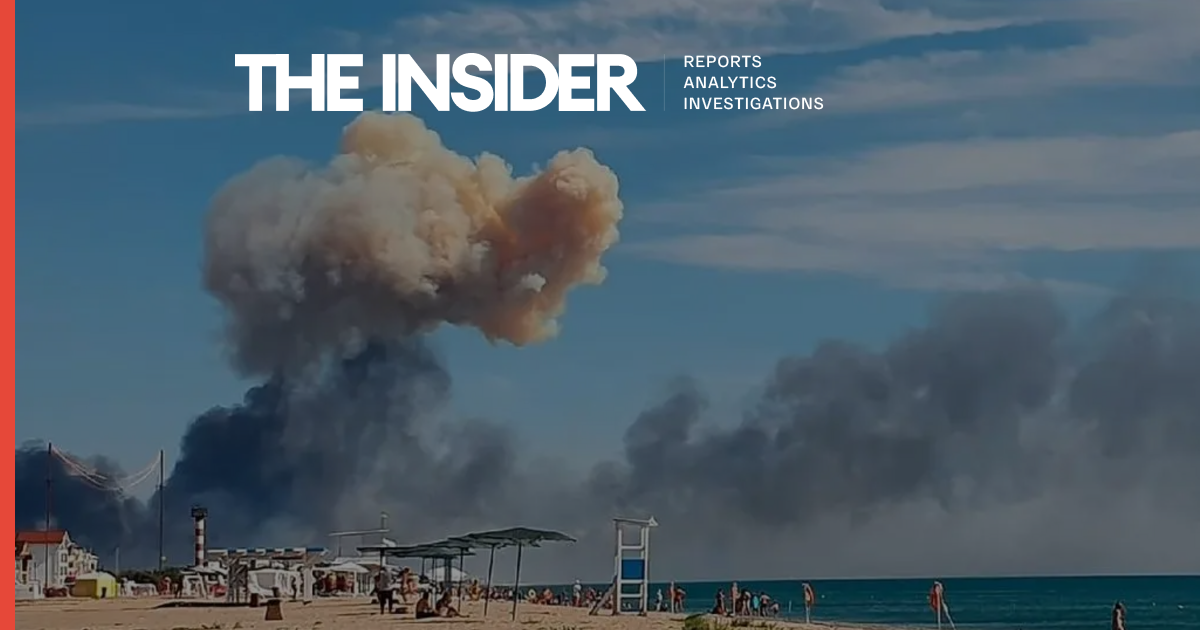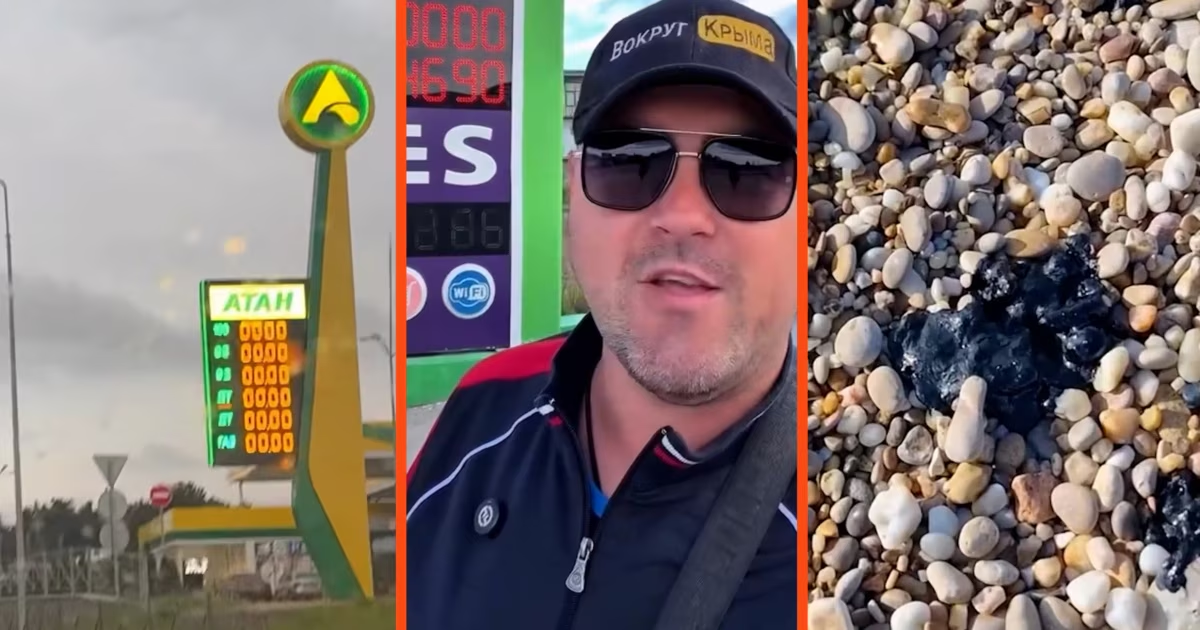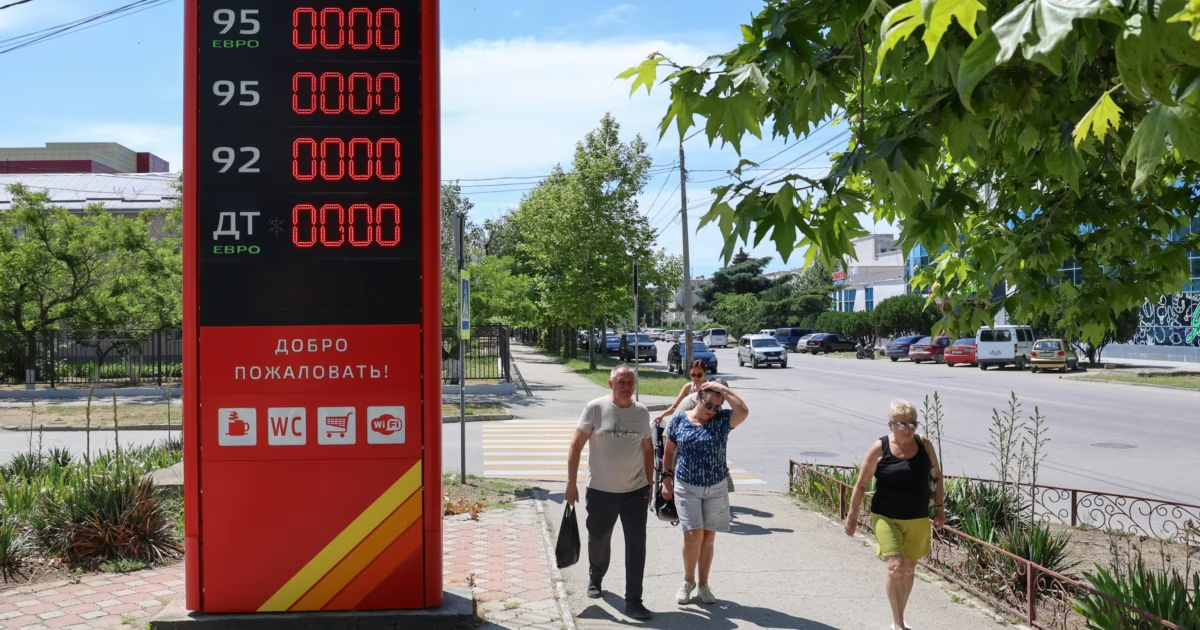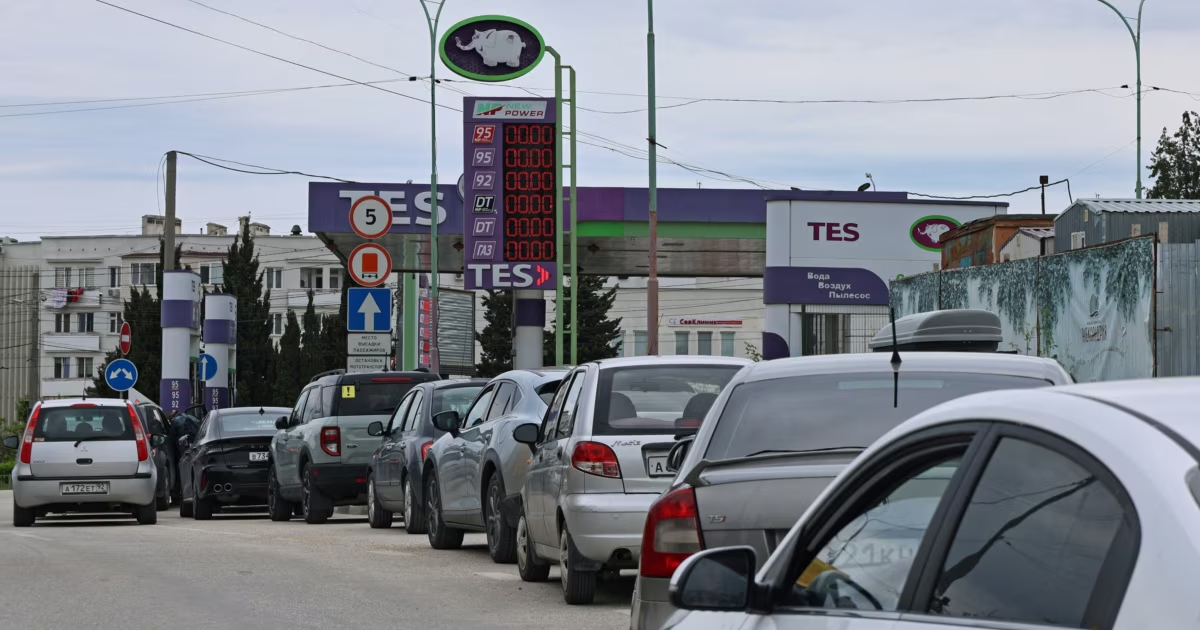
In a TikTok video, a Russian vacationer says she and her husband will have to stay in the Crimean resort city of Yalta indefinitely: They have only enough gas to drive 50 kilometers, and the closest filling station believed to have any is in Simferopol, about 80 kilometers away.On Instagram, cell-phone footage shot from a moving car shows one roadside gas station after another, most of them with no fuel at all for sale or with limited options such as diesel or LPG. Above an Edvard Munch-inspired scream emoji, wording on the screen reads: "There's no gas in Crimea."And in a video on Telegram, an actress from Sevastopol says she "waited for three hours, only to be told that there was no gasoline left for sale that day…. It's a nightmare."Since Russia seized control of Crimea 12 years ago, occupation authorities on the Ukrainian Black Sea peninsula have always had difficulty keeping the region adequately supplied with everything that its 2 million residents need.Water is a continual problem due to a welter of factors: the region's arid climate, Ukraine's efforts to choke off flows from the mainland, and mismanagement by the Russian officials in power on the peninsula.
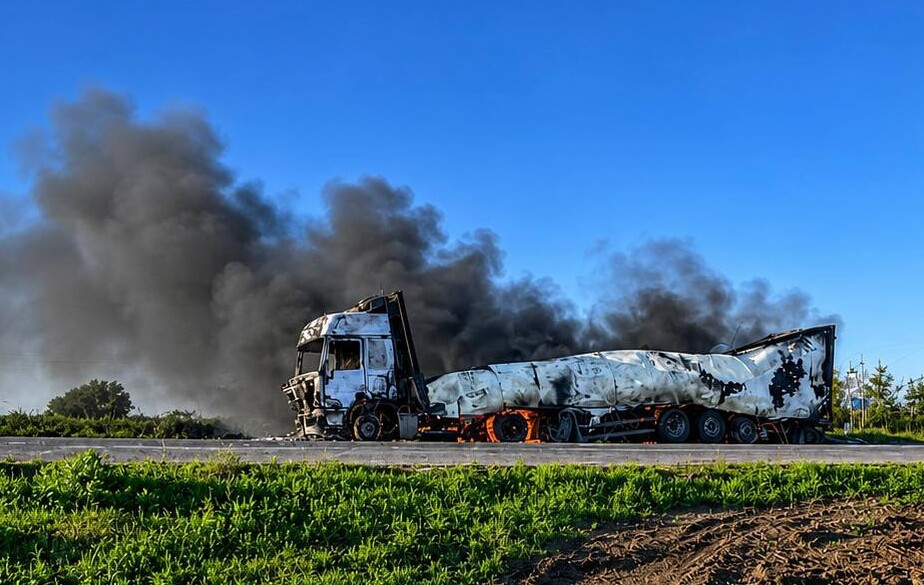
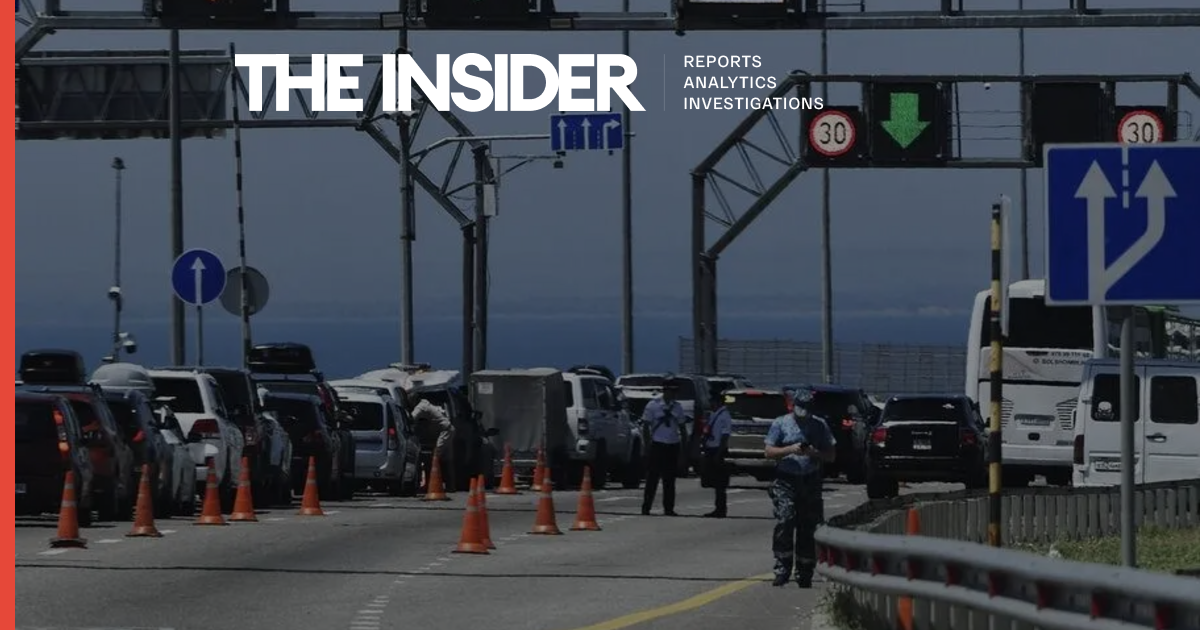
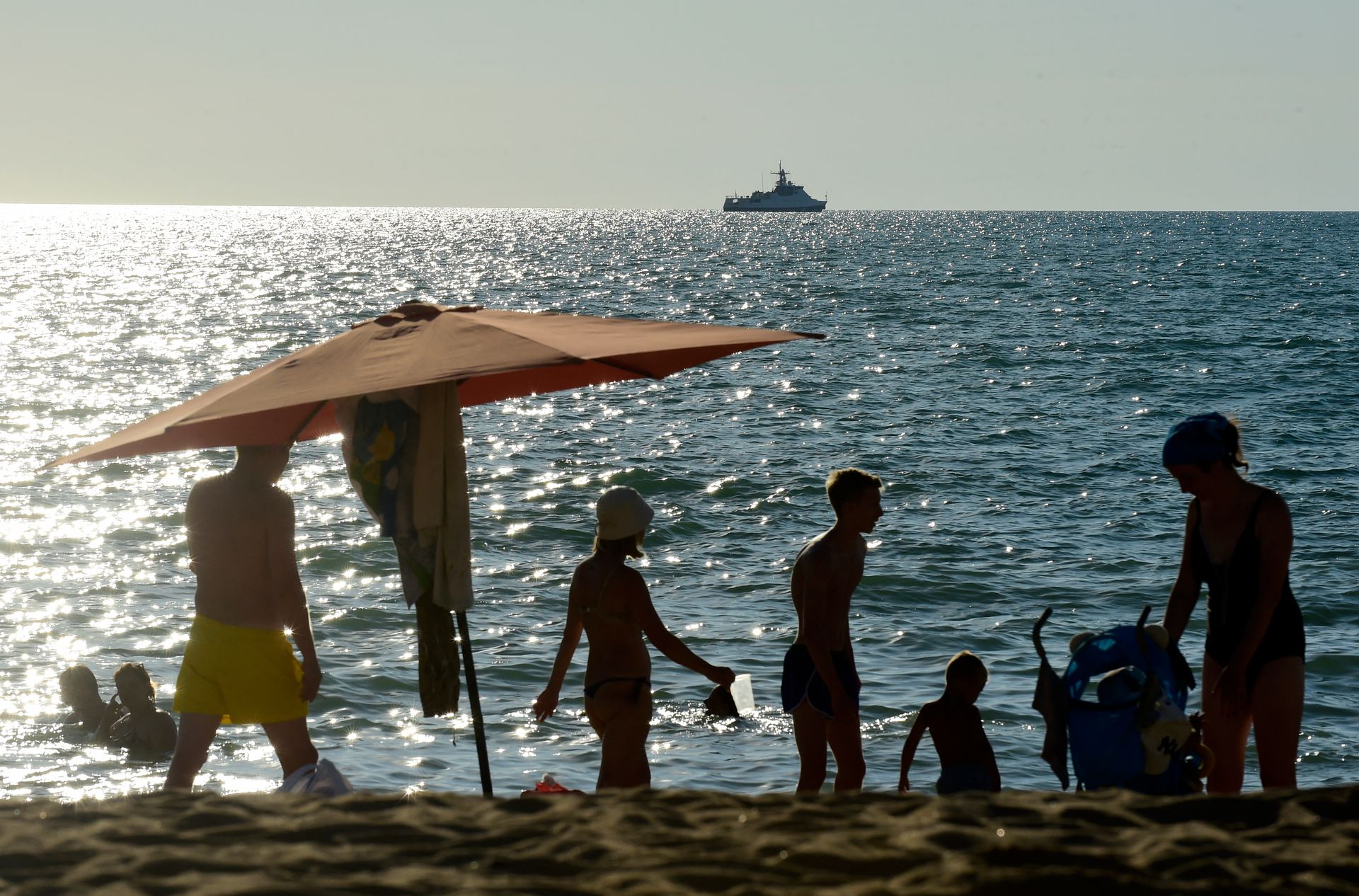
Food, commodities, and durable goods like appliances or industrial supplies are brought in by one of two routes: the 700-kilometer coastal road that leads from the Russian border across a "land corridor" of occupied territory to the isthmus connecting Crimea to the mainland or the Crimea Bridge, the multibillion-dollar, Russian-built span across the Kerch Strait that is the only direct connection between Russia and Crimea.This summer, more than four years into Russia's all-out war on Ukraine, things are different -- and particularly dire.For residents and vacationers alike, the gasoline shortage in Crimea is putting a major damper on the holiday season, when tens of thousands of Russians normally travel great distances to enjoy the legendary beaches and calm waters of the peninsula Russia occupied and claimed to annex in 2014.Thanks to Ukraine's plucky, burgeoning homegrown drone industry, Kyiv's military has threatened the coastal road -- even hitting fuel tanker trailers -- reducing that traffic to a relative trickle and forcing trucks to take the longer route south and west around the Sea of Azov.