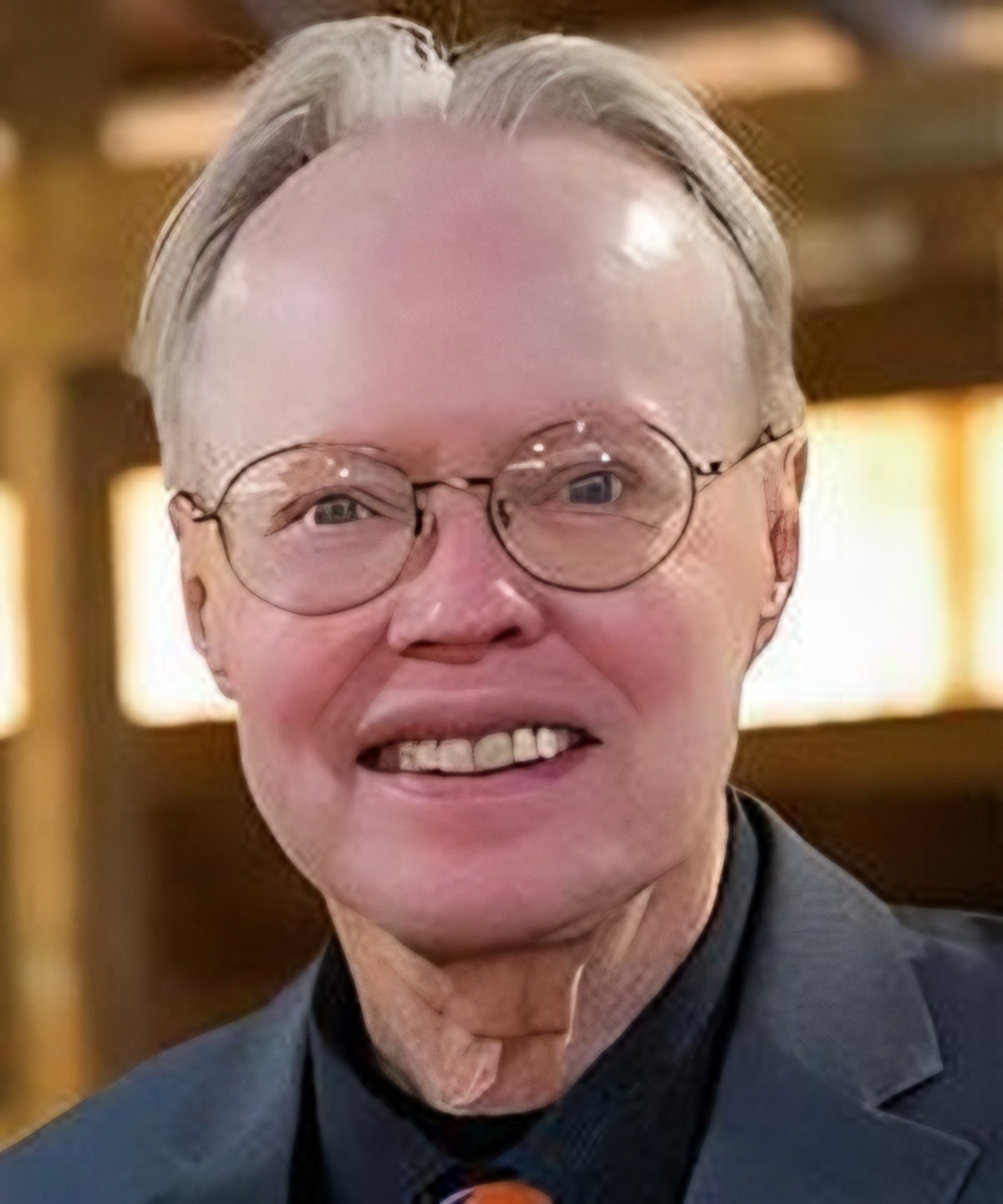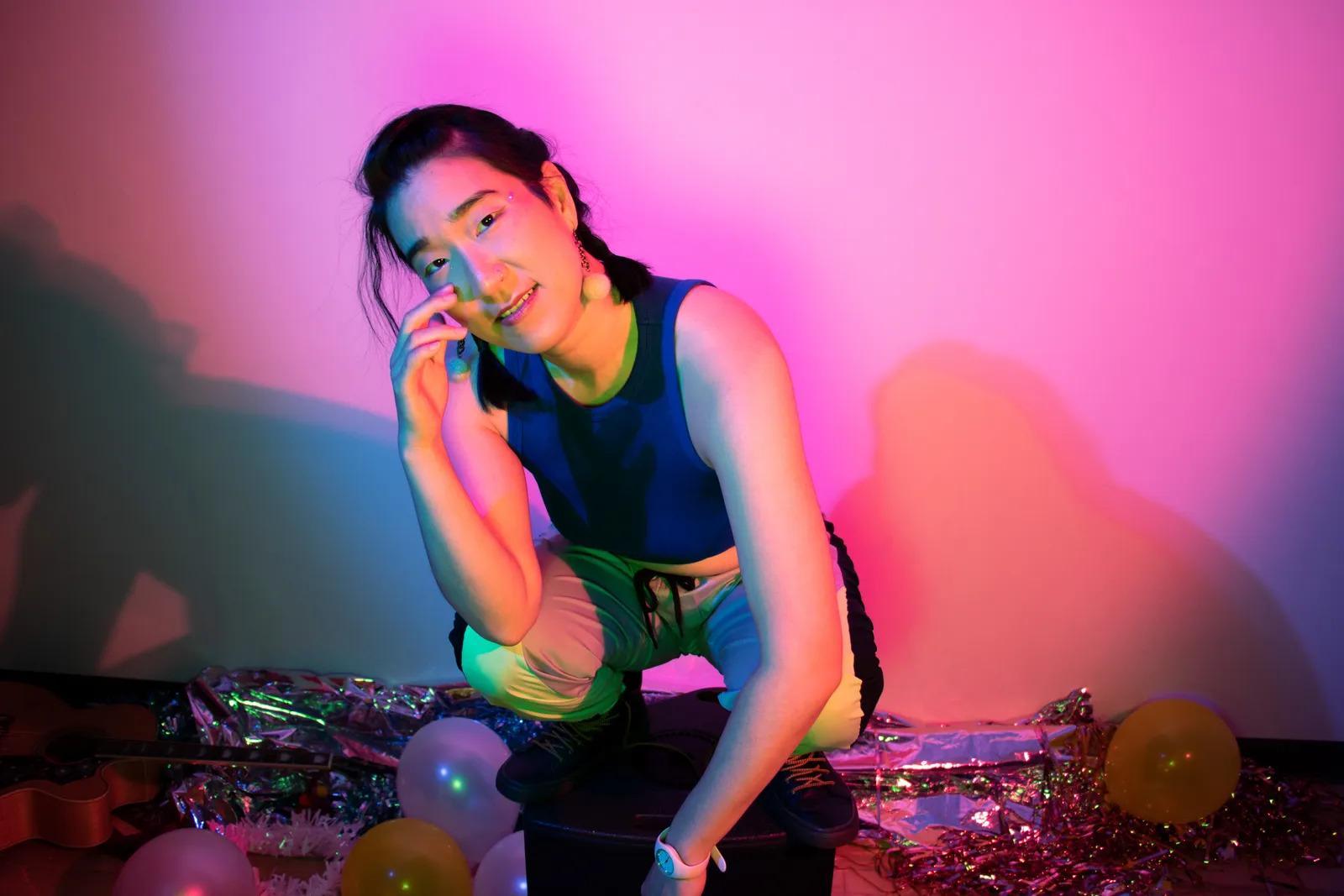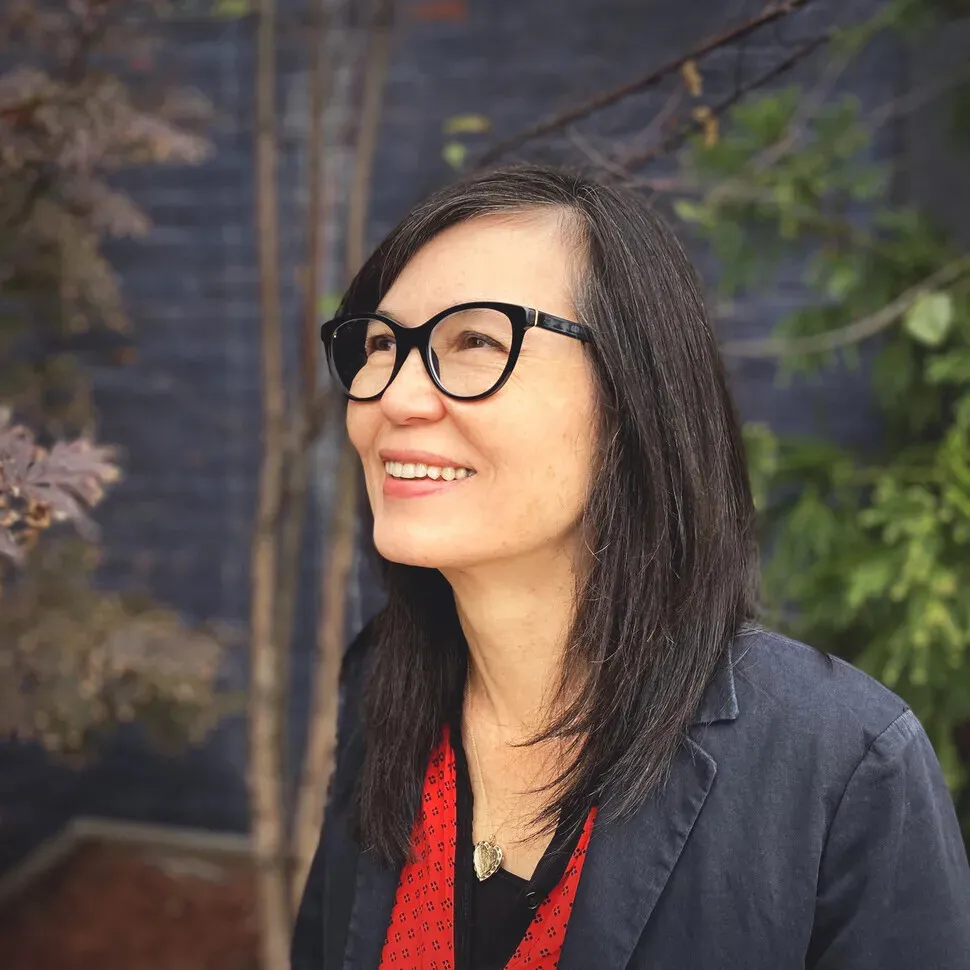
Grace M. Cho is a professor of sociology and anthropology at the College of Staten Island. Her book “Haunting the Korean Diaspora: Shame, Secrecy, and the Forgotten War” was recently published in its Korean edition. (courtesy Dongnyok Publishers)
“Growing up in the US meant that I lost my birth country and language, and translating my work into Korean was a symbolic way of getting them back.”Grace M. Cho’s books are a reckoning with her own history and that of her family after being forced to leave her mother’s homeland of Korea. They go beyond simple personal histories or memoirs, locating and documenting the suffering and trauma that have been left out of the historical record. “Haunting the Korean Diaspora: Shame, Secrecy, and the Forgotten War” is the second and latest work by the author and professor of sociology and anthropology at the College of Staten Island to be published in Korean translation. Based on Cho’s doctoral dissertation, the book blends stranger-than-fiction historical records and verisimilar falsehoods, testimonies of the living and the murmurs of ghosts about the Korean War and the women who worked as sex workers for US servicemen. The book was awarded the American Sociological Association’s Asia and Asian American Section Book Award. The Korean edition was translated by Seong Won and published by Dongnyok Publishers. Her other book, “Taste Like War,” was selected as one of Time’s Top 100 books of the year in 2021. “Official histories are always written to favor those in power,” the author said in an interview with the Hankyoreh conducted over email to mark the release of the Korean edition of “Haunting the Korean Diaspora.” “So the goal of all my work is to locate and amplify the voices left out of those histories.” Cho endeavors to recover in granular detail voices that have been lost to history and the stories of the “gijichon” or “camptown” women and the civilian massacres of the Korean War era. “I recently learned the motto of South Korea’s first bereaved families association, ‘Souls without graves we will cry for you for a thousand years. Mountains and rivers condemn, and blue stars attest.’ I think this is such a powerful assertion of the truth, Cho said.Cho was born in 1971. Her father was a white American who had arrived in Korea as a merchant mariner, and her mother was a Korean woman who had worked in a camptown frequented by US servicemen. She later moved to the US before attending Brown University and going on to receive her Master of Education at Harvard and her doctorate in sociology and women’s studies at the City University of New York. But before becoming a celebrated academic and writer, her immigrant child upbringing meant that she never quite felt accepted as “American.” Then, at the age of 23, she learned the term “yanggongju” — the figure of the Korean women known as “Western princesses,” who sold sex to American military members — and her own mother’s history in a camptown. “It completely shattered my identity,” she said of the revelation. Her efforts to connect the dots of her own family history alongside the history of Korea by uncovering the language of ghosts that went unheard and acknowledging the silences that had been coerced were “a way of trying to repair my psyche,” she said. “I was faced with all the lies about my family and about the US. It was always hard for me as an immigrant child growing up in a small town to feel integrated into American society, and the revelation about my mother’s past, which was also a revelation about my own origins in US imperialism, ruptured any possibility of an uncomplicated American identity,” Cho told the Hankyoreh.