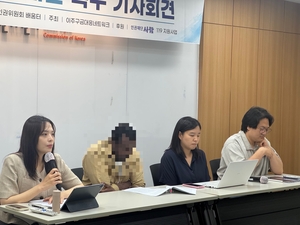
Kim Chung-sik, a Korean immigrant to the US who was released from Californian ICE detention facilities in May, speaks to the Hankyoreh over a video call. He has been granted a pseudonym for the sake of his anonymity.
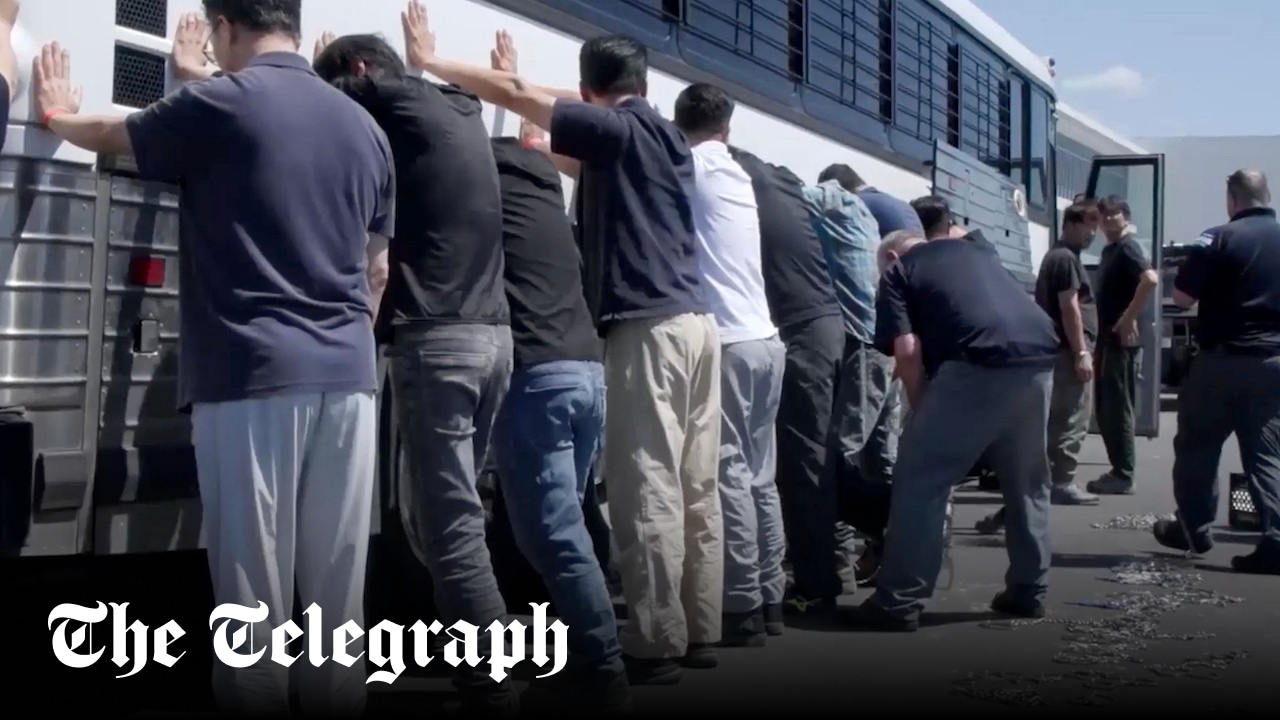
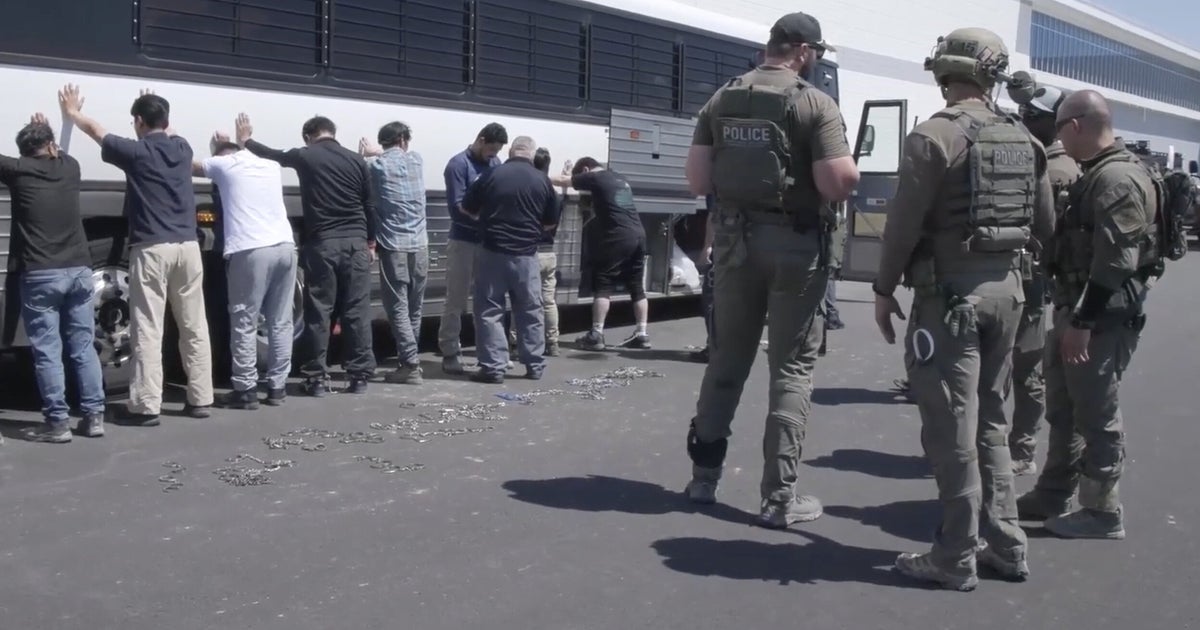
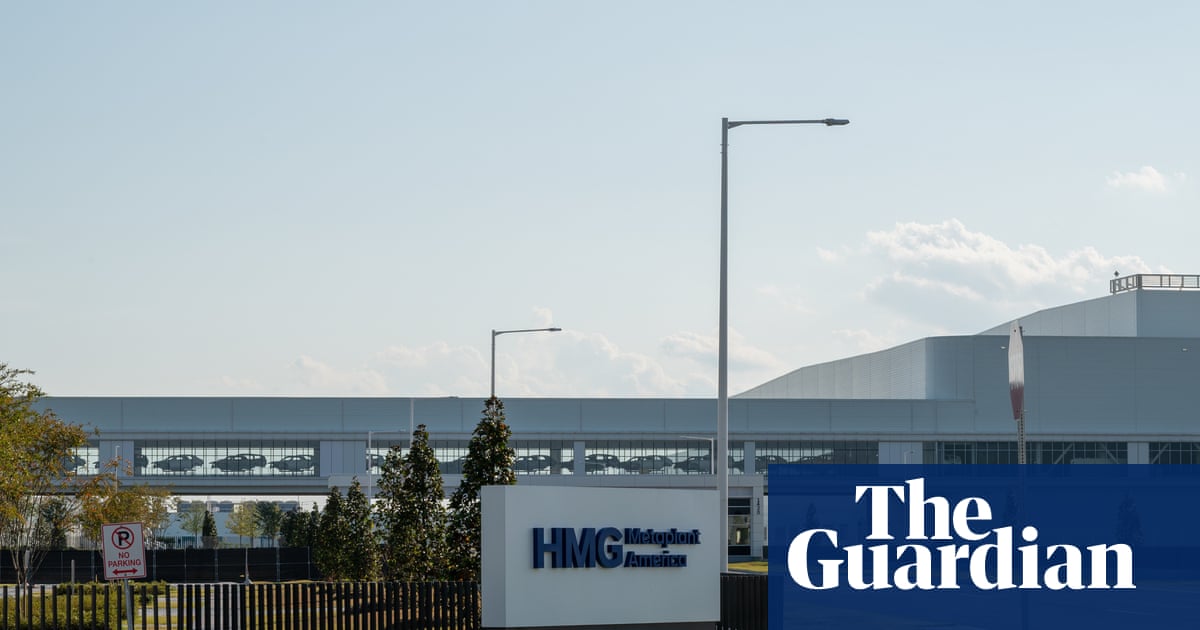
Editor’s note: As of mid-July, 22 people have died in America’s Immigration and Customs Enforcement (ICE) detention facilities this year, putting the agency on pace for a record-breaking annual death toll. These individuals had come to the US in pursuit of the American Dream, but were awaiting deportation after being unable to meet legal residency requirements. The number of detainees has risen precipitously under the Trump administration’s draconian immigration policies, and Koreans are far from safe. The Hankyoreh presents two stories from the shadows where the promise of the American Dream has been locked away.“Detention facilities are like a swamp. I didn’t think I could get out of there alive.”Kim Chung-sik, 57, is a Korean immigrant to the US who was released from an ICE detention facility in California back in May. Kim spoke these words as he reflected on his 18-month detention, which began in November 2024. Although Kim was allowed to continue living in the US after his deportation order was vacated by an immigration court in August last year, his release was delayed indefinitely while the Trump administration appealed. This is why Kim “couldn’t see any hope” while detained in the facilities.US President Donald Trump has been openly leveraging anti-immigrant sentiment for his political gain since taking office for his second term in January last year. The US leader has pushed ahead with large-scale arrest operations, some of which have resulted in Americans being gunned down in the streets. The estimated 2 million Korean immigrants in the US are not immune to the immigration crackdown. The arrest of 300 Korean laborers in a battery factory in Georgia last September sent shockwaves through Korean immigrant society, which had long believed it would be able to steer clear of arrests and deportations. In a video interview with Kim on June 5, I asked about the impact the Trump administration’s immigration crackdown was having on Korean immigrants. The name that appears in this article is a pseudonym granted for his anonymity. Kim moved to America in 1979 at the age of 10, arriving in Los Angeles with his mother. Although he had effectively lived as an American for more than 40 years, he was never able to obtain US citizenship. Kim had taken the maternal surname Seong after his mother’s divorce, but lost the documents that displayed this name. His application for citizenship in 1991 was rejected for a lack of documents, and he had been living as a permanent resident since then.Kim had no fixed job but did have gambling debts. When this led to allegations of fraud, he was added to the ICE deportation list in November 2024 and ultimately arrested. At the time of his arrest, Kim protested that the crime was not serious enough to warrant deportation, but to no avail. ICE typically treats individuals charged with serious crimes such as murder or sexual assault as priority targets for deportation, but recent statistics show the net has widened to include arrests of people with no proven criminal charges against them. According to the non-profit data research organization Transactional Records Access Clearinghouse, as of April this year, 70% of detainees in ICE facilities had no criminal record.Kim won his case in immigration court in August last year. He looked forward to a swift release, but these hopes were soon dashed. Immigration authorities immediately filed an appeal, causing him to remain detained for another nine months. “That’s when I felt that I couldn’t live in the US any longer,” Kim said. “I even saw an Irish man who had hired two lawyers but was unable to get out for more than a year.”Kim was caught in procedural limbo. Reports on ICE operations by civic groups including the National Immigrant Justice Center show that the detention of immigrants is being used as a “procedural measure” to put more foreigners behind bars while awaiting deportation hearings. In contrast to serious criminal cases, there is no court-determined sentence or defined end date. The backlog of immigration cases, which stood at 3.24 million as of May this year, is another factor that leads to indefinite detention. There are currently 729 Korean nationals with pending cases.After the appeal, Kim was transported to California City Detention Facility, located in the desert. The facility has earned notoriety across the state for its poor conditions. “The water smelled funny,” Kim said. “It’s hard to explain, but you couldn’t just drink it. You had to mix it with some sort of spice to make it potable. But we had to force it down anyway since we had to live.The medical system was nothing more than Tylenol. “It was Tylenol for cancer and Tylenol for mental illness,” Kim said. “I never saw a doctor, and if you wanted to meet with medical staff you had to wait at least 10 days.” His time in detention was also an ongoing struggle with “lockdowns” — an emergency measure facility staff could declare any time there was a disturbance or a detainee was found taking drugs. Once a lockdown began, detainees were not allowed outside their cells from 7 am to 4 pm. Access to bathrooms was also restricted. “We often ended up trying to hold it as long as we could before relieving ourselves next to our beds,” Kim said. “The problem was that a lockdown could occur at any time.”