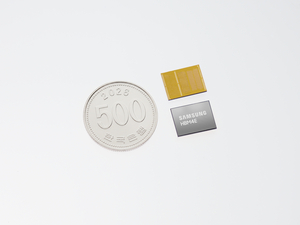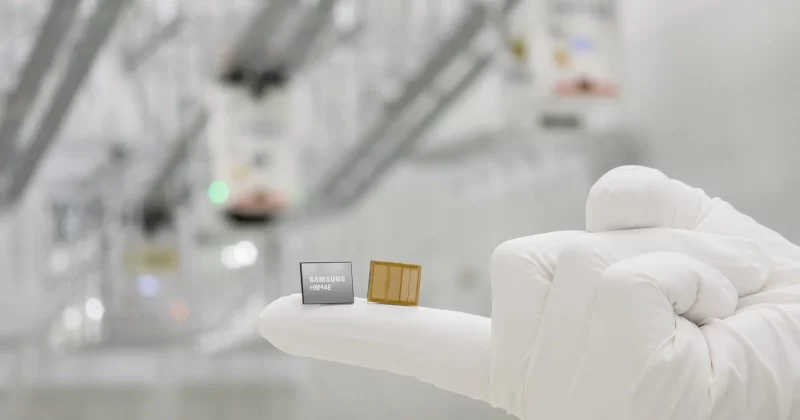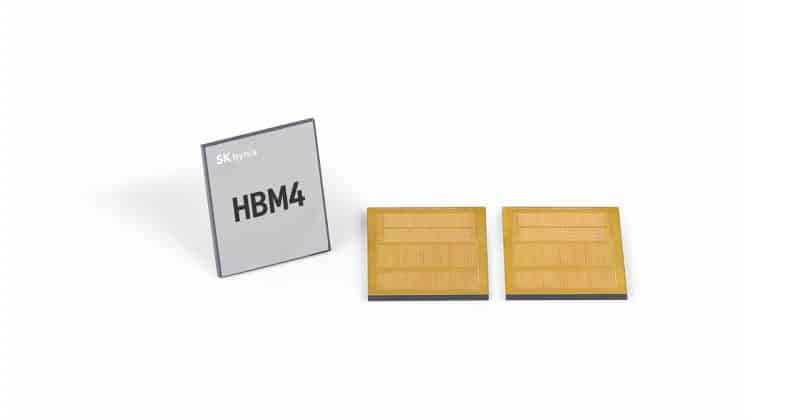
Samsung Electronics became the first to ship 12-high HBM4E samples to global customers on May 29, built on 1c-class DRAM and a 4-nanometer logic base die. (Samsung Electronics) Samsung Electronics and SK hynix detailed their expanding use of multiyear memory supply agreements in back-to-back earnings calls Wednesday and Thursday, as major customers seek firmer access to capacity that is expected to remain tight through 2028.Samsung said Thursday that it plans to cover 60 to 70 percent of its memory production capacity through long-term agreements. The contracts generally begin with a five-year term and are reviewed annually, allowing another year to be added on a rolling basis.The company has completed deals with five major global data center customers and is close to finishing talks with five other large artificial intelligence-related clients. It did not identify them."Nearly all customers are requesting multiyear supply agreements," Samsung said, adding that some existing customers were seeking more volume.The deals include substantial advance payments. Samsung said it had received about a quarter of the agreed deposits. Some contracts also contain floor prices to limit downside risk if memory prices fall. SK hynix said on June 18 that it had begun providing key customers with samples of its 12-layer HBM4E, a next-generation high-bandwidth memory product for AI computing. (SK hynix) SK hynix outlined a similar approach a day earlier. It said Wednesday that negotiations had been completed with about 10 customers, with further talks underway.Five years is the typical term, although conditions vary by customer and product, according to the company. Prices move with market conditions rather than remaining fixed throughout the contract. The agreements include purchase commitments and deposits.A long-term agreement "goes beyond simply supplying volume," said Song Hyun-jong, president of SK hynix's Corporate Center. He said the deals support the development of next-generation memory around customers' technology road maps.Micron Technology had set out the same direction in June through 16 strategic customer agreements spanning data centers, consumer devices and vehicles. CEO Sanjay Mehrotra said completed and pending contracts could eventually account for at least half of the US chipmaker's revenue.Micron has since signed long-term automotive supply deals with Ford and General Motors, as well as technology suppliers including Hyundai Mobis. The agreements show how competition for memory is spreading beyond cloud operators as advanced driver-assistance systems and infotainment raise chip demand in vehicles.For suppliers, the contracts offer better visibility for costly capacity investments. Customers gain access to scarce output, but accept less flexibility."Multiyear supply contracts are likely to remain highly durable even during a downturn," said Park Joon-young, an analyst at Hanwha Investment & Securities, noting that customers that walk away could face worse procurement terms during the next shortage.
Samsung, SK hynix expand binding memory supply deals amid prolonged shortage
Samsung Electronics and SK hynix detailed their expanding use of multiyear memory supply agreements in back-to-back earnings calls Wednesday and Thursday, as ma
446 words~2 min read