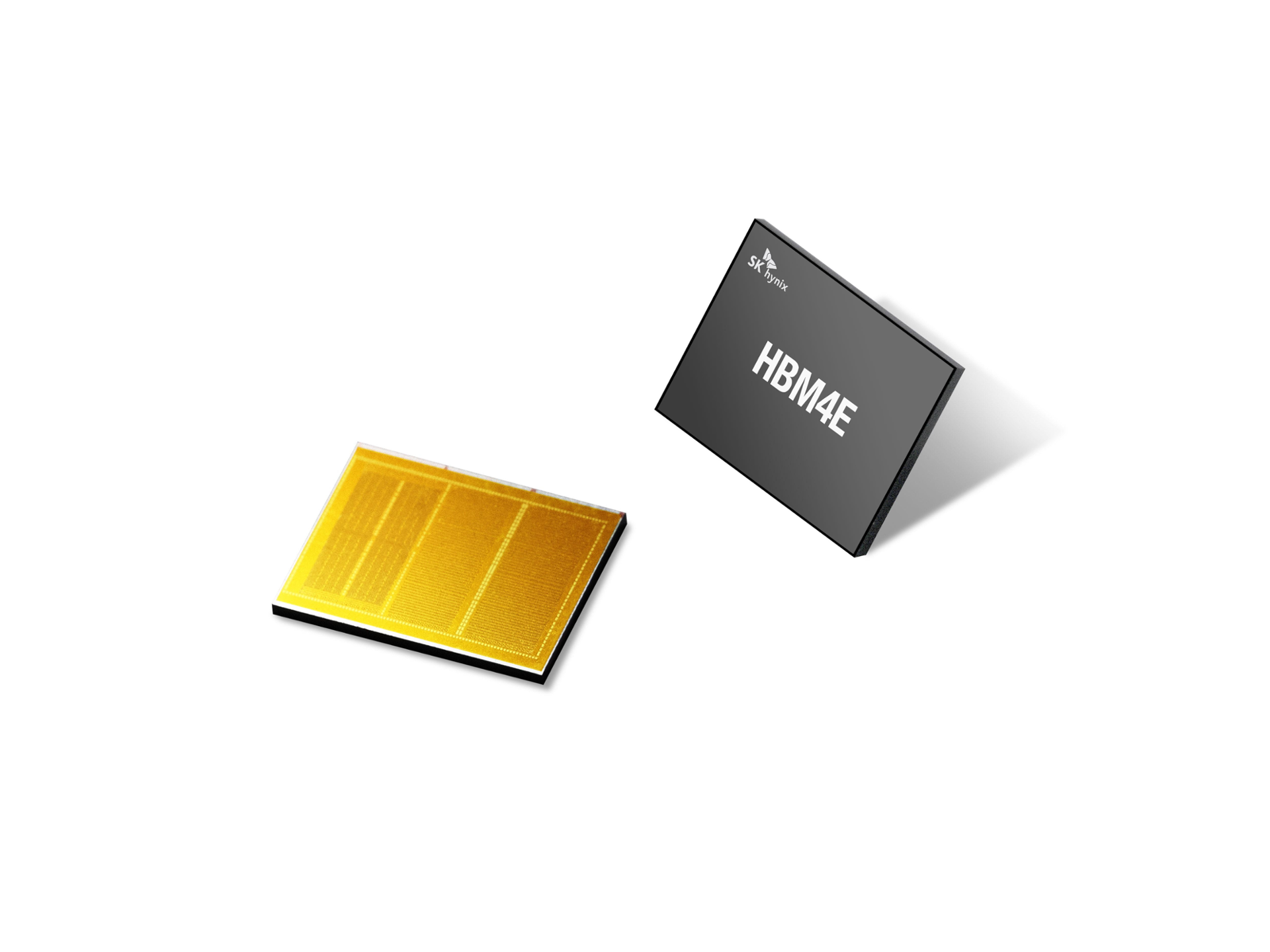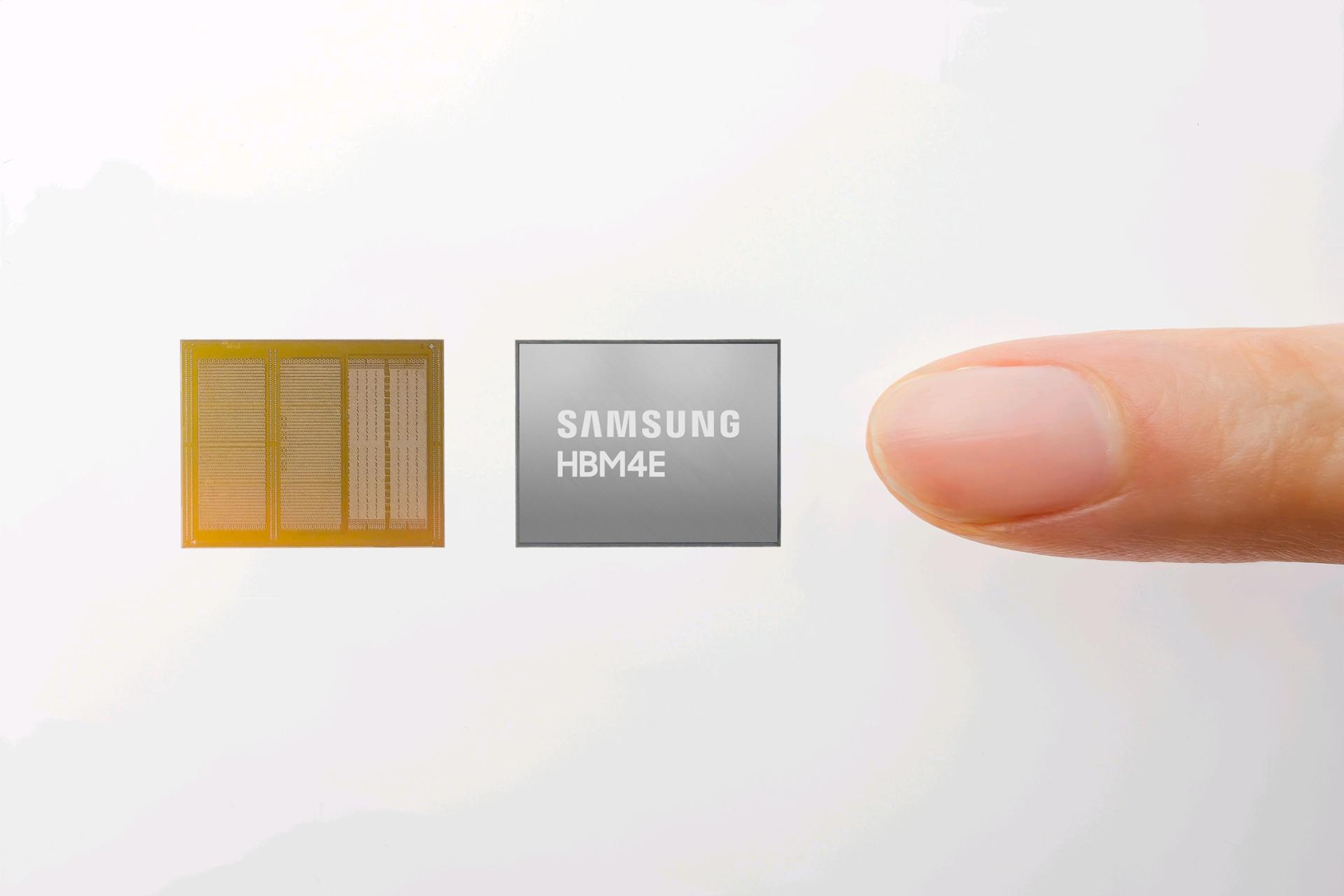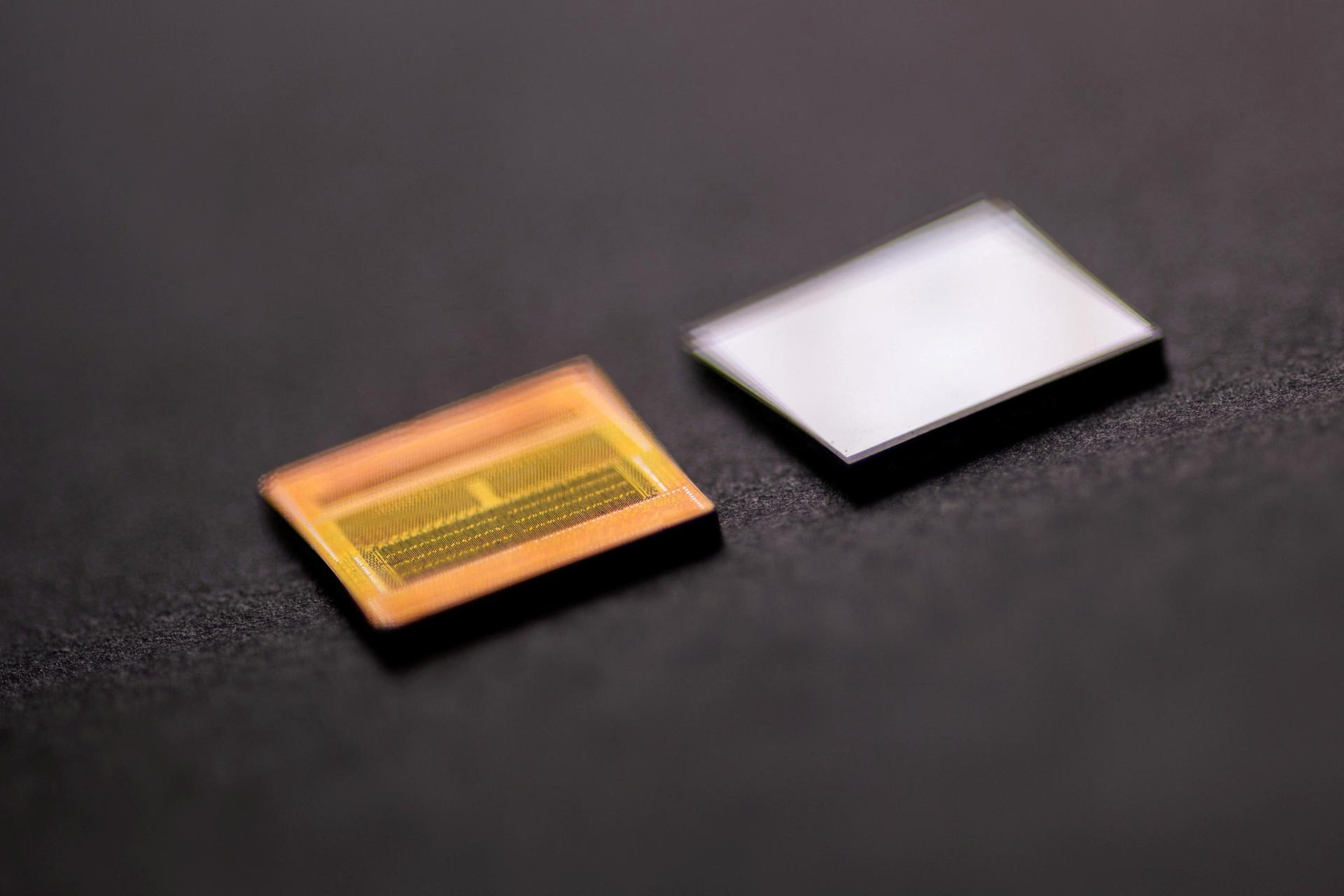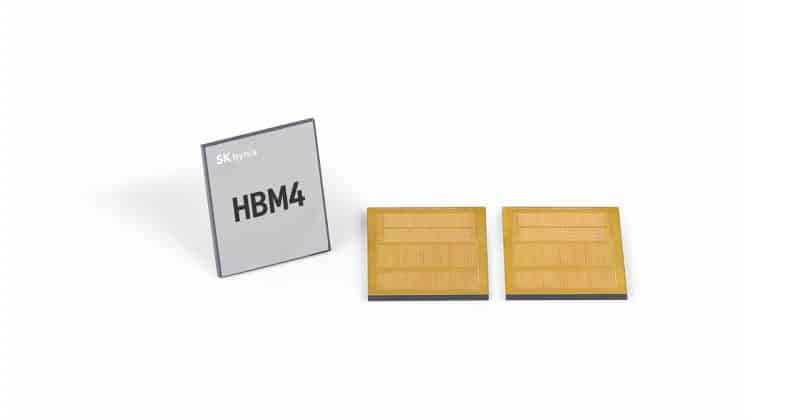
SK Hynix, the company that supplies roughly half the world’s high-bandwidth memory chips, is making a counterintuitive move. Instead of racing to ramp up its next-generation HBM4 production, it’s deliberately slowing down to redirect resources toward conventional DRAM, where supply shortages have made margins surprisingly juicy.
The numbers behind the pivot
To understand why SK Hynix would slow down production of its most celebrated product, you need to look at the math. The company posted a record Q1 2026 operating profit of KRW 37.61 trillion, with an operating margin of 72%. All of SK Hynix’s 2026 HBM supply was reportedly already sold out earlier this year. When your product is completely spoken for, there’s limited upside to pushing production even harder, especially when the supply-demand imbalance in a different product category is screaming for attention.
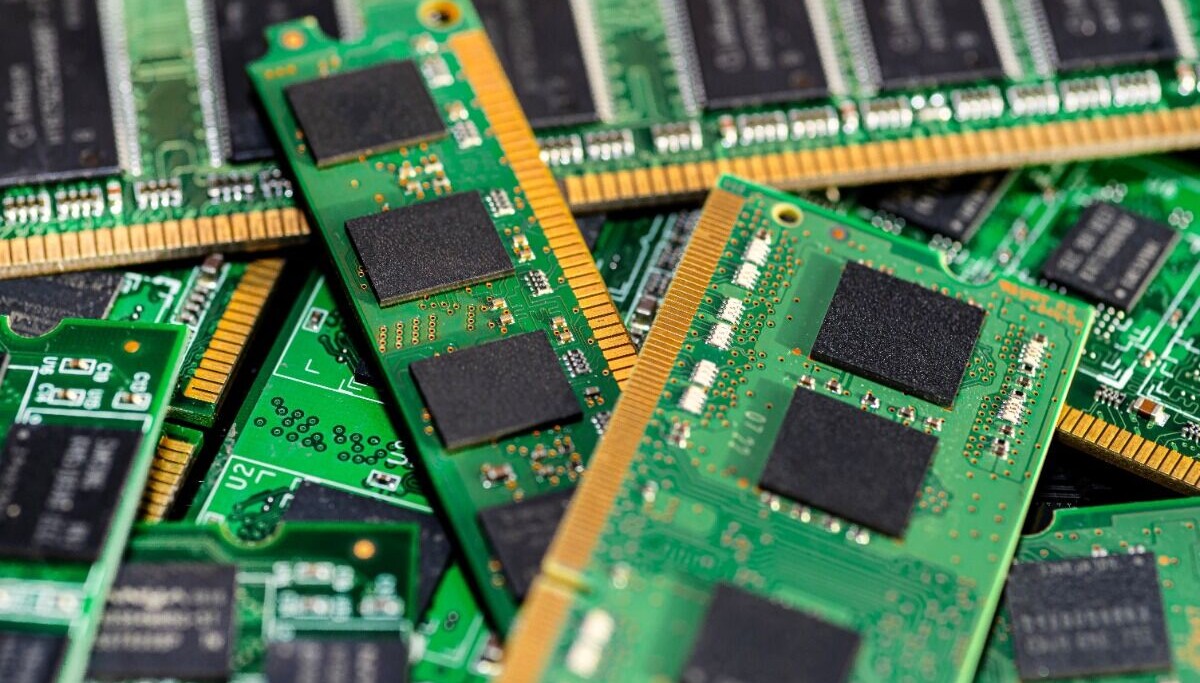
Conventional DRAM, which SK Hynix had previously deprioritized in favor of HBM, is now experiencing acute shortages. The company had earlier slowed investments in its 1c DRAM node specifically to funnel resources into HBM, which was generating margins three to five times higher at the time.
A semiconductor market under pressure