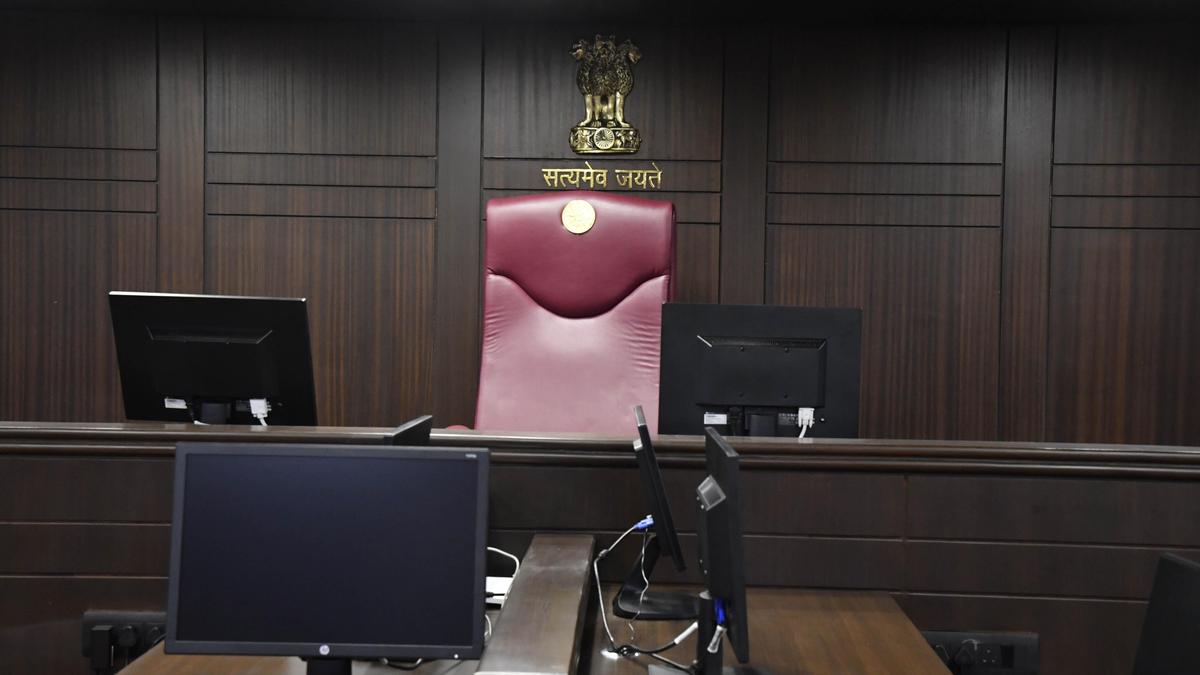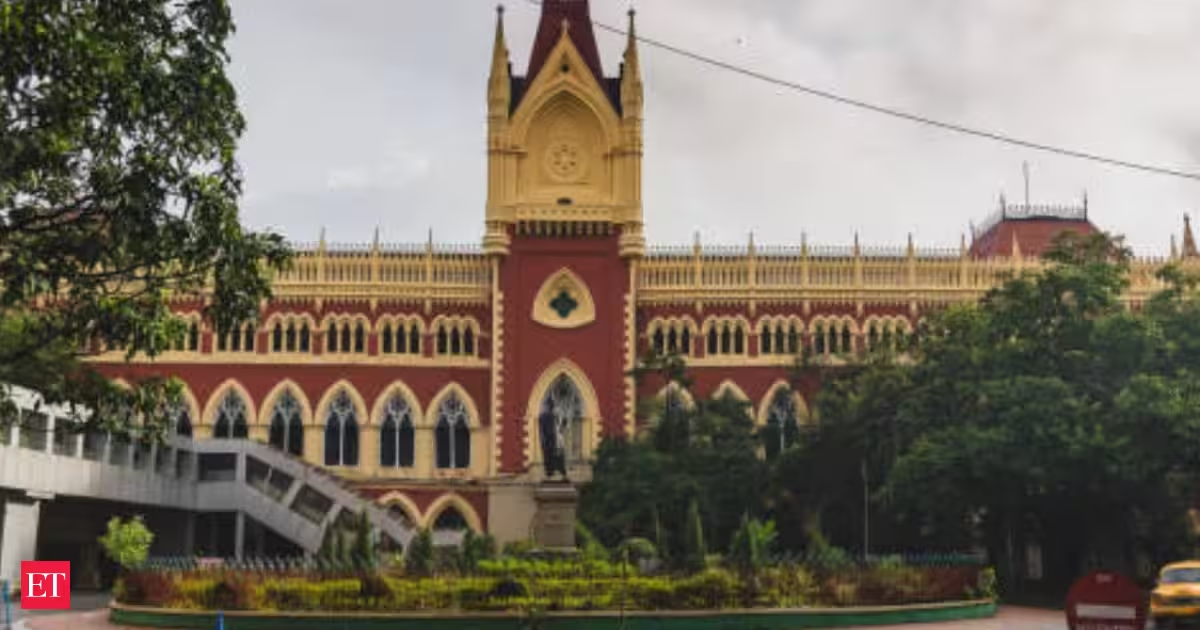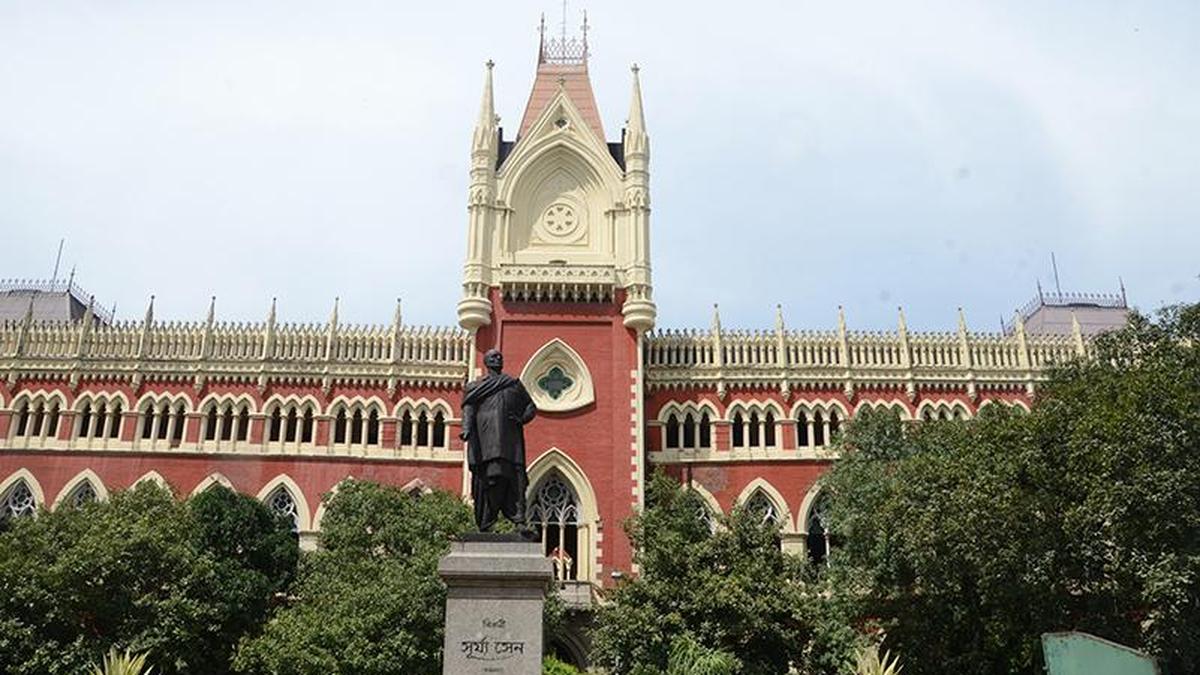
Two days before the inauguration of the special courts at the Rouse Avenue Court Complex, to hear cases under the National Investigation Agency (NIA) Act and other special laws, the Delhi High Court on Saturday ordered a major reshuffle in the Delhi Higher Judicial Service (DHJS), transferring and assigning new postings to 138 judicial officers, including 13 judges designated to the special courts.The special courts have been created, pursuant to the proceedings initiated by the Supreme Court relating to the setting up of special NIA courts and other special laws. (Representative photo/ HT_PRINT)Appointment of judge Ajay GuptaAs part of the reshuffle, judge Ajay Gupta has been assigned to preside over the designated special fast-track court for the trial of criminal cases involving question paper leaks and the use of unfair means in public examinations. The reassignment follows the transfer of judicial officer Anu Grover Baliga, who was appointed as special judge (Prevention of Corruption Act) (CBI)-25 last Thursday and has now been posted to one of the exclusive special courts constituted to try cases under the NIA Act.Also Read | Bihar to get 3 FTCs for speedy trial in paper leak casesFull court meeting decisionThe decision on the transfers was taken in a full court meeting. The transfers will be in effect from August 4, a day after the inauguration by Chief Justice of India Surya Kant along with Delhi High Court chief justice, DK Upadhyaya, and the Portfolio Committee of the Rouse Avenue Court complex, headed by justice Jyoti Singh.Also Read | 'Won't spare those playing with future of students': PM Modi lauds passage of anti-paper leak billSpecial court assignmentsOf the 13 courts, four courts have been assigned to hear case under the NDPS Act, three courts have been assigned to hear cases under the MCOCA, two courts have been assigned to hear cases under the UAPA Act, while four have been assigned to exclusively deal with cases under the NIA Act.Creation of special courtsThe special courts have been created, pursuant to the proceedings initiated by the Supreme Court relating to the setting up of special NIA courts and other special laws.Supreme Court directive and Centre's assuranceOn May 8, a bench of Chief Justice of India Surya Kant and justice Joymala Bagchi directed the Centre to operationalise exclusive special courts in every state, in proportion to the pendency of cases. The court said the broad norm should be one exclusive special court for every block of 10 to 15 pending trials.On July 20, the Centre told the Supreme Court that three courts in Delhi would be notified in that week to exclusively try cases under the NIA Act, paving the way for faster trials.Also Read | President Murmu clears anti-paper leak Bill; Opposition says debate was rushedArrangements for prosecutorsThe Delhi High Court, in a separate affidavit, informed the Supreme Court that it has begun making arrangements for prosecutors and court staff. It said the NIA informed it on June 4 that it had an “adequate number of public prosecutors” for exclusive deployment before the new courts.Inquiry on prosecutors' availabilityOn July 17, the high court wrote to the Delhi government’s directorate of prosecution, seeking details on the availability of dedicated public prosecutors. It had told the apex court that a response was still awaited.Staffing for new courtsOn staffing, the high court said the new courts would initially function with existing district judiciary personnel. “However, having regard to the creation of additional courts, augmentation of the sanctioned staff strength would be required in due course,” it said.Transfer of judicial officersIn addition to the reshuffle in the higher judiciary, the high court, by way of a separate notification, also notified the transfer of 78 judicial officers in the Delhi judicial service.
Delhi high court judges shuffled; Ajay Gupta to tackle paper leaks
Judge Ajay Gupta has been assigned to preside over the designated special fast-track court for the trial of criminal cases involving question paper leaks. | Latest News Delhi
619 words~3 min read