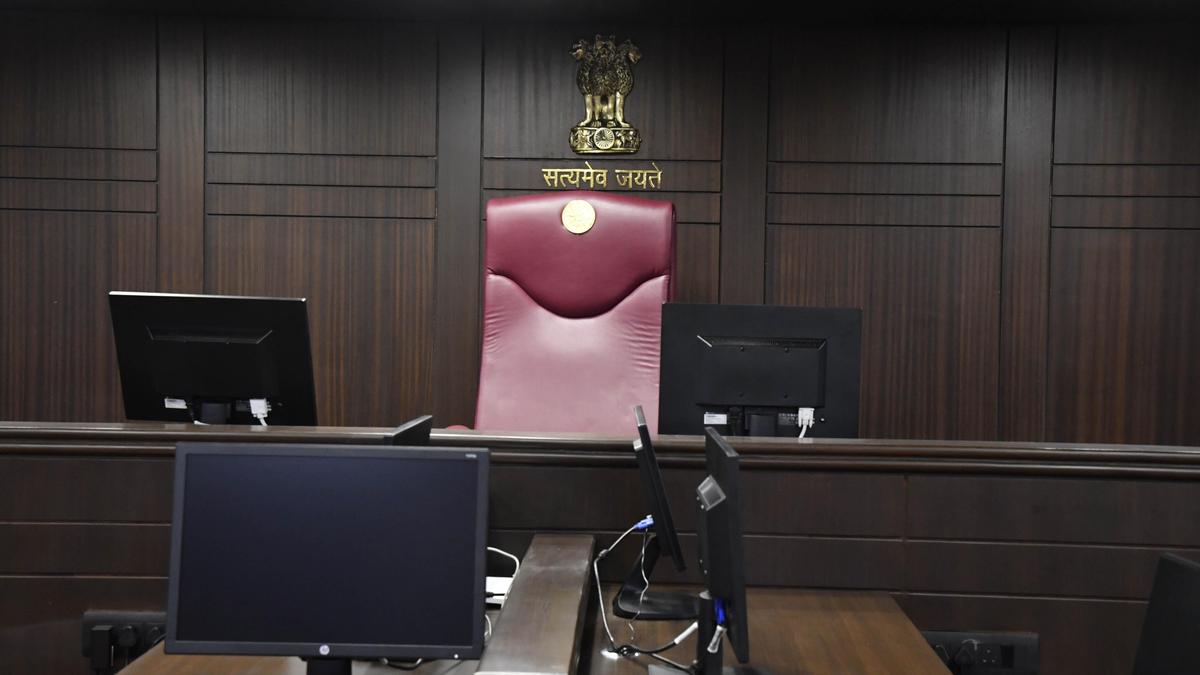
A court room in the Rouse Avenue District Court Complex in New Delhi. File
| Photo Credit: Shiv Kumar Pushpakar
Prime Minister Narendra Modi’s announcement to set up fast-track courts to hear paper leak cases has once again revived the debate over whether these specialised courts are the silver bullet to India’s chronic judicial delays. Following the announcement, the Delhi High Court has constituted a fast-track court at the Rouse Avenue Courts Complex to exclusively hear cases under the Public Examinations (Prevention of Unfair Means) Act, 2024. However, stakeholders have cautioned that fast-track courts also struggle with mounting pendency and resource constraints. So, have fast-track courts delivered on the promise of speedy justice? Bharat Chugh and Shruthi Naik discuss the question in a conversation moderated by Aaratrika Bhaumik.
How effective have fast-track courts been?Bharat Chugh: Fast-track courts have succeeded in delivering speed, but only for the limited category of cases assigned to them. That is because, in most instances, a fast-track court does not entail the creation of additional judges or judicial capacity. For example, take the proposed fast-track courts for exam leak cases. The judges presiding over these courts are typically drawn from the existing judicial system and reassigned from the cases they were already handling to hear these priority matters instead. Rather than expand the judiciary’s capacity, fast-track courts redeploy existing judicial resources. As a result, while the designated cases move through the system more quickly, the matters those judges were previously handling are pushed further down the queue.