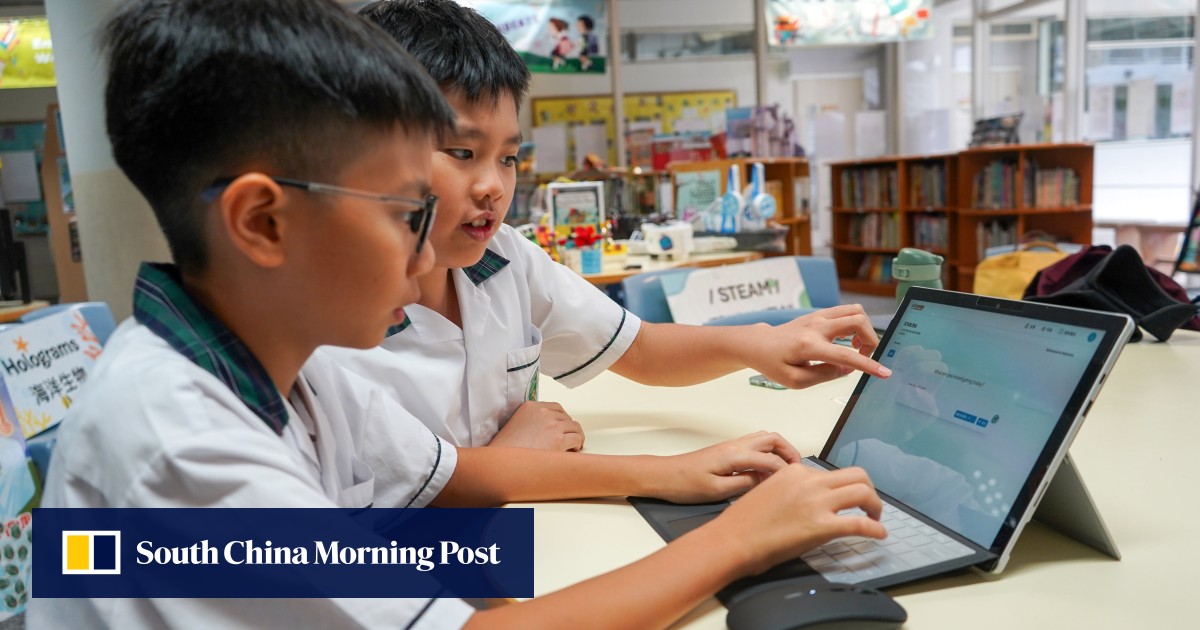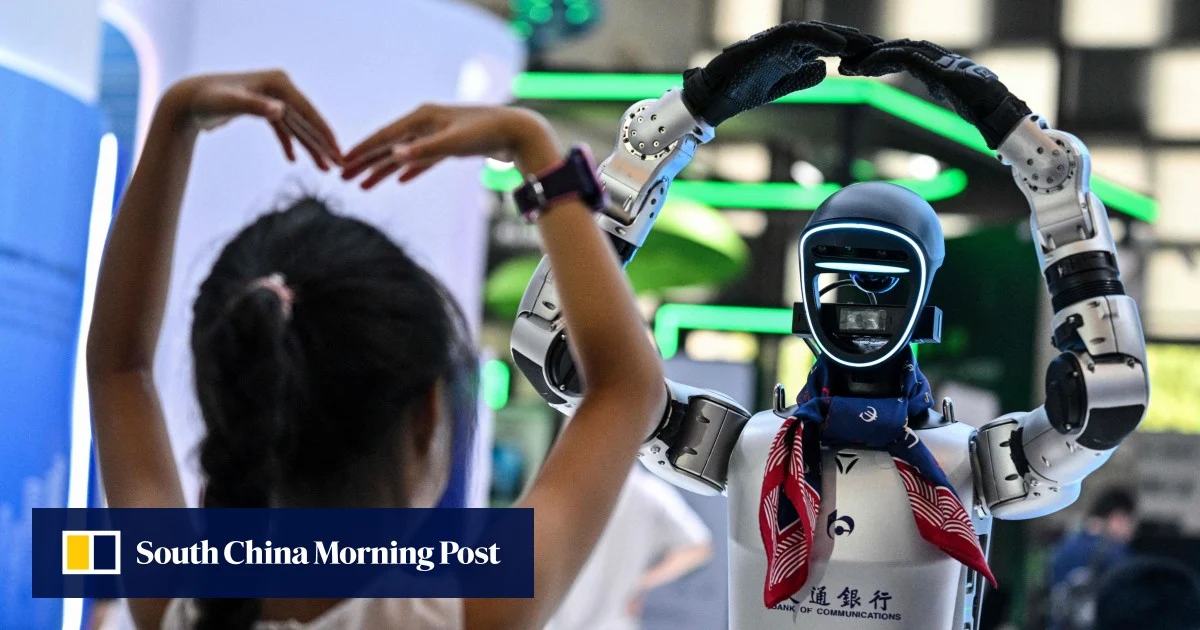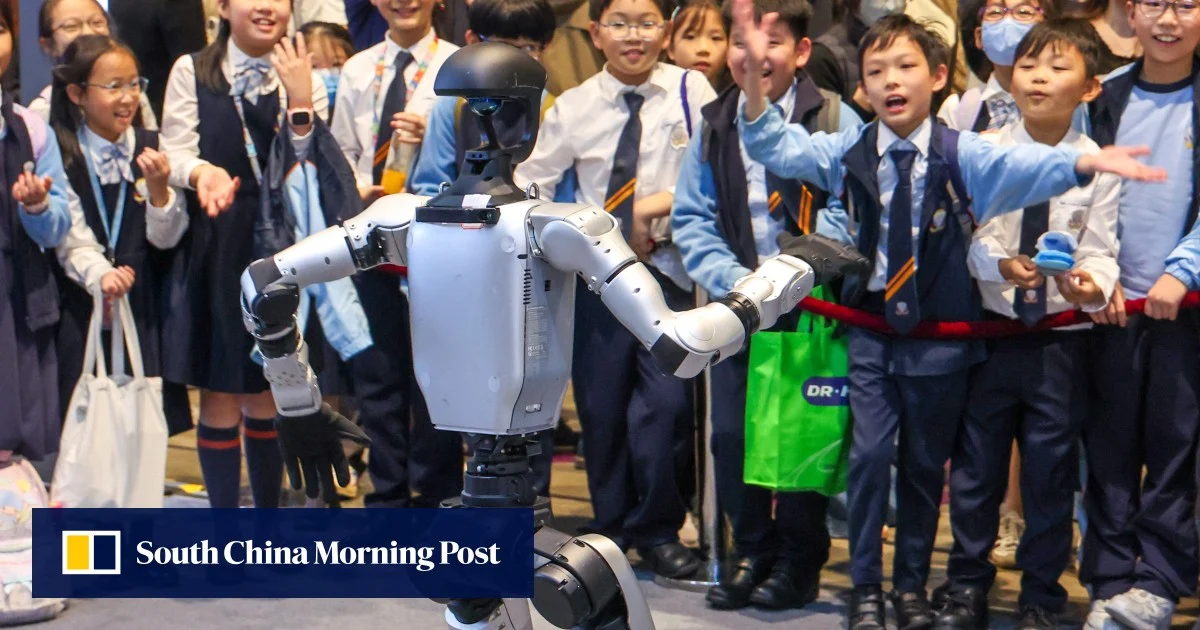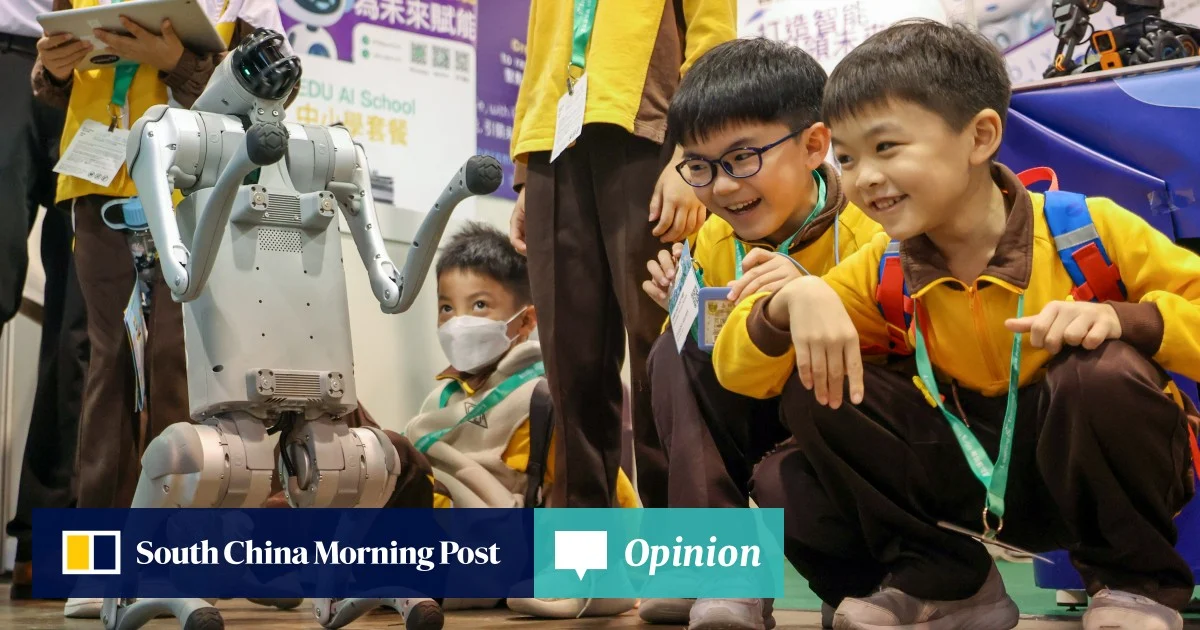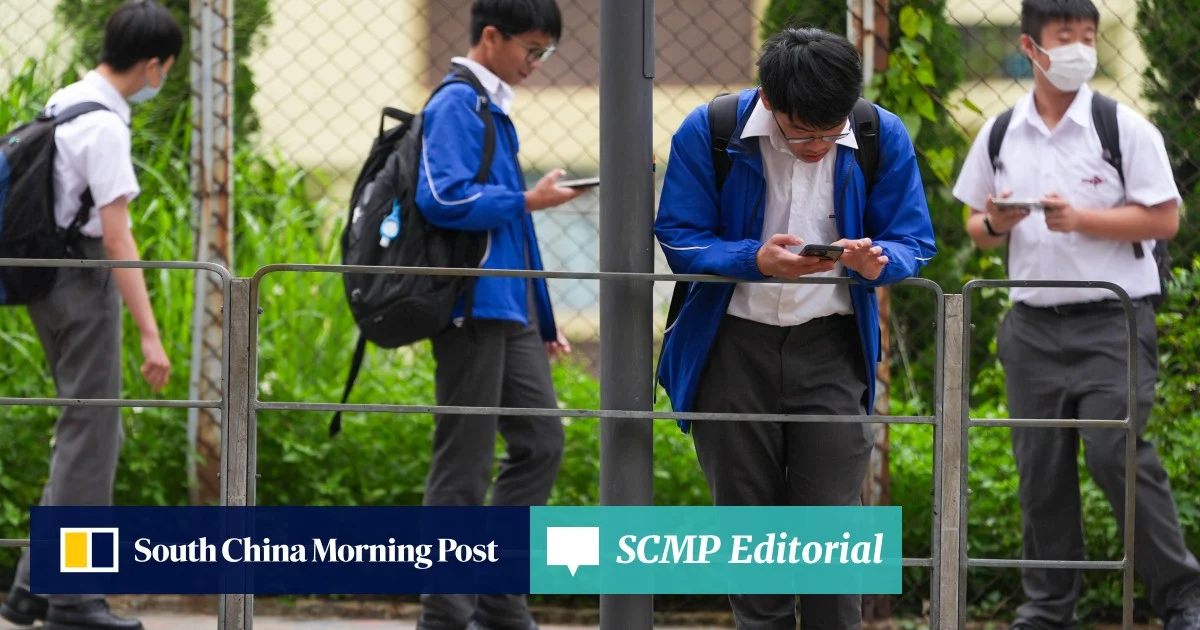
Harnessing the benefits of artificial intelligence (AI) and social media while limiting the risks they pose to children’s well-being is a challenge facing governments around the world. Bans on social media use by youth under 16 have been introduced in some countries, beginning with Australia. Others, including the UK, plan to follow suit. This is a developing trend.Norway has announced restrictions on the use of generative AI by junior school pupils, and Sweden is set to prohibit mobile phones in schools while encouraging traditional teaching methods. There has also been a return to handwritten, supervised exams in some parts of the world.The potential negative impact of excessive social media use and exposure to harmful content on children is well documented, as is the challenge AI poses to educational institutions. However, the risks do not outweigh the need for young people to develop digital skills and become adept at using new technology. This is vital if they are to succeed in an environment made increasingly competitive by the innovations.Hong Kong is adopting a measured and sensible approach. Secretary for Education Christine Choi Yuk-lin, in an interview last month with the South China Morning Post, was right to stress the need for students to master the technology and learn how to use it responsibly.The city has issued a blueprint for digital education in schools as part of a plan to integrate AI into the education sector. This is necessary to equip pupils with the skills they need to prosper.There will be mandatory digital education training for teachers, the inclusion of digital elements in school development plans and the introduction of an innovation and technology curriculum. These measures are required to ensure the city’s schools keep pace with developments.
Editorial | Hong Kong classrooms must balance tech integration with safeguards
The city is taking the right approach by harnessing the power of AI and social media while actively protecting student well-being.
286 words~1 min read