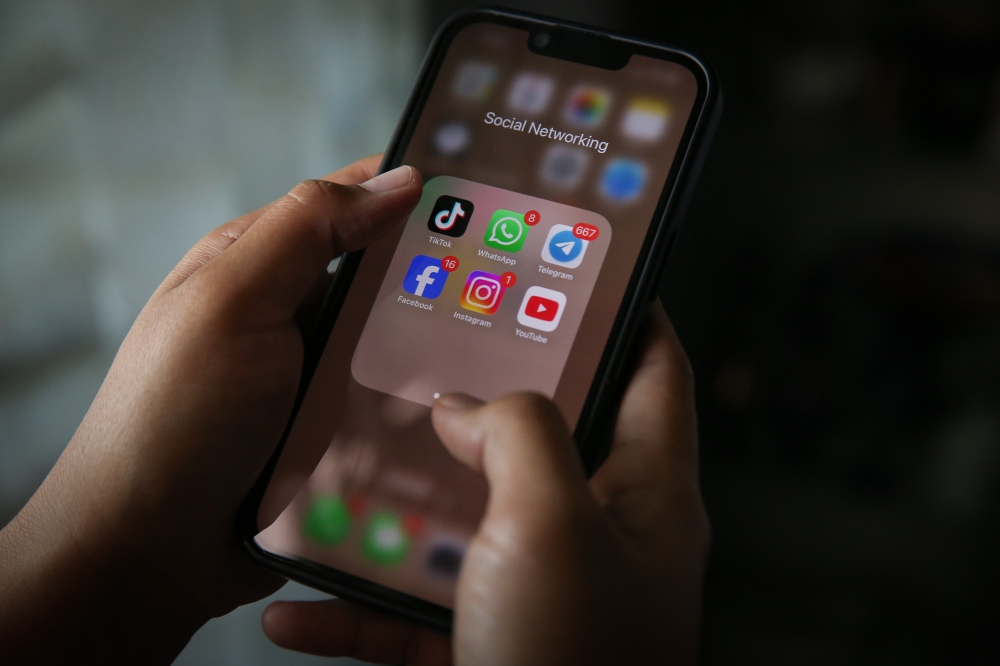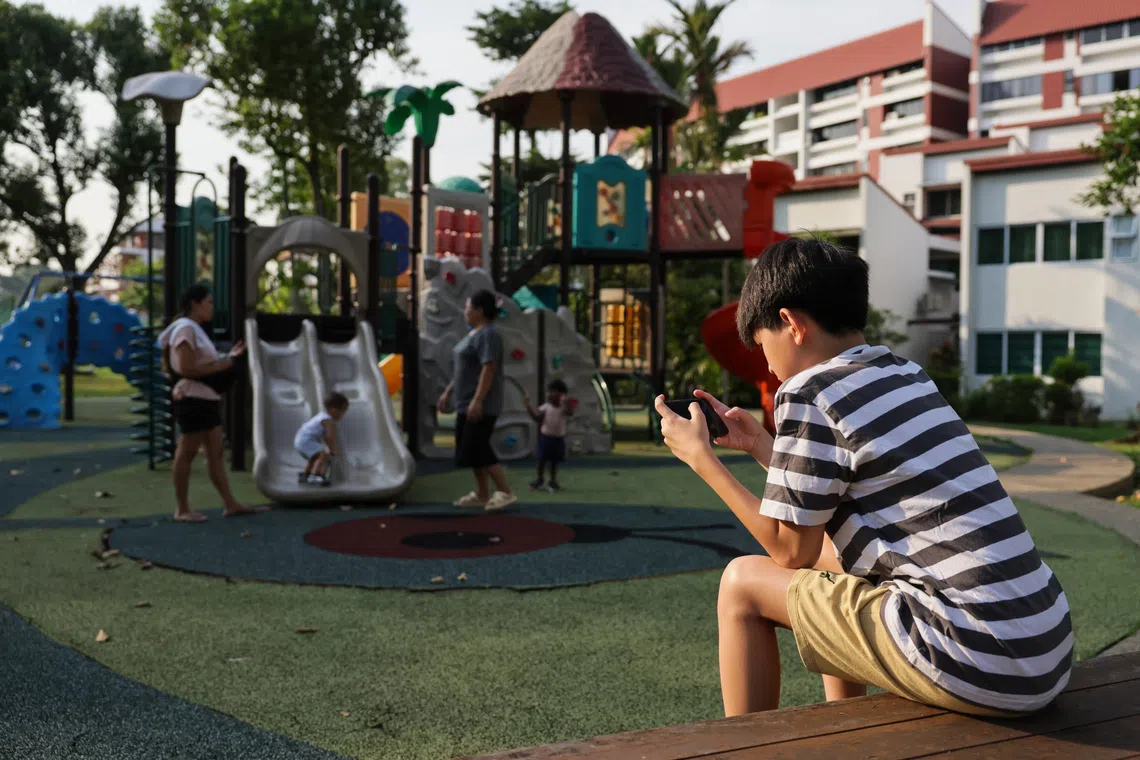
Singapore is considering stronger measures to protect children online, including an age-based tiered approach to social media access for those aged below 18. Under the proposal, children under 13 would be restricted from accessing social media platforms, while those aged between 13 and 17 can continue to have access but with additional safeguards designed to reduce online harms.
This move aligns with the global attempt to address this issue, most notably seen in Australia’s pioneering legislation to ban social media access for those under 16.
The intention to shield children from cyberbullying, exploitation, scams, harmful content, and addictive platform features is unquestionably laudable. As the regulator has already acknowledged, a complete ban on children’s access to social media is unlikely to be practical. Although an age-based tiered approach may offer a more workable alternative, it nevertheless faces many of the same implementation challenges.
Robust age verification remains necessary, while registration through government- issued identity documents would raise significant privacy and cybersecurity concerns.
Facial age estimation systems, introduced as a privacy-preserving method, have shown significant reliability issues: some 11-year-olds were incorrectly identified as adults, and users can easily deceive the algorithms.