Story audio is generated using AI
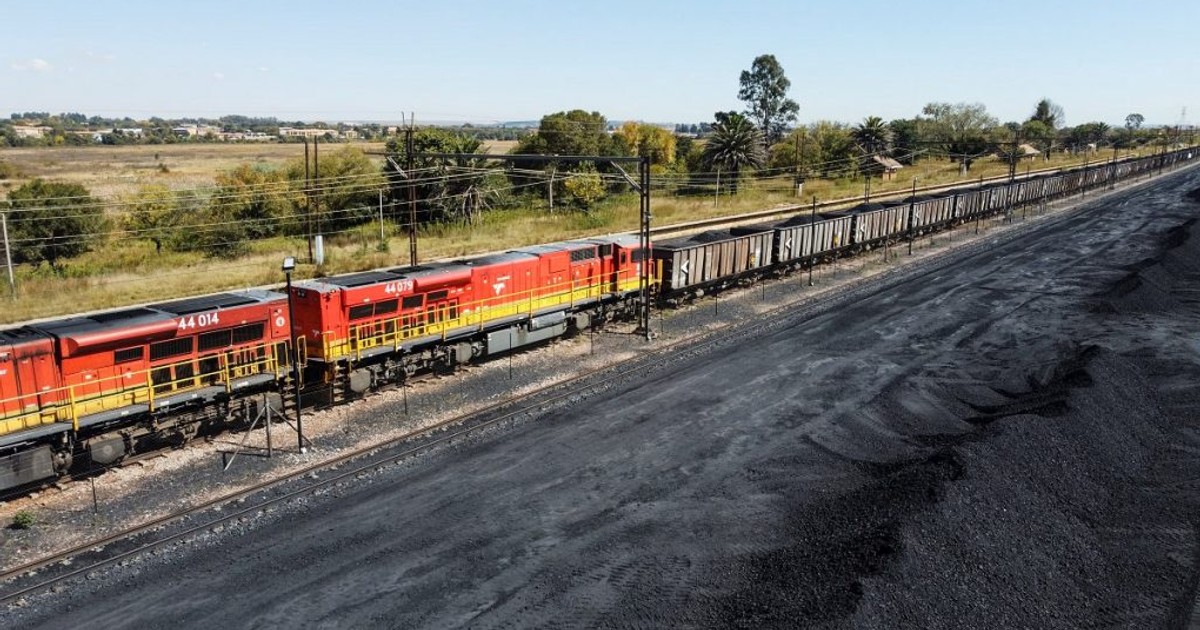
In 2023, Harvard University’s Growth Lab — a unit led by Ricardo Hausmann that studies factors constraining or enabling economic growth — published a report on the South African economy that focused on the inability of the state to provide public goods such as cheap and reliable electricity and an efficient logistics system. Even though economic players have always known the negative impact of these factors, the report made for explosive, if not disturbing, reading. The scholars calculated that the deterioration of public utilities such as rail and power explained South Africa’s growth underperformance since the 2008 global financial crisis. They said 40% of the underperformance is attributed to the state’s weaknesses. We are still counting the costs. Fortunately, at the time of the report’s publication, President Cyril Ramaphosa and his administration had initiated several reforms in the logistics and energy sectors. These included tapping the private sector for skills, capital and entrepreneurship. The reforms acknowledged that state-owned companies were too consumed by the weight of debt and leadership challenges to be able to turn the corner with the required speed.In the logistics sector the reforms included paving the way for private sector investors to operate on some parts of Transnet’s rail network where they could add value by bringing capital to improve infrastructure, supply rolling stock and improve efficiencies. The idea behind it is very good. The economy is likely to adopt the characteristics of its logistics system — its veins and arteries. An efficient and competitive rail system and port system could improve South Africa’s global competitiveness across major industries — exports in raw minerals, manufactured goods and agricultural products. It could also boost employment in major export industries. Now, the big question is, will the expectations be met? We don’t have an option. All economic players must play their part to make sure that we deliver to the economy and the millions of unemployed people. Now, the big question is, will the expectations be met? We don’t have an optionIf the participation of private sector players doesn’t increase operational efficiencies and fail to lower logistics costs, then the whole reform agenda would have been in vain, a complete waste of time. Indeed, if logistics costs increase, rendering the economy uncompetitive, then fundamental opponents of private sector participation would have every reason to feel vindicated. Failure would result in the private sector carrying the stigma of taking advantage of an ailing state to make a quick buck while undermining the country’s economic performance. Some leftwing commentators have already wrongly claimed that decision to allow private sector participation amounted to “privatisation” — a swear-word in some political circles. There are some who believe that the government should at all costs hold on to what it has always run regardless of the difficulties and inefficiencies. If the private sector could invest and make money, they say, it means the state can do it. Such arguments ignore the reality that the government does not have the required capital to invest. If it were to try to do everything by itself, it would have to borrow more and/or raise taxes — either of which would be unpopular. Private sector players must demonstrate that, where they have been given an opportunity, their involvement is to the benefit of the entire economy. They must help in job creation and retention by ensuring improved logistics reliability, efficiency and costs reduction. If the private sector players fail on this score, they would be as guilty as the state they are usually quick to criticise for its failings. We must all realise that, for good or ill, both the private sector and the government are joined at the hip. Though Transnet has made tremendous efforts to improve rail efficiencies, there is still much that requires improvement. It is good to see, for example, Transnet Port Terminals increasing revenue by 5.7% to R19.5bn through operational improvement. But it is worrying that Transnet Pipeline increased revenue by 21% to R8.2bn largely due to tariff hikess while volumes shipped declined. The former means improved efficiency while the latter reflects the opposite. We must get to the point where all of Transnet’s divisions record efficiencies. The same benefits of efficiency and lower costs must be realised in the energy sector. So far, despite increasing penetration of private sector participation in energy generation, the cost of energy keeps rising. Although Eskom leadership deserves applause for ending load-shedding and reducing load reduction, they have their work cut out in terms of the next big challenge: reduction of energy costs, which must be made a government policy. Some recent Eskom numbers indicate the urgent need to change. Between 2022 and 2024, Eskom’s sale volumes dropped from 200TWh (terrawatts per hour) to about 185TWh, but revenue increased from about R250bn to about R300bn. This wasn’t a good sign of competitiveness. Sales picked up between 2024 and 2025 by 3.5%, but revenue rose 15.2%. The discrepancy between sales and revenue is a function of inefficiency. It is reflected in the rising costs of electricity for households and businesses. Is private sector participation in energy generation helping? So far, we have not seen the evidence. According to Eskom, renewable independent power producer (IPP) generation costs remain higher than coal-fired power in rand per megawatt hour. Eskom’s 2025 annual report shows that rand/MWh increased 1% from R541 to R546 for coal-fired power. For renewable IPPs, it rose 8% from R2,029 to R2,189. The costs must come down drastically if the South African economy is to return to competitiveness.Bayoglu is the MD of Menar, a private investment company whose subsidiary, Menar Ports and Rail, is one of the train operating companies selected by Transnet Infrastructure Manager.