Story audio is generated using AI
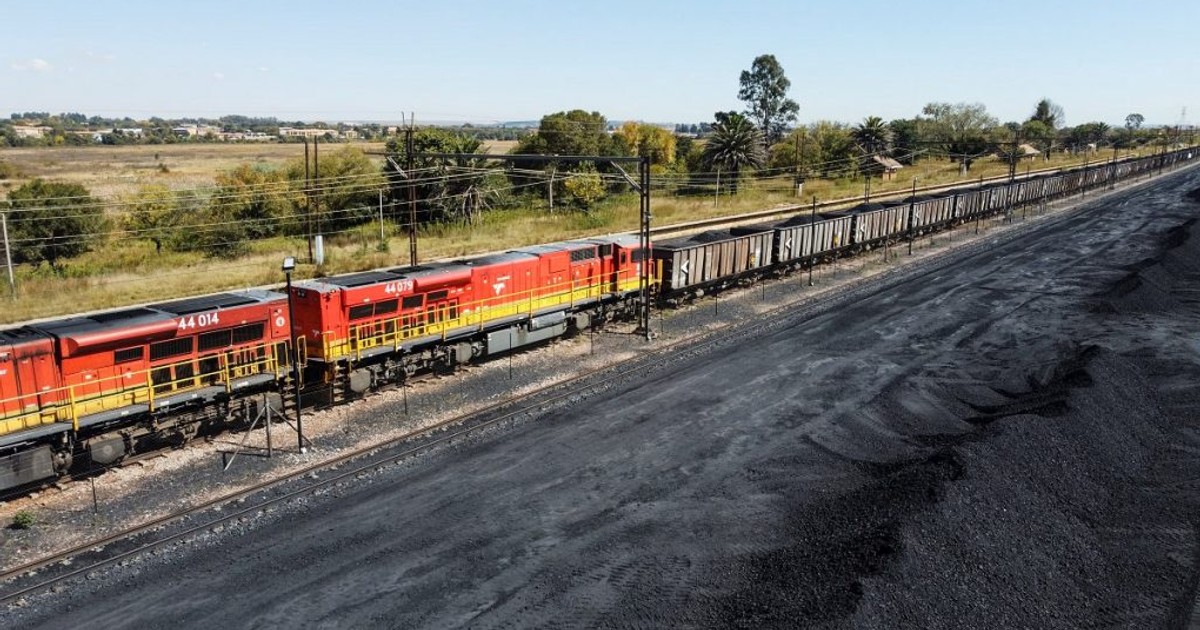
Business Leadership SA (BLSA) CEO Busi Mavuso says reform acceleration in the crucial logistics sector is non-negotiable if South Africa is to realise economic growth that will absorb the “depressing” unemployment rate. “Reform of our logistics sector is critical to our future economic success,” Mavuso said in her weekly newsletter on Monday. “We cannot be a competitive exporting nation without efficient ports and efficient access to them. Our farms, factories and mines need to be able to get their output to markets around the world at prices that are competitive with other producers. That is critical to enabling economic growth and job creation.” Recent data from Stats SA showed the unemployment rate surging to 32.7% in the first quarter, up from 31.4% in the previous quarter, bringing the number of unemployed people to 8.1-million.“The economy shed 345,000 jobs in the quarter. I agree with Cosatu that these figures are ‘beyond depressing’. But I hope we can spring into action to implement the reforms that will turn it around. Growth is the only path to creating the jobs we desperately need. And growth requires competitive logistics that enable our exporters to succeed in global markets,” she said. While there had been progress in reforming the sector, “it has been slower going than we would have liked”. “The plans drawn up by the NLCC [National Logistics Crisis Committee] are clear — we need considerable new investment in the logistics system, and that can only be achieved through greater private sector participation. “That has been adopted into policy, but the process of enabling private access to the rail network and concessioning of port operations has not gone smoothly. As BLSA’s reform tracker noted in its quarterly update last month, transaction terms push risk disproportionately onto private providers while Transnet continues to design the terms on which private investors are given access to operate public infrastructure.” Mavuso said there were still encouraging signs of progress, with data showing a total of 8,630 vessels called at South Africa’s ports, “a level not seen for 15 years”. That is key to the success of export industries, including our citrus industry, which overtook Spain last year to become the biggest citrus exporter by volume in the world. “Those volumes are set to increase thanks to reforms that have enabled private investment. Philippines-based International Container Terminal Services, a global port operator, took over the Durban Gateway Terminal in January and is investing R11bn to boost capacity by 40%. “FFS Tank Terminals is taking over the Cape Town Liquid Bulk Terminal, investing close to R200m to modernise infrastructure and double terminal capacity. In Durban, Transnet has signed a 20-year agreement with FPT Group for the Durban Fresh Produce Terminal. The Richards Bay Dry Bulk Terminal and Ngqura Manganese Export Corridor are also being prepared for private participation,” Mavuso said. Another win last week, she said, was the finalisation of 11 private rail operators’ contracts with Transnet Freight Rail Infrastructure to operate various routes on the network. “After difficult negotiations to ensure projects were bankable, these operators are expected to add 24-million tonnes of freight capacity in coal, manganese, containers, fuel and general freight. Some are expected to begin operating before the end of this year, though most will begin next year.” The wins demonstrated what decisive leadership could achieve. “The reforms are delivering measurable results — record vessel volumes, billions in private investment, new rail capacity, and progress on long-neglected problems,” she said. “This is how we create the conditions for exporters to compete, for businesses to grow, and for jobs to be created. With 8.1-million South Africans unemployed, we cannot afford delays or half-measures.” Business Day