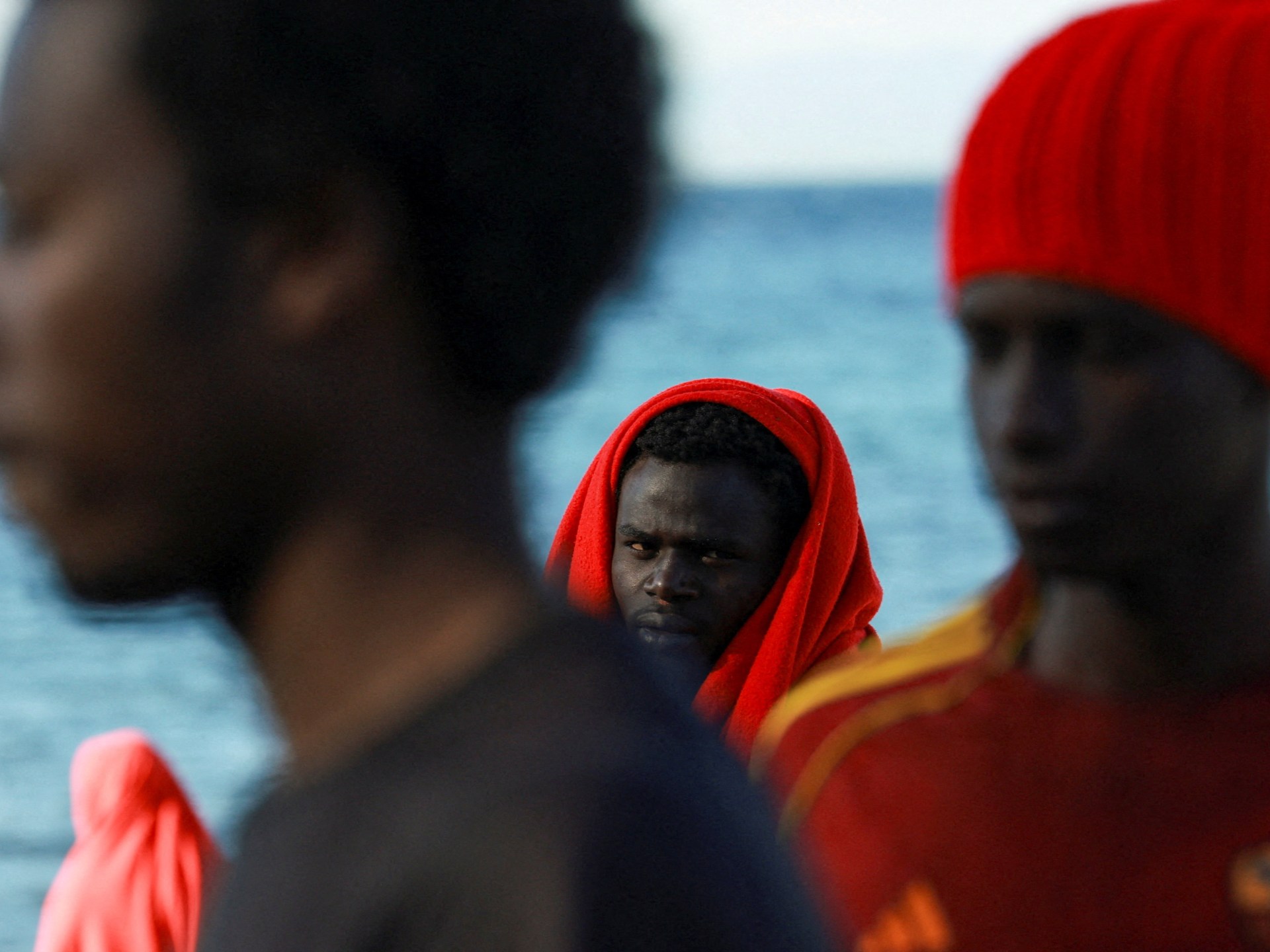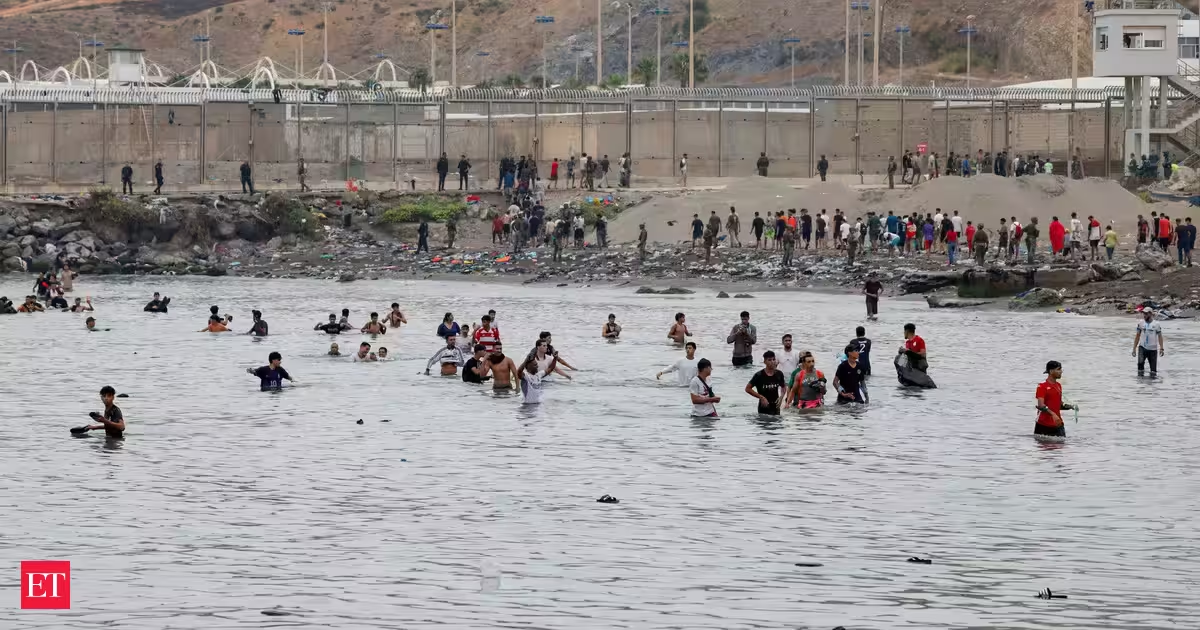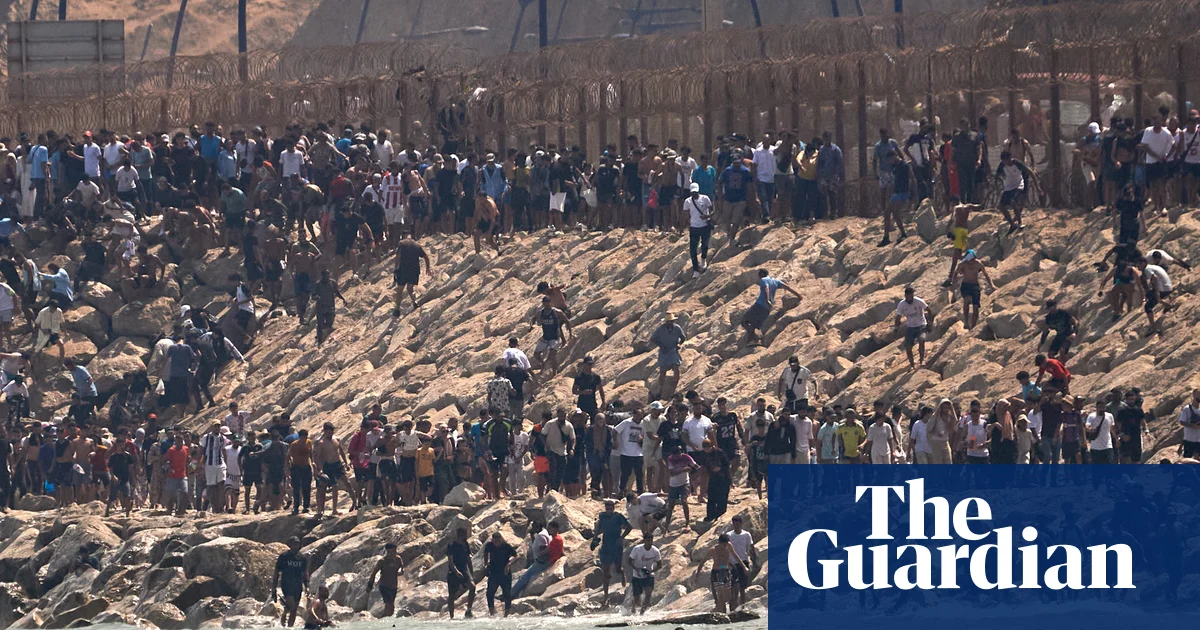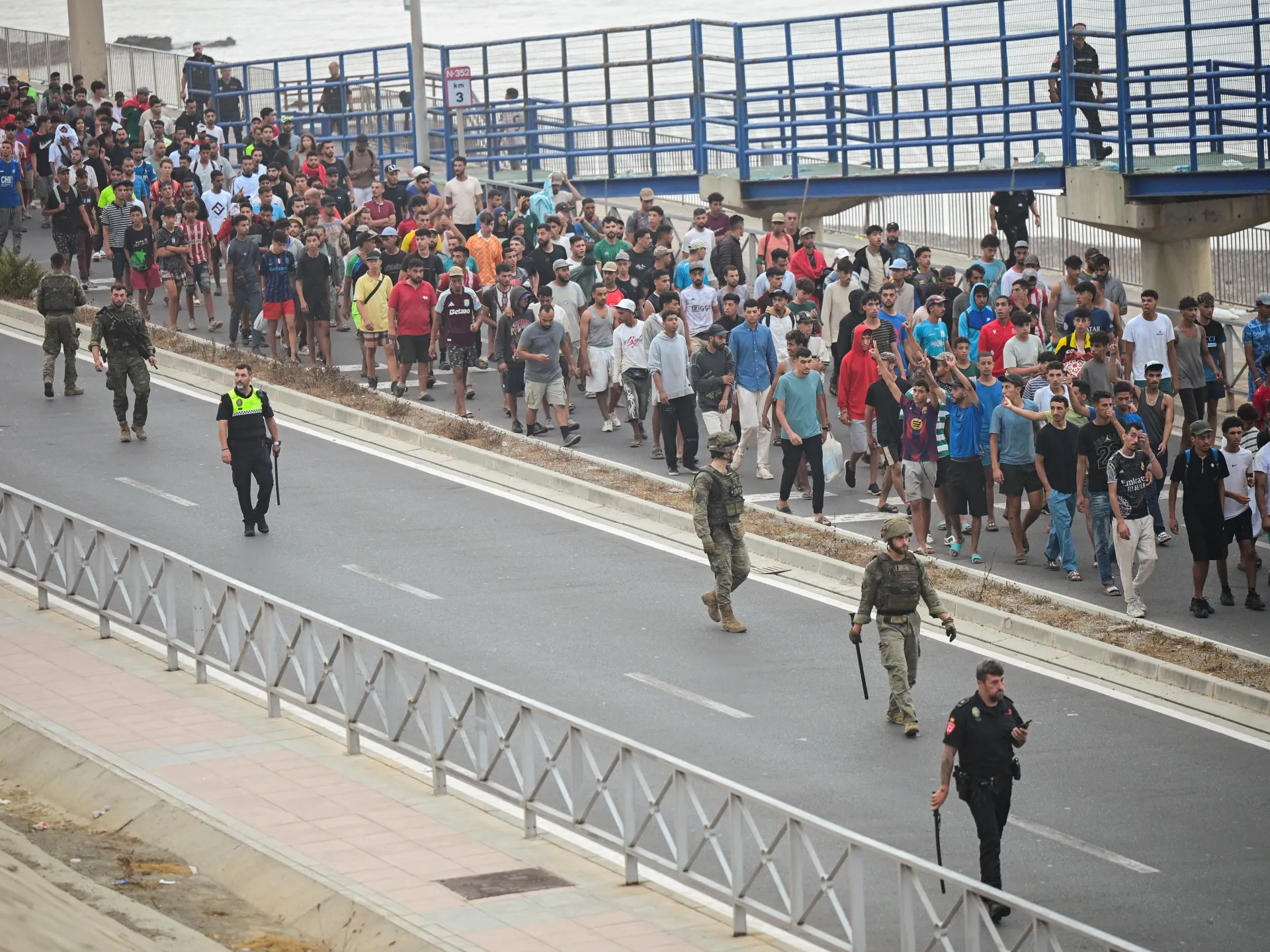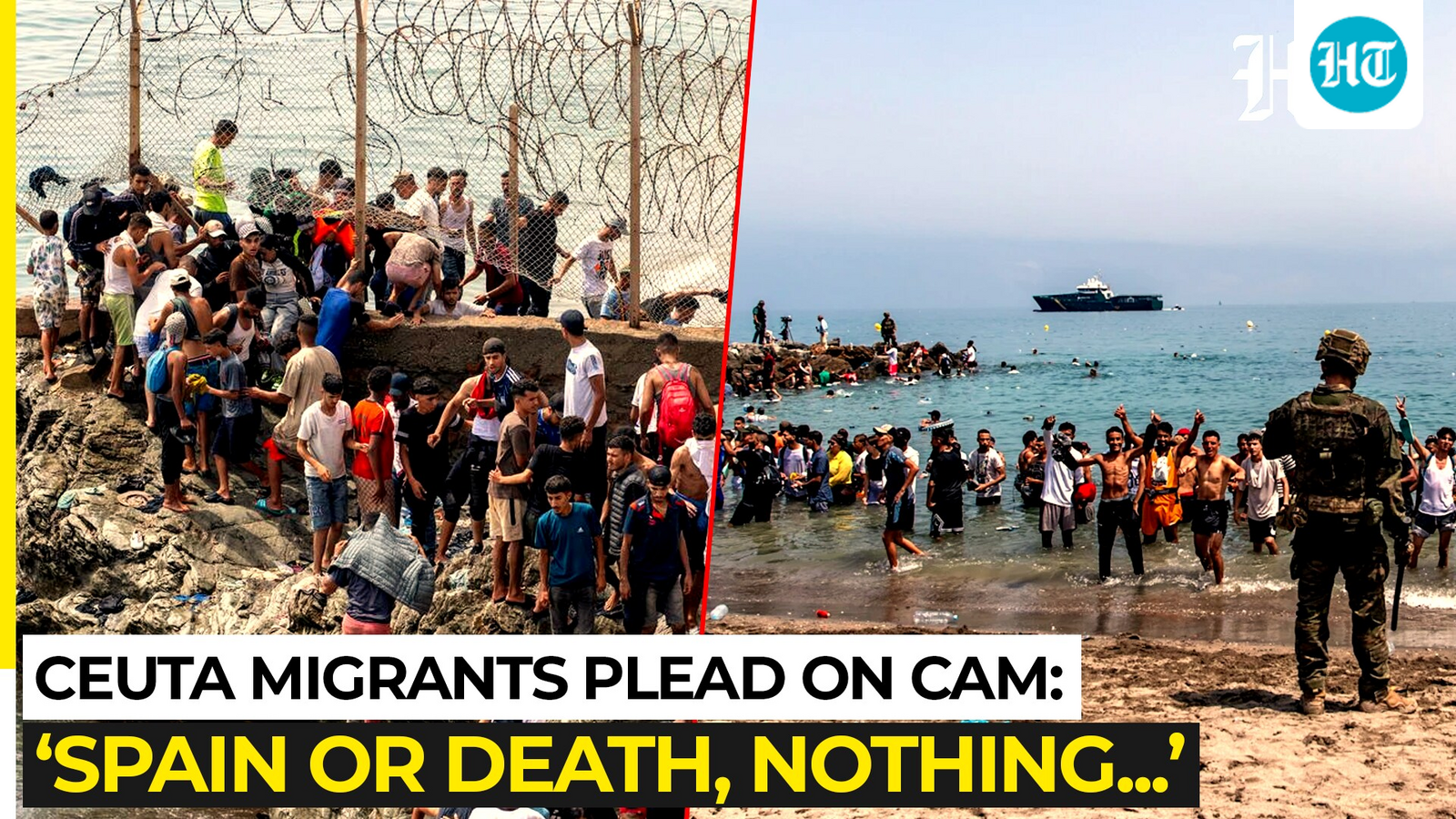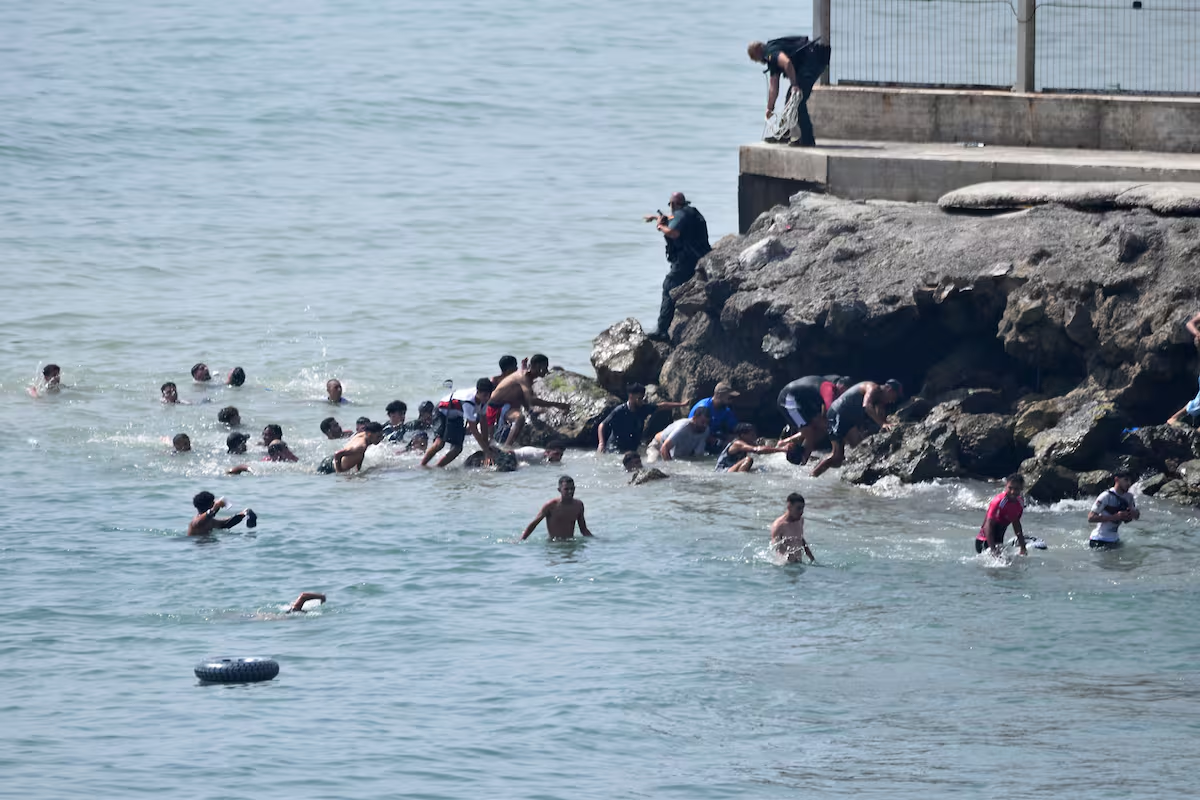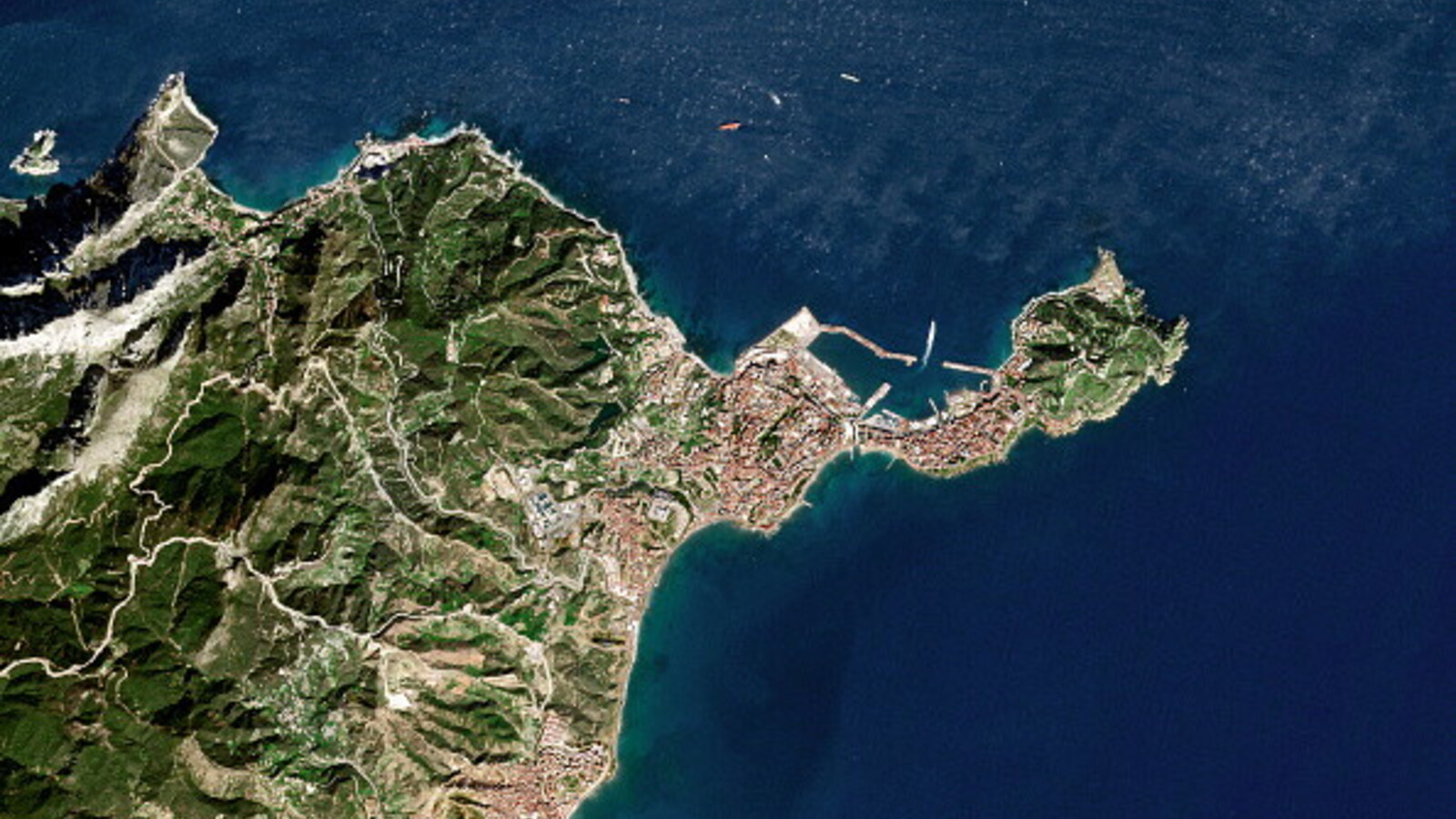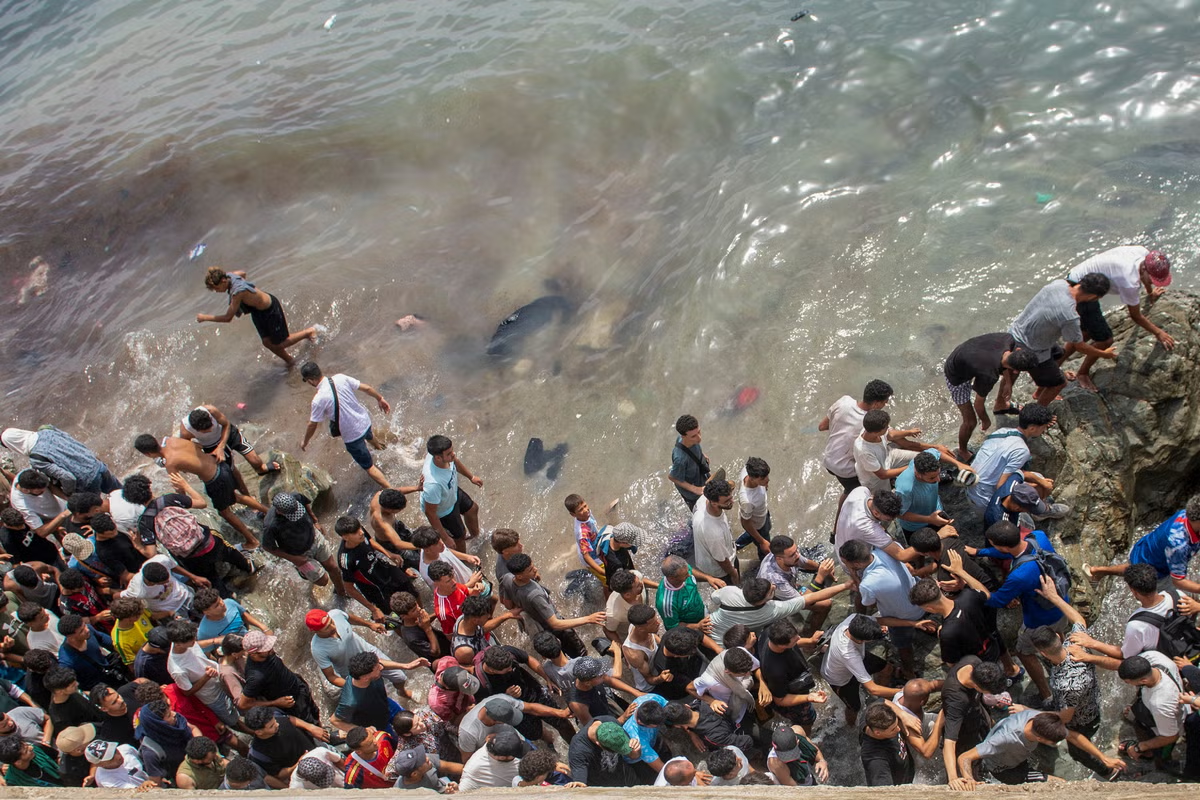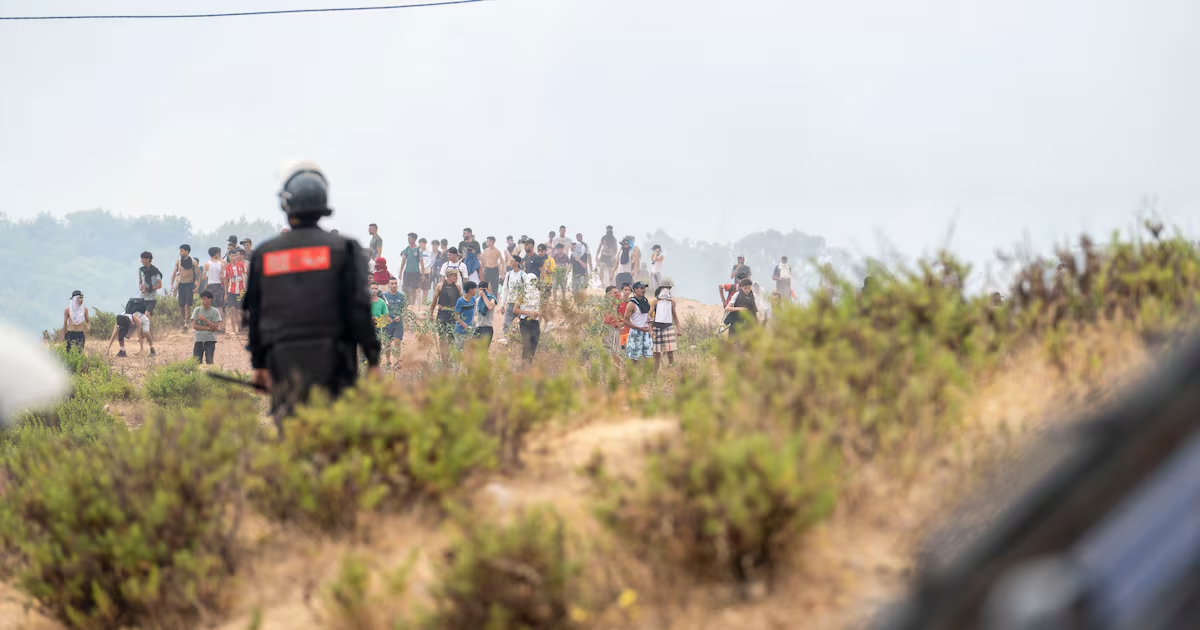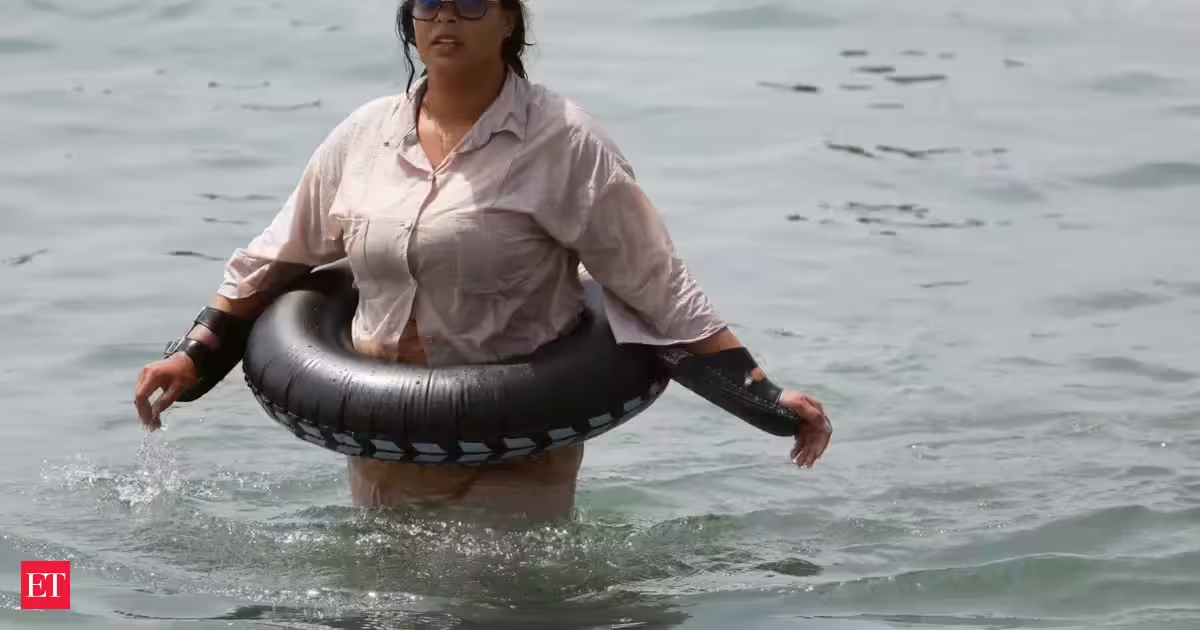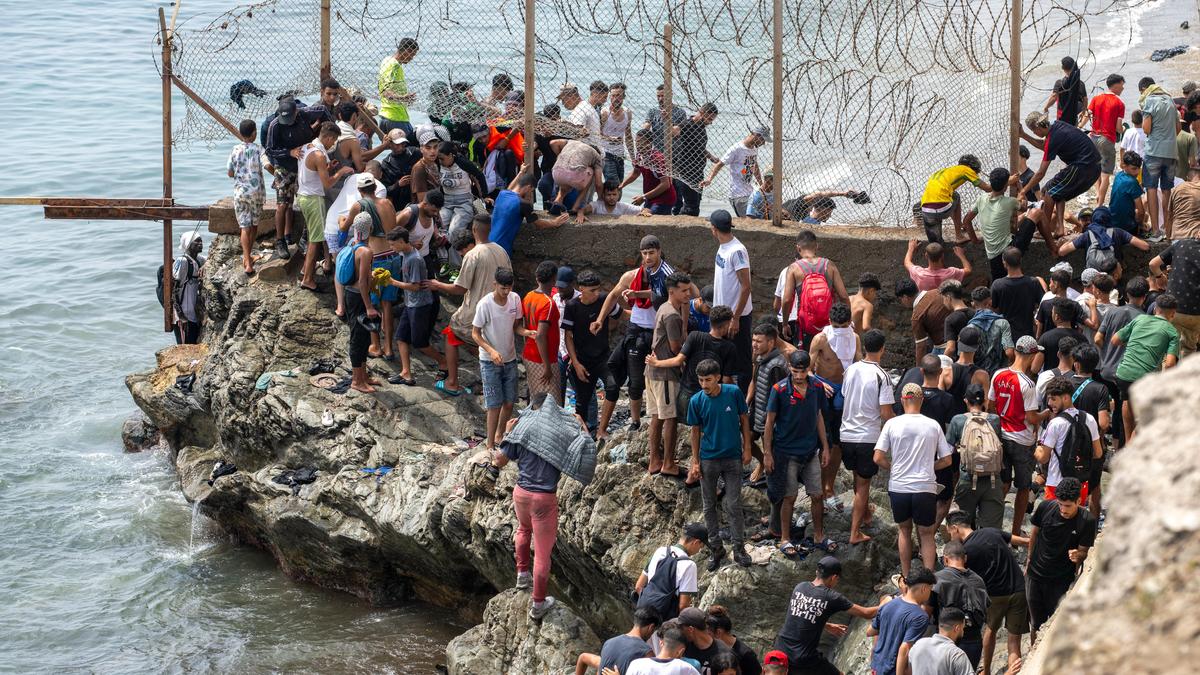
“They told us we would have a place of refuge in Spain, and it was a lie”. That is how one migrant described his journey to Ceuta. He was among tens of thousands who believed Europe had finally opened its doors. Some scrambled over razor-wire fences. Others slipped through gaps in the chain-link barrier. Many plunged into the Mediterranean wearing wetsuits, kicking with flippers or clutching inflatable rings as they swam towards the tiny Spanish enclave on Morocco’s northern coast.For a few hours, Europe seemed within reach.By Friday evening (July 31, 2026), the illusion had vanished. According to Spain’s Interior Ministry, more than 48,000 migrants had already crossed back into Morocco. Hungry, exhausted, and disappointed, many took the same route they had taken only hours earlier. At least 67 people died in the chaos. Once again, the spotlight fell on Ceuta: a territory barely 15 square km in size but one that has repeatedly found itself at the centre of Europe’s migration politics. Ceuta, together with Melilla, further east, is one of only two Spanish territories on the African mainland. Although both are located on Morocco’s Mediterranean coast, they have remained under Spanish sovereignty for centuries. Today, they constitute the EU’s only land borders with Africa.
Ceuta | A slice of Europe in Africa
Ceuta, Europe's gateway in Africa, highlighting its migration crisis and the harsh reality faced by desperate asylum seekers.
755 words~3 min read