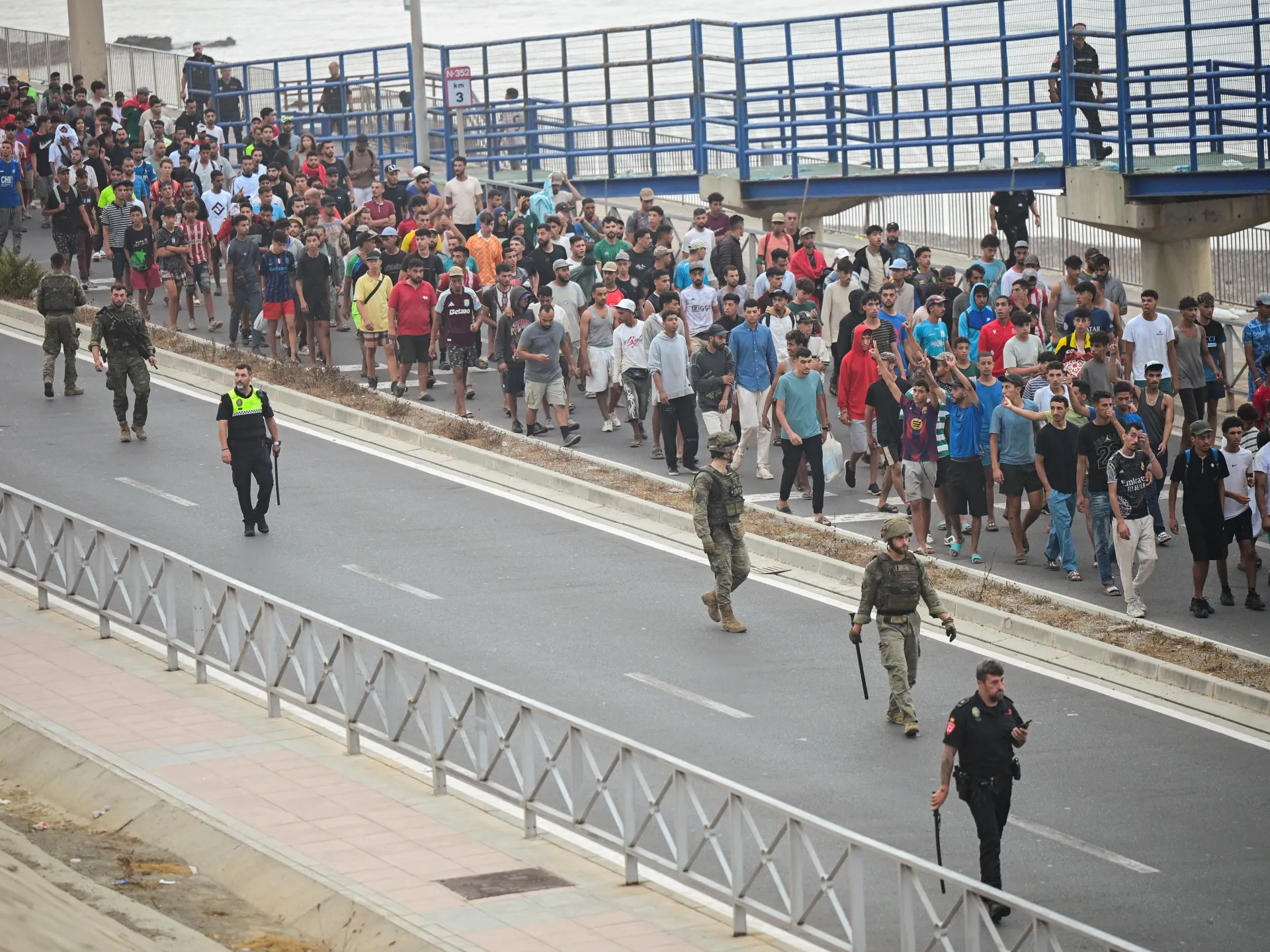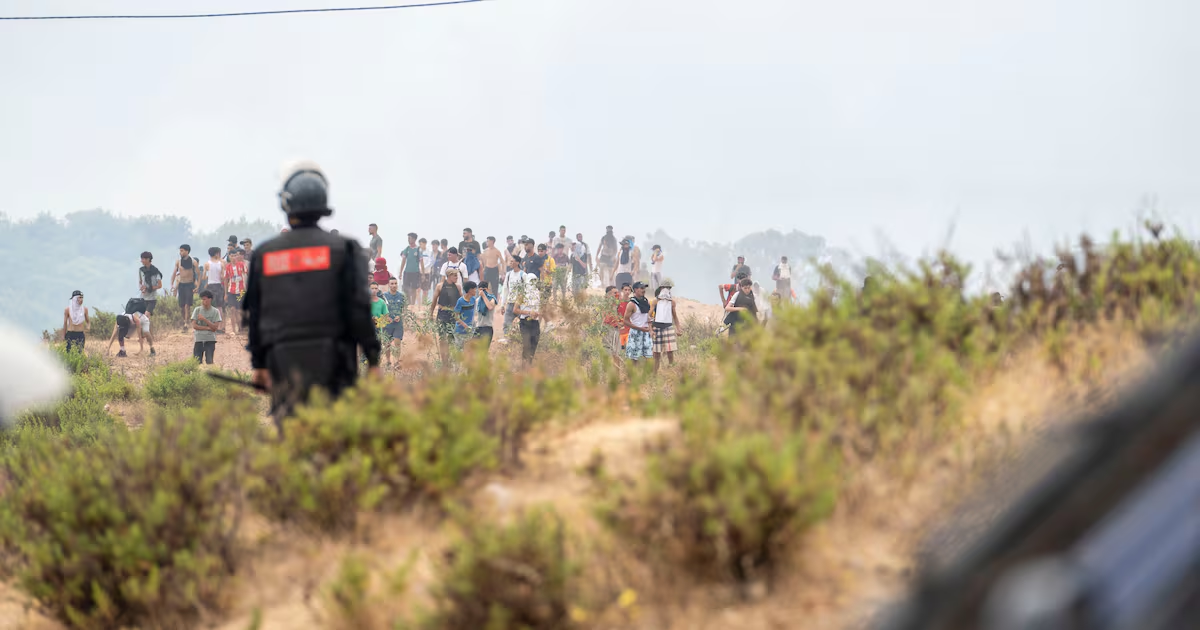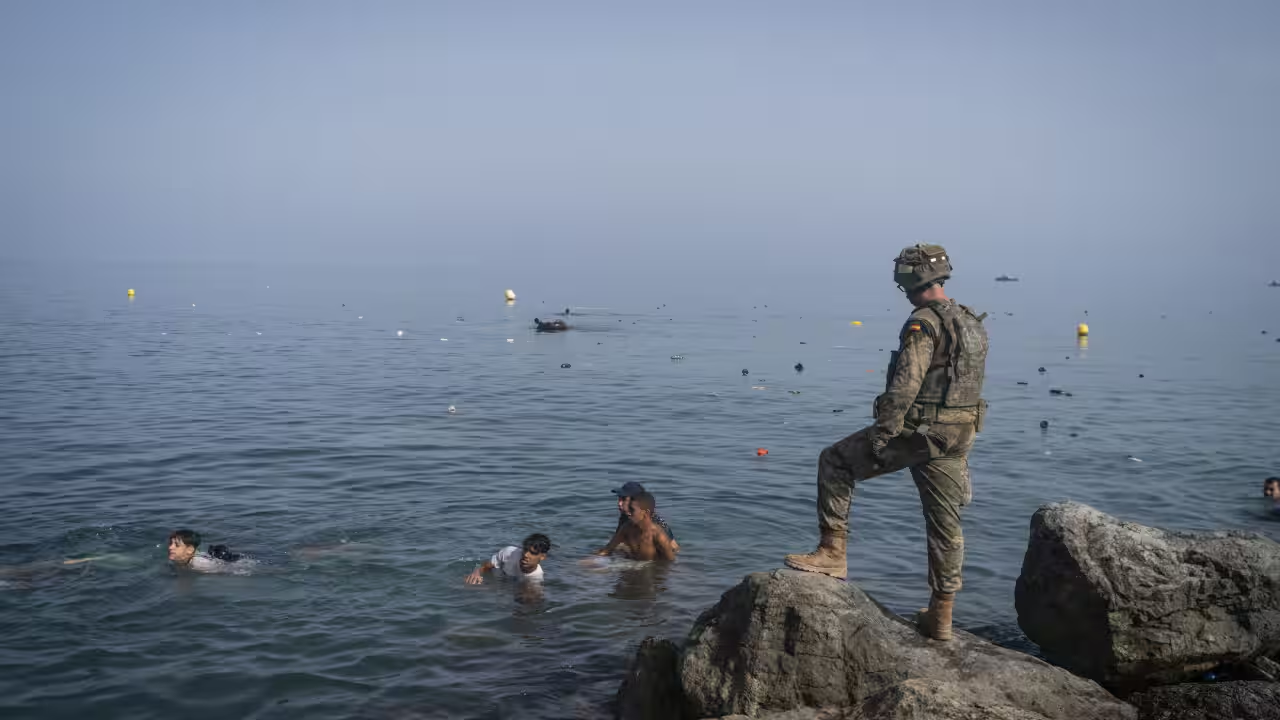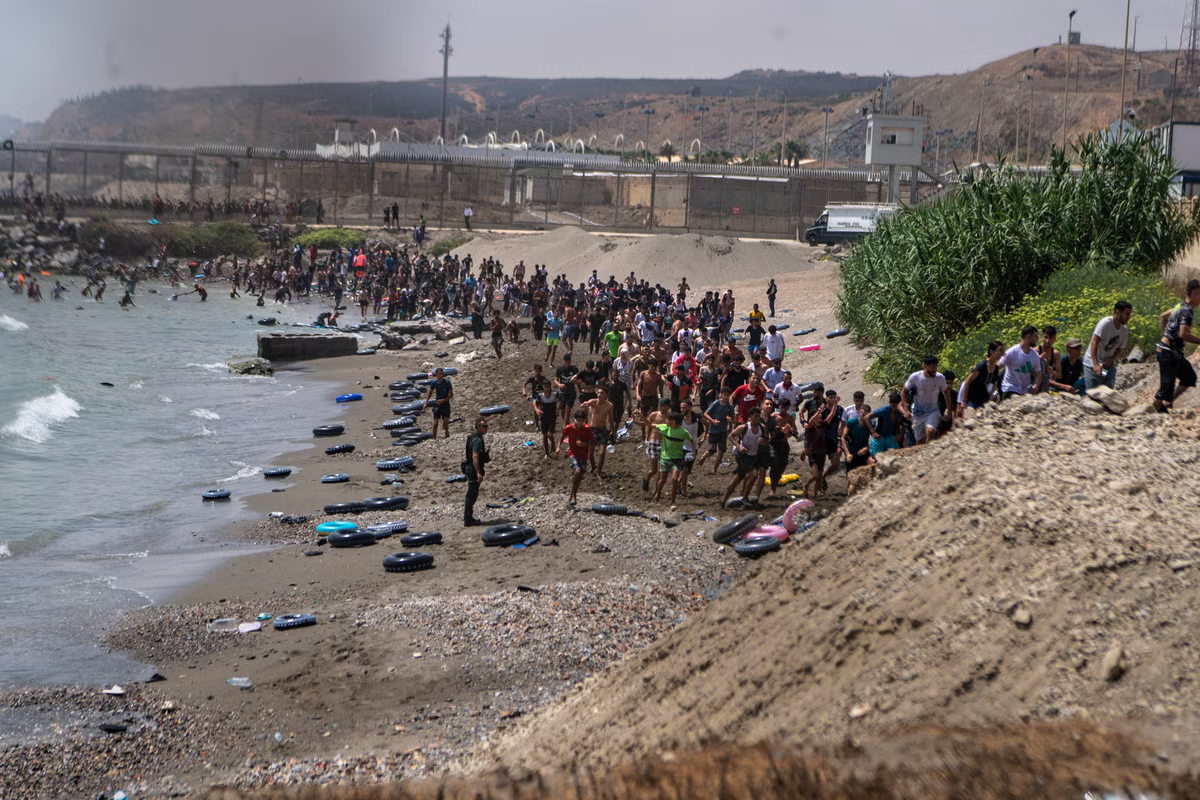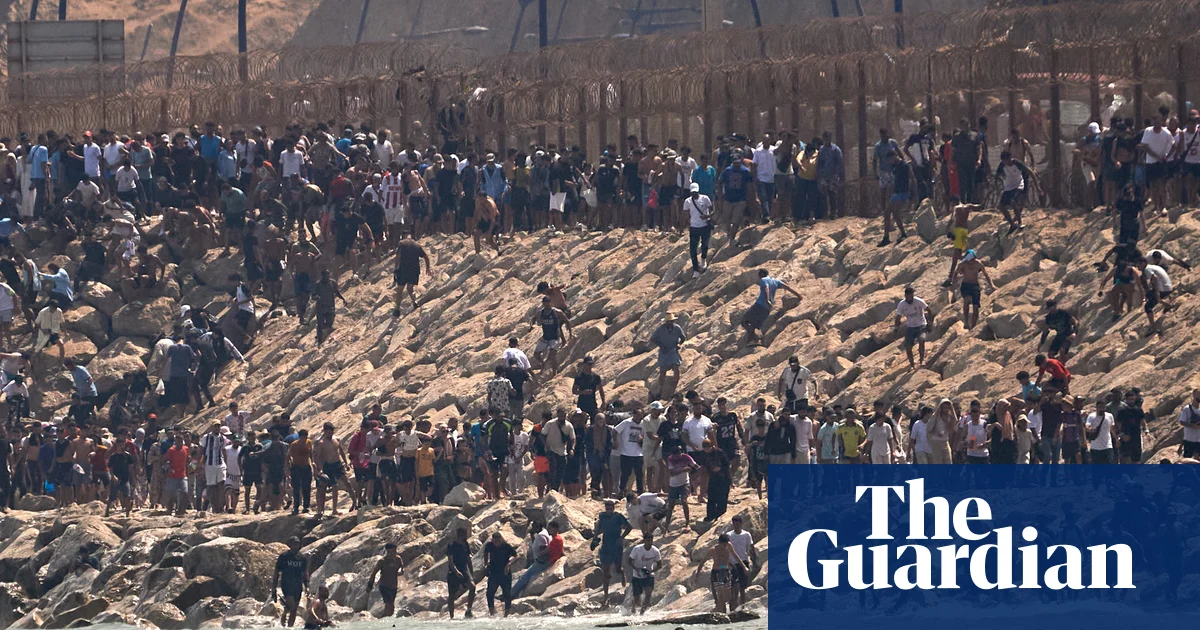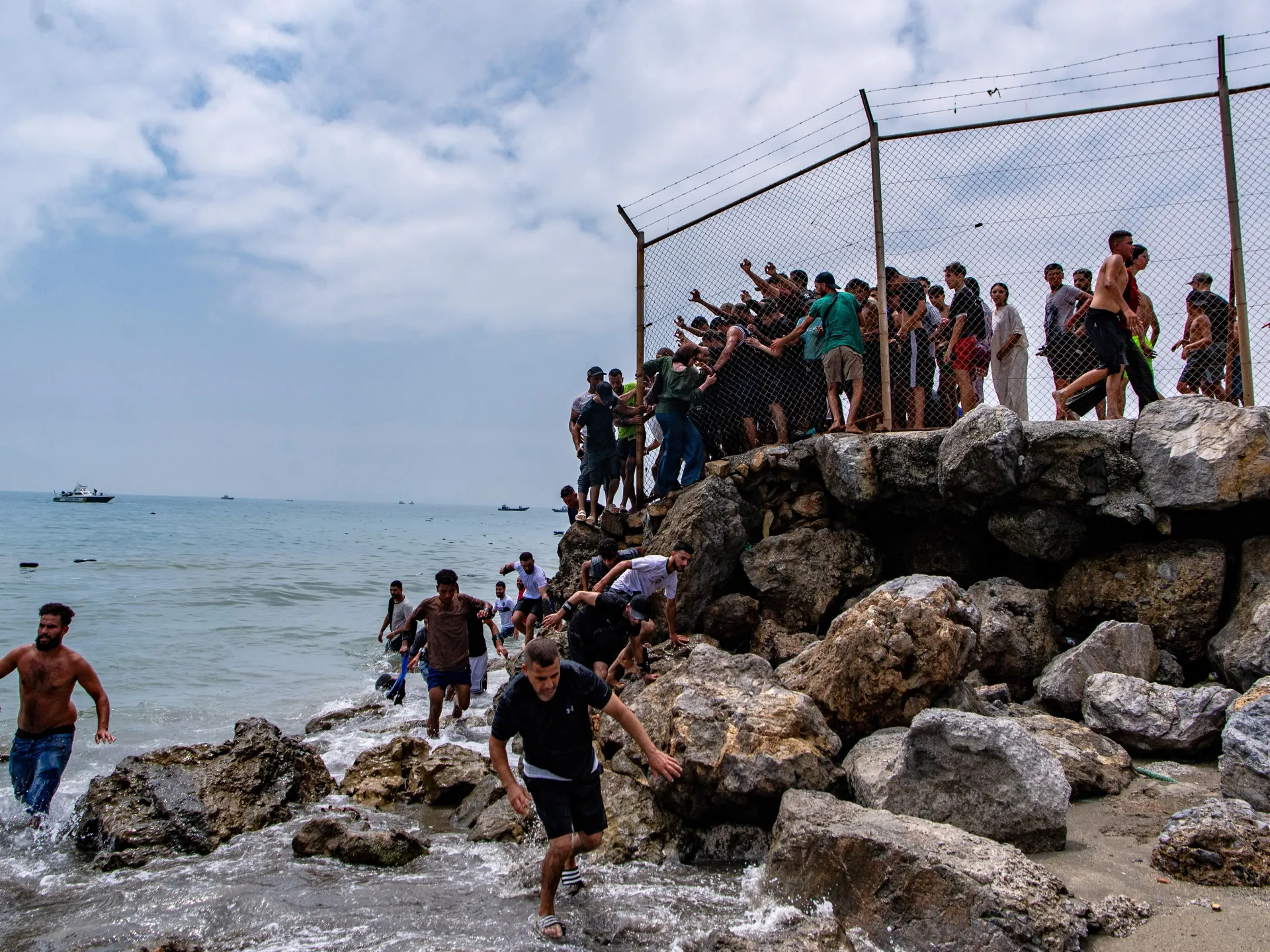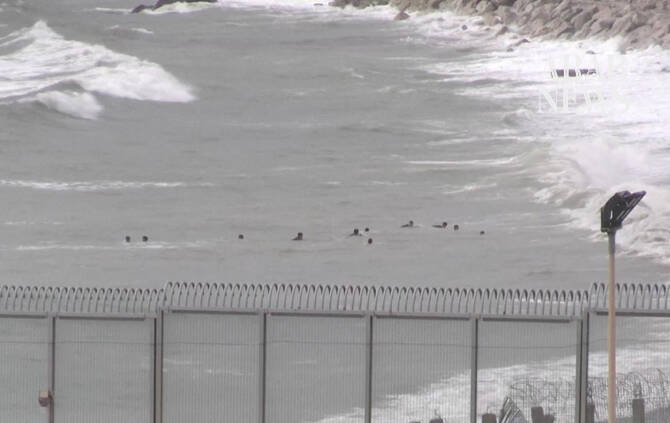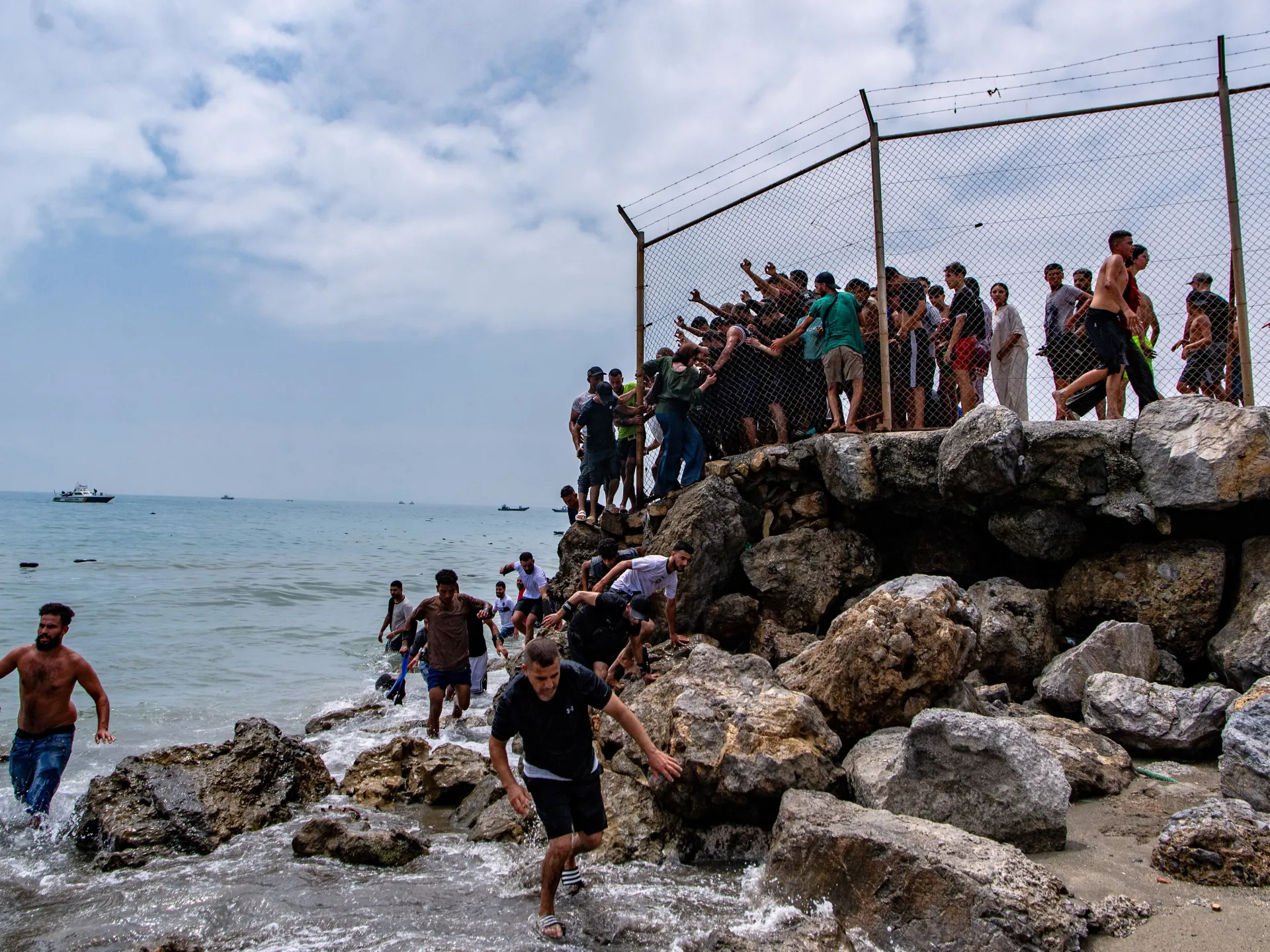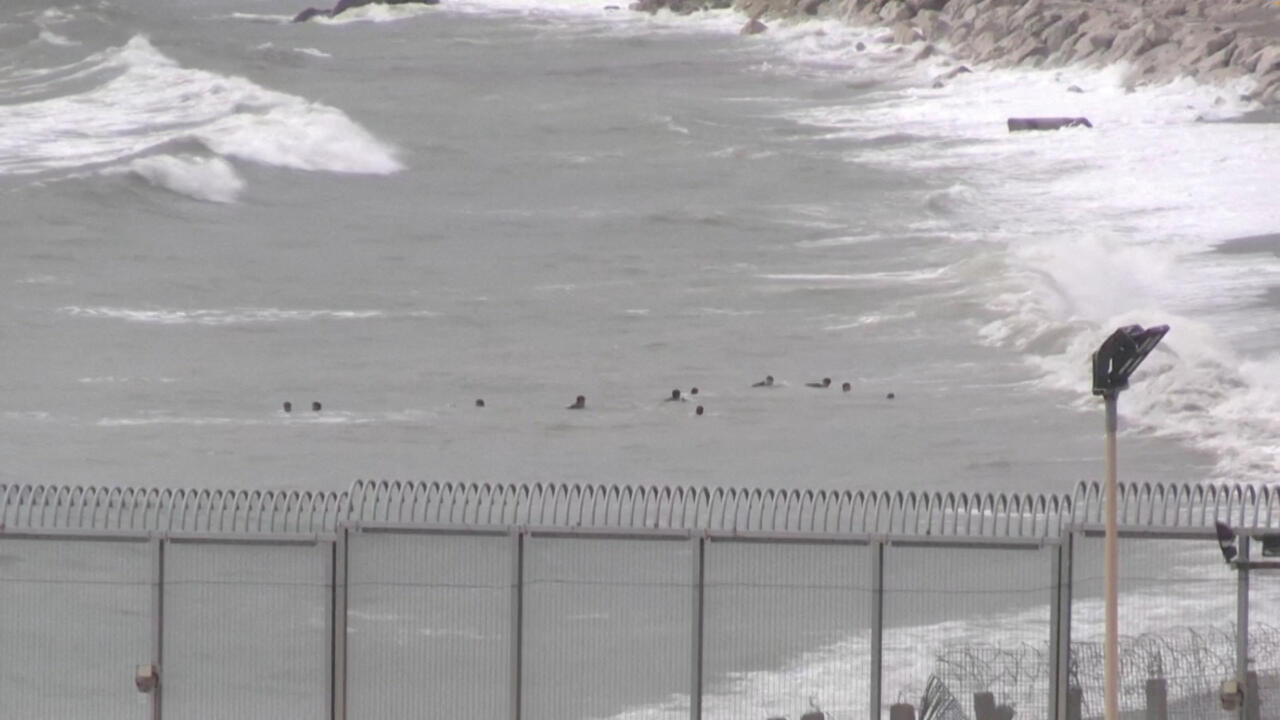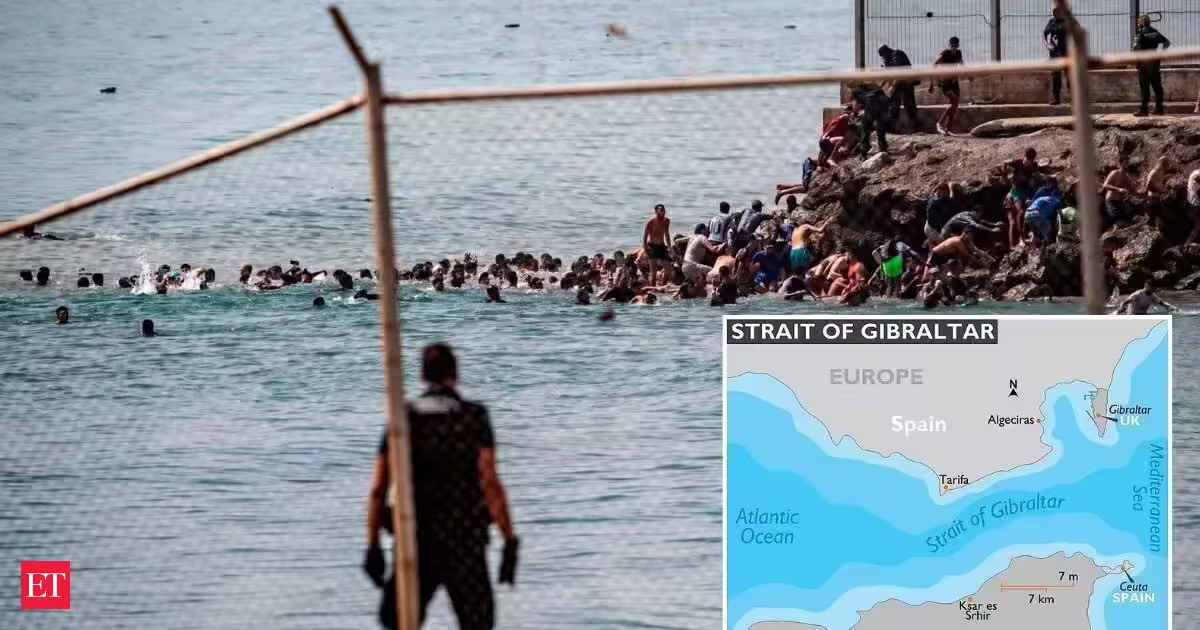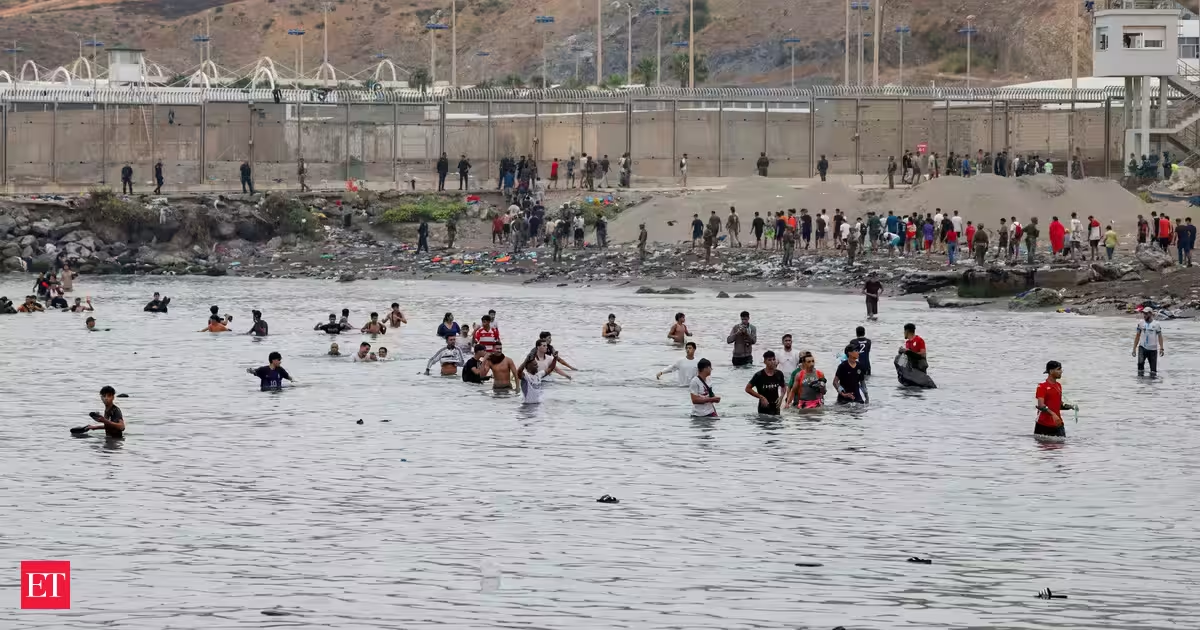
Thousands of migrants attempting to enter the Spanish territory of Ceuta from Morocco have once again thrust the tiny enclave into the global spotlight. Videos showing people swimming around border barriers, scaling fences, and crossing into the territory have gone viral, marking one of the biggest migration surges in recent years.But why does Spain have territory in North Africa, and why is Ceuta so important?What is Ceuta?Ceuta is a small Spanish territory on the northern coast of Africa. Covering just about 18 square kilometres, it sits on the Mediterranean Sea and shares its only land border with Morocco. Although geographically located in Africa, Ceuta is an autonomous city of Spain and forms part of the European Union.— AP (@AP) Its strategic location, just across the Strait of Gibraltar from mainland Spain, makes it one of Europe's most closely watched external borders.The city has a population of around 85,000 people, comprising Christians, Muslims, and residents of both Spanish and Moroccan heritage. Every day, many Moroccan workers cross the border into Ceuta for employment and trade.How did Spain acquire Ceuta?Ceuta's history stretches back thousands of years. It was once a Roman settlement before coming under Arab rule. Portugal captured the city in 1415, and when the Portuguese and Spanish crowns were united in the late 16th century, Ceuta came under Spanish administration. It has remained under Spanish sovereignty since 1640.Today, Ceuta enjoys the same autonomous status as other Spanish regions, with its own local government while remaining an integral part of Spain.Why is Ceuta at the centre of Europe's migration crisis?Ceuta represents one of only two land borders between the European Union and Africa, the other being the nearby Spanish enclave of Melilla.For migrants hoping to reach Europe, entering Ceuta means setting foot on EU territory. As a result, the enclave has become a major destination for people fleeing conflict, poverty, or seeking better economic opportunities.Many migrants first travel to the Moroccan border towns of Fnideq or Belyounech, located just a few kilometres from Ceuta. From there, they attempt dangerous crossings by swimming around the coastal border barriers or climbing or cutting through the high security fences and even attempt mass crossings during periods of reduced border enforcement.These journeys often carry significant risks, and several migrants have died or suffered injuries while trying to enter the enclave.Why does Morocco dispute Ceuta?Despite Spain's long control of Ceuta, Morocco considers both Ceuta and Melilla to be Moroccan territory still under Spanish occupation.Spain rejects those claims and maintains that both cities are an inseparable part of the country. The disagreement has remained a recurring source of diplomatic tension between Madrid and Rabat for decades.Because Spain relies heavily on cooperation with Morocco to manage migration, relations between the two countries often influence the number of attempted crossings into Ceuta.To prevent illegal crossings, Ceuta is surrounded by heavily fortified border infrastructure, including double security fences topped with barbed wire, surveillance cameras and sensors. Spanish police and military deployments during periods of heightened migration pressure. There are watchtowers and regular border patrols as well.Despite these measures, large groups of migrants have repeatedly managed to breach or bypass the barriers.What about Melilla?Melilla, Spain's other North African enclave, lies farther east along Morocco's Mediterranean coast. It covers around 12 square kilometres and has a population of about 87,000.Like Ceuta, Melilla has been under Spanish control for centuries, serves as an autonomous city, and is claimed by Morocco. It also acts as a key gateway for migrants attempting to reach Europe.
Why Spain has a city in Africa: The 2,000-year story of Ceuta at the center of Europe's migrant flashpoint
Thousands of migrants are attempting to enter Spain's Ceuta enclave from Morocco. Ceuta is a small Spanish territory located on the African continent. This enclave serves as one of Europe's most closely watched external borders. Morocco disputes Spain's sovereignty over Ceuta and Melilla, its other enclave. These territories remain politically sensitive border regions for Europe and migrants.
580 words~3 min read