Ogori maidens
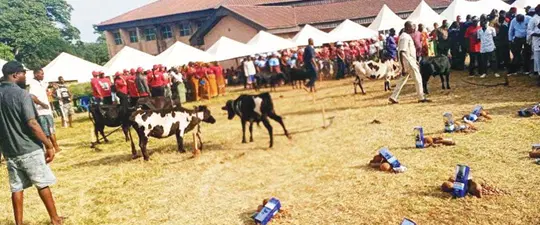
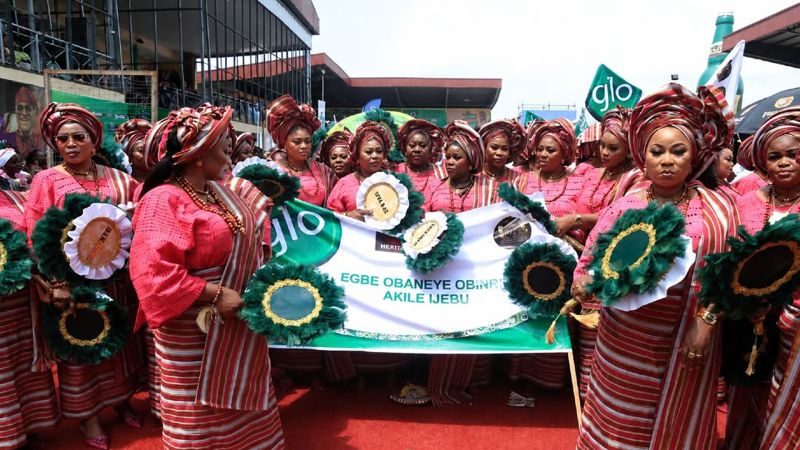
As Ogori prepares to celebrate its New Year on Thursday, 6 August, the second Ebina, this article examines the indigenous four-day calendar through which generations of our people have reckoned with time, organised economic life and coordinated communal obligations. Beyond the annual celebration and the much-anticipated Ewe-eji market, the Ogori New Year offers an important window into an indigenous knowledge system that has survived alongside the Gregorian calendar and deserves deliberate documentation and transmission to future generations.
Introduction
Across Africa, communities developed indigenous systems for measuring time and organising social and economic life long before the widespread adoption of the Gregorian calendar. These systems emerged from the lived realities of the societies that created them and reflected their understanding of seasons, agriculture, commerce, communal obligations and the recurring rhythms of collective existence. In Ogori, we maintain such a system, structured around a four-day week that continues to shape markets, ceremonies and communal life. The annual Ogori New Year, observed on the second Ebina in the Gregorian month of August, remains one of its most visible expressions and presents an important opportunity for cultural reflection, education and documentation.