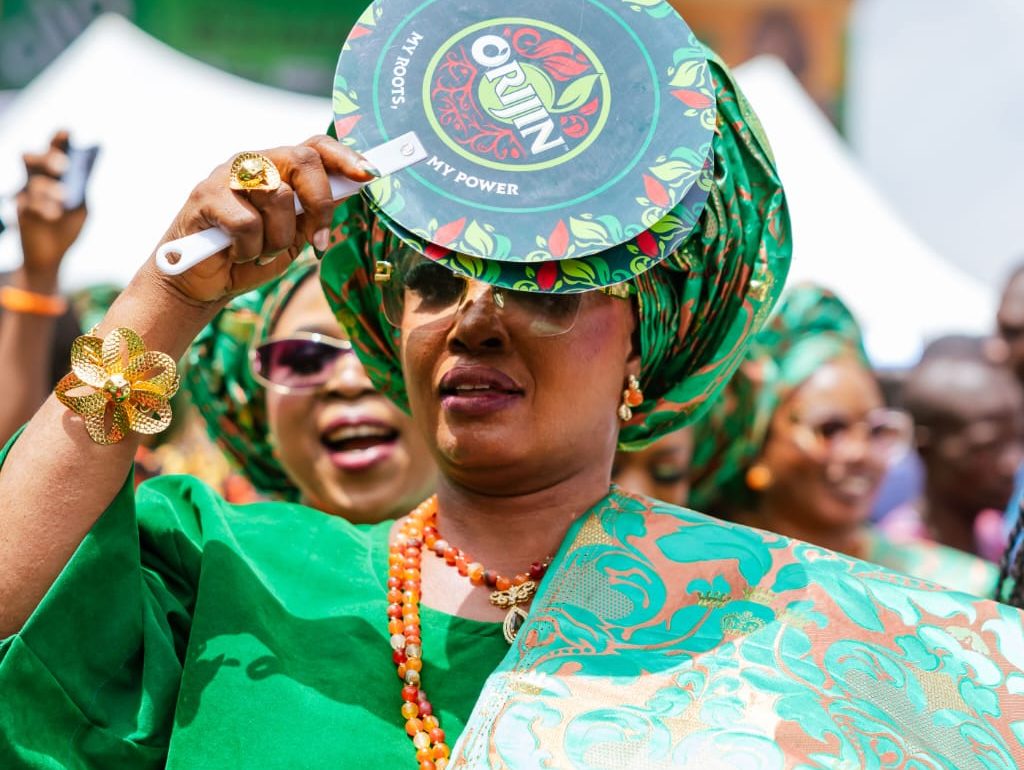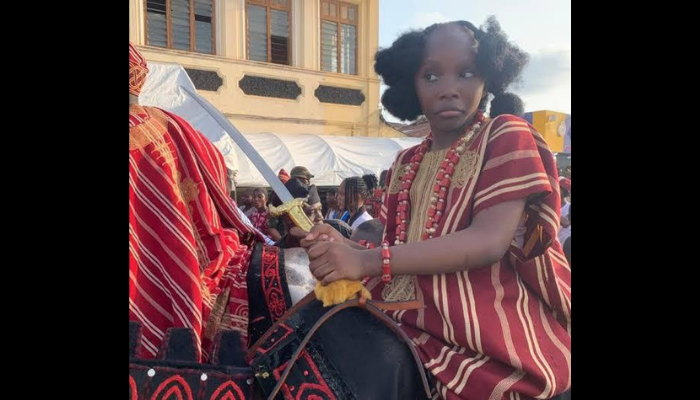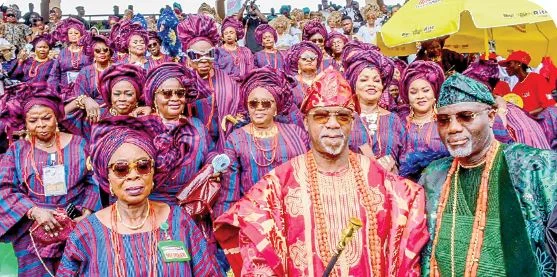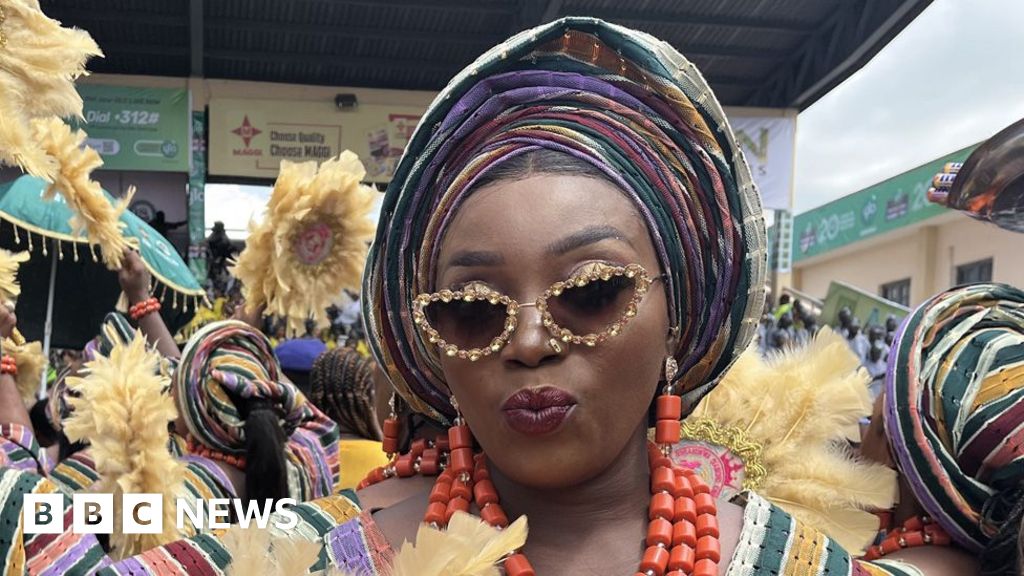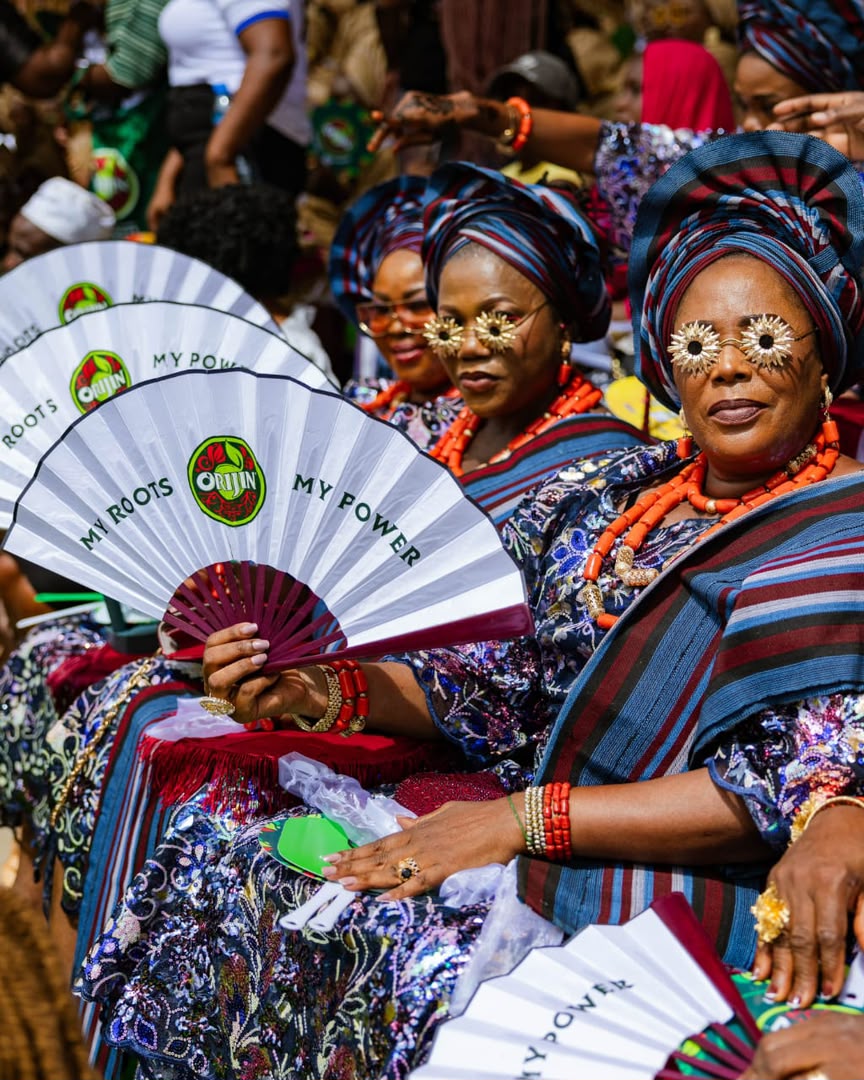
In Ijebu-Ode this year, culture didn’t just show up – it moved. It moved through colour, through rhythm, through generations. It moved in the synchronized elegance of the regberegbe, in the confidence of tailored Aso-Oke, in the sound of drums echoing heritage into the present. At the centre of it all, Orijin didn’t just take part. It amplified the movement.
Ojude Oba has always been a powerful cultural gathering. However, 2026 carried a deeper meaning. Following the passing of Oba Sikiru Kayode Adetona, the festival returned in a moment of transition – not of silence, but of continuity and of celebration. What unfolded was a powerful reminder: culture does not pause. It evolves.
This year, it did so boldly.
From the pavilion to the streets, culture revealed itself not as something preserved but as something actively expressed in fashion, presence, and energy.
Away from the main arena, the Orijinal Village became the pulse point of that expression. More than a gathering spot, it was where culture found a new rhythm – one shaped by a generation redefining what it means to belong.