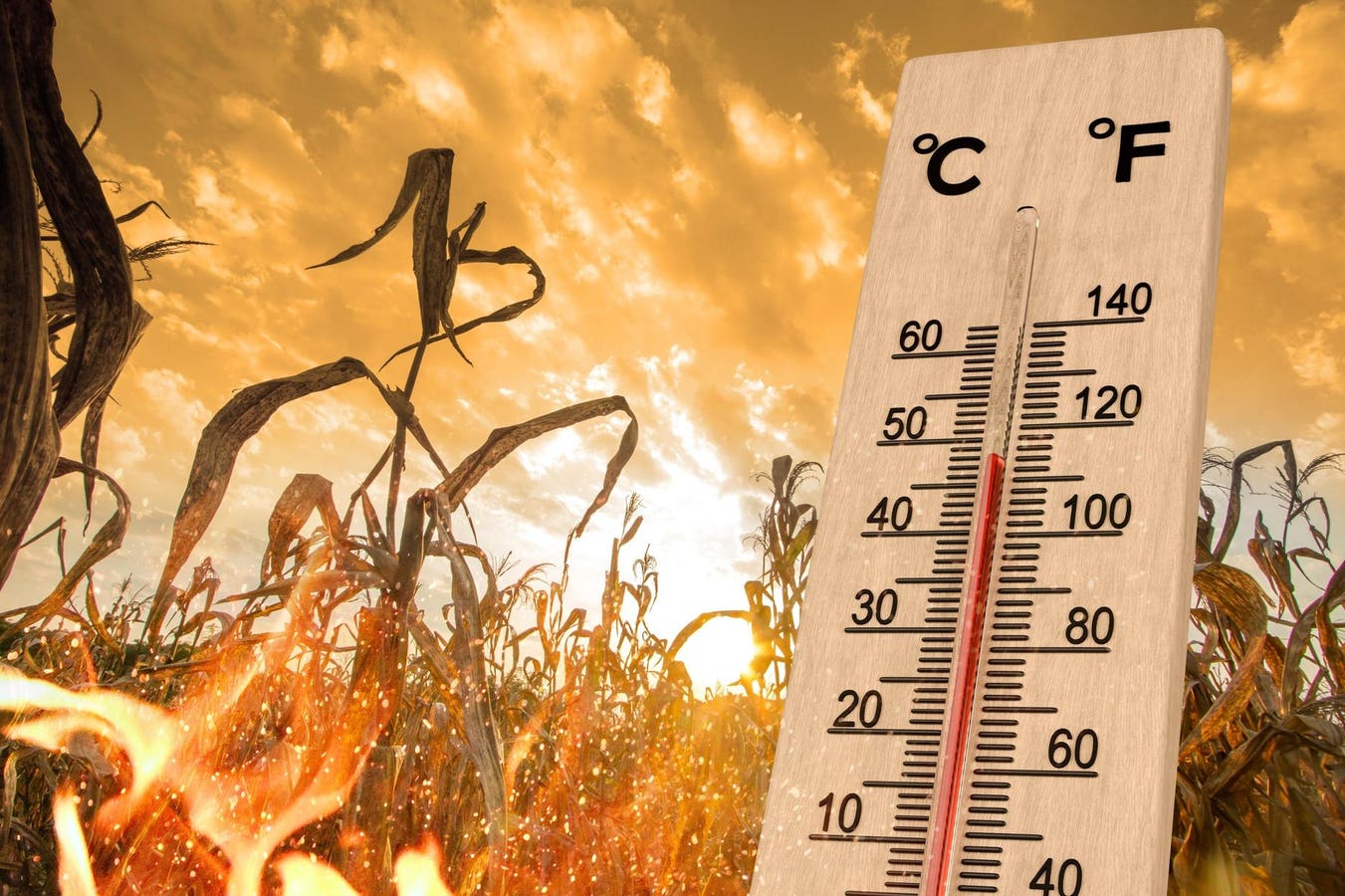
Extreme heat now poses a greater threat to global food inflation than geopolitical conflict, according to Oxford Economics.
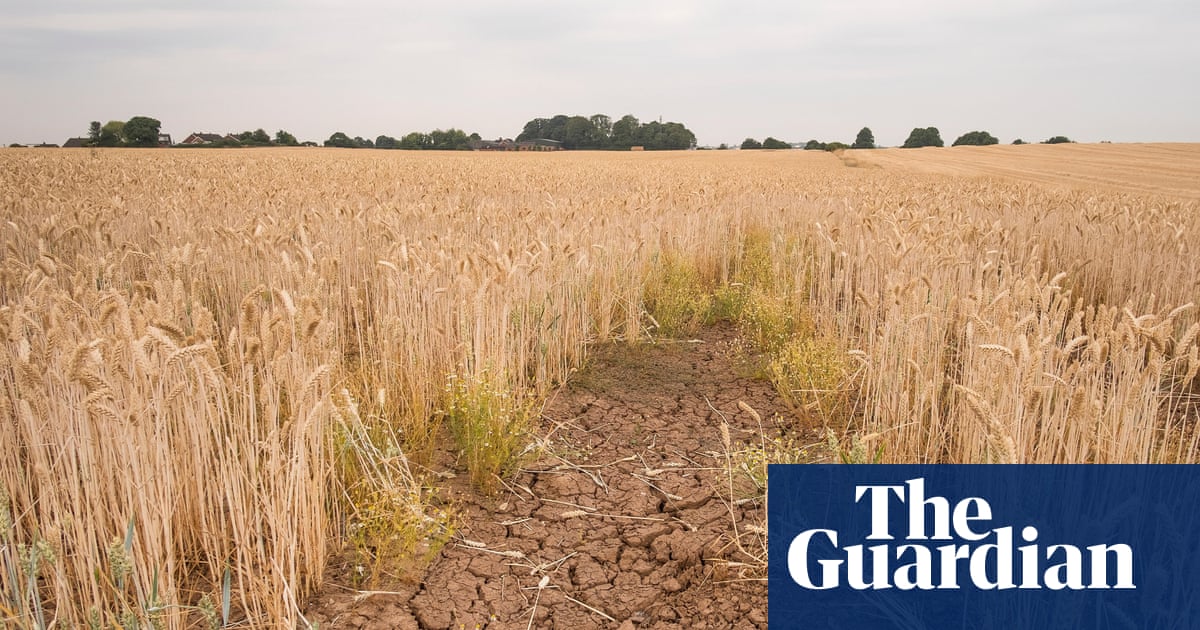
A war choked the Strait of Hormuz. A heatwave erased roughly 9 million tonnes from EU and UK grain forecasts. Oxford Economics now expects the weather to add more to 2027 food inflation than the fading war shock. The next inflation problem may begin not at an oil terminal, but in a field that became too hot to produce a harvest.
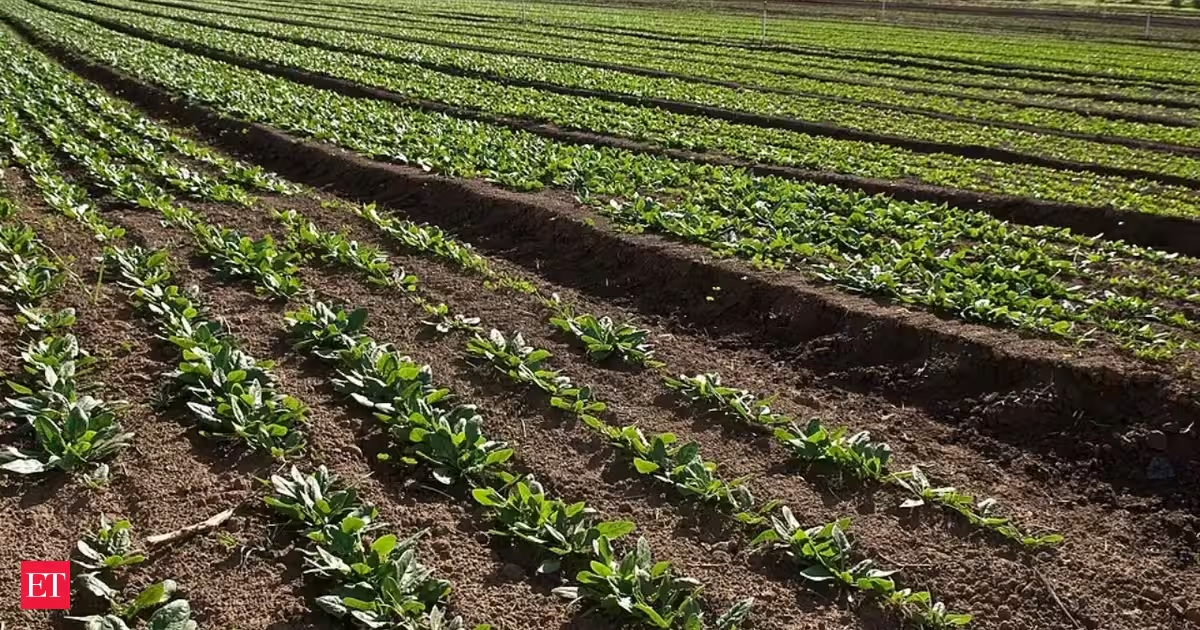
Benoît Merlo spent ten years preparing his farm in Auvergne-Rhône-Alpes for a hotter France: cover crops to hold moisture, rotations to spread risk, seed varieties bred for heat and drought. Then came a June in which the thermometer refused to drop. “With temperatures exceeding 38°C for weeks on end, everything is breaking down,” he said in a statement released by the Energy and Climate Intelligence Unit. He expects to lose half of some crops, and up to 70 percent of his soya.
Merlo did what farmers are constantly told to do: adapt. He invested, changed and prepared. The heat still crossed the line his preparations could defend. That makes his story more than a farming story. It is an inflation story, and the most striking macroeconomic claim of this summer came not from a central banker but from a crop forecast.