Serving tech enthusiasts for over 25 years.
TechSpot means tech analysis and advice you can trust.
Forward-looking: Researchers have developed a prototype device that converts infrared light into full-color images, offering a different approach to night vision that goes beyond the usual monochrome displays. The system, built by a team at the Beijing Institute of Technology, uses mercury telluride quantum dots paired with a dual-layer OLED. Instead of translating infrared into a single color based on brightness, the device maps different wavelengths and intensities into distinct visible colors.
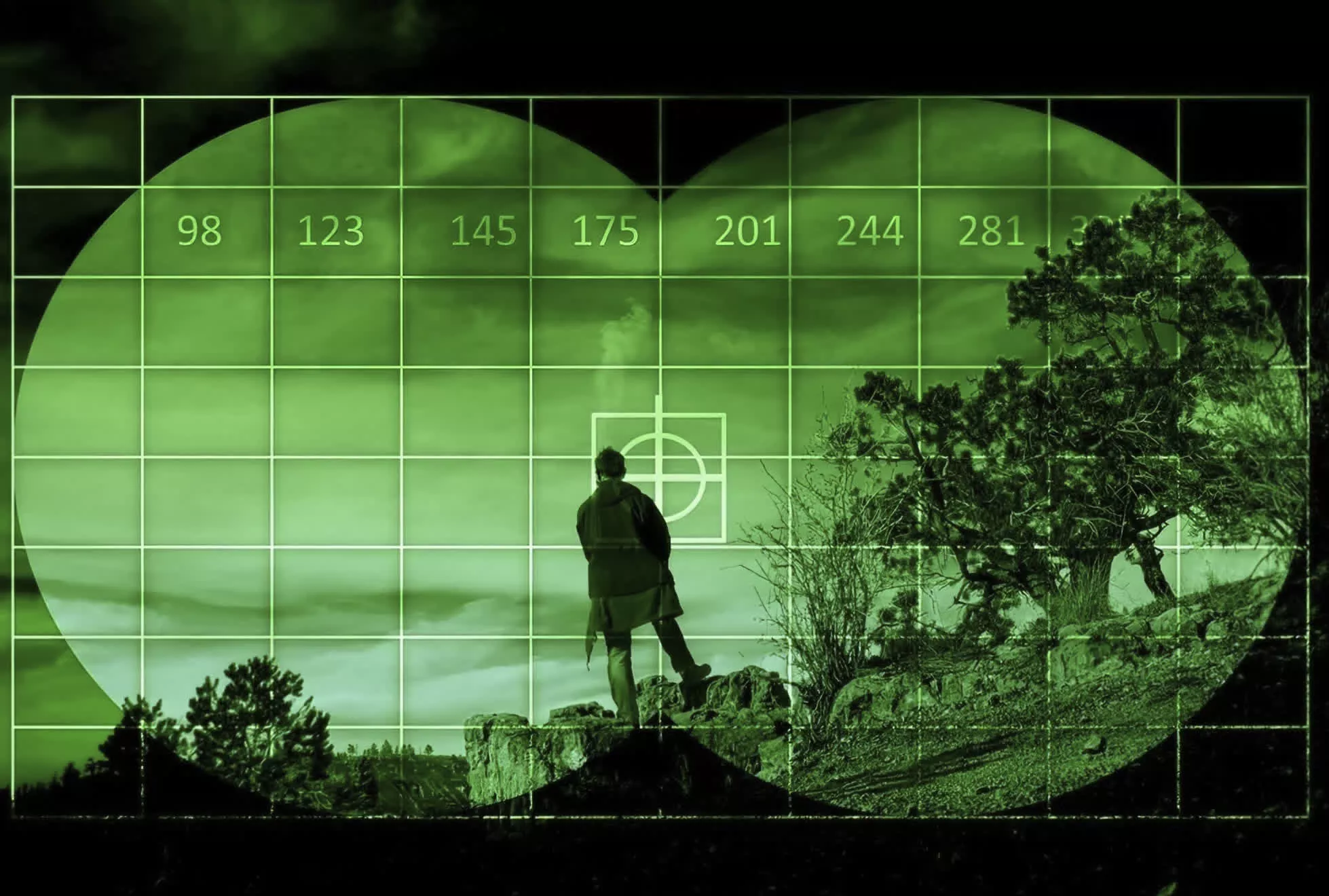
That distinction is key. Traditional infrared imaging systems rely on detectors that capture a broad range of wavelengths but don't preserve much detail about them, so the output is typically rendered as brightness differences in a single color, often green. Effective as that is, it doesn't take advantage of how well the human eye can distinguish subtle color changes.
The new design tackles that limitation at the material level. The quantum dots used in the device are only a few nanometers in size, which gives them discrete energy states.