Serving tech enthusiasts for over 25 years.
TechSpot means tech analysis and advice you can trust.
Looking ahead: The idea of a car that appears to swallow light rather than reflect it has lingered on the fringes of materials science for years. Now, a group of researchers says it has taken a step toward that goal with a new composite coating that combines extreme light absorption with practical durability.
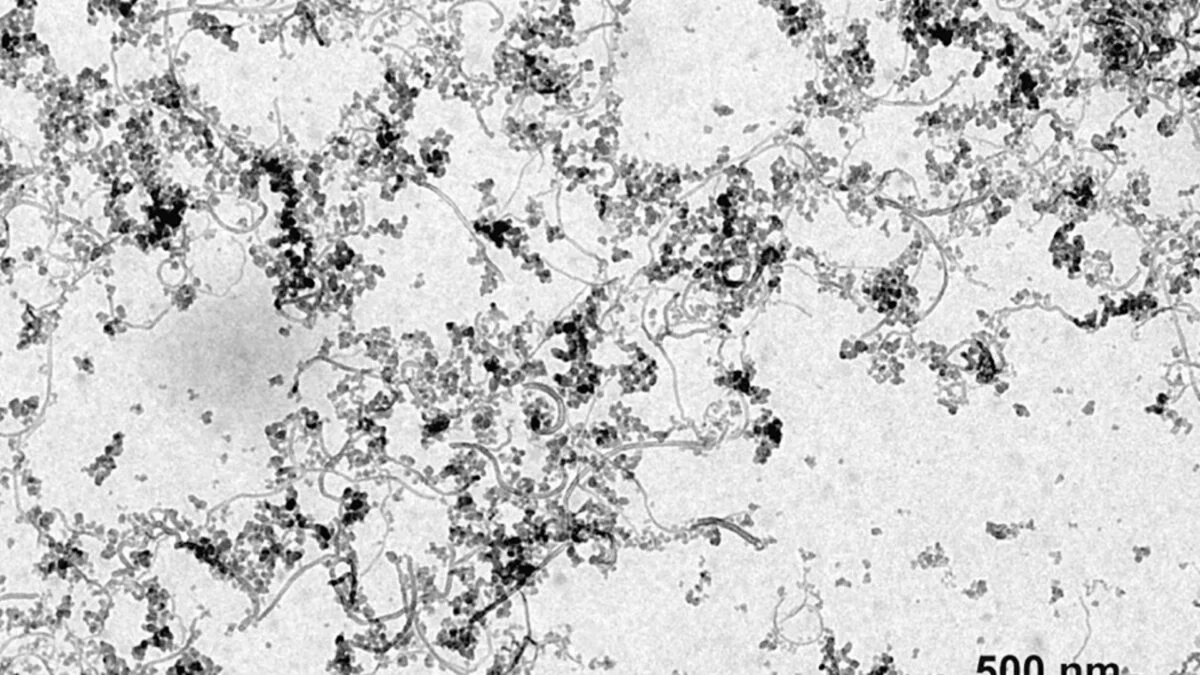
A team at Nipsea Group, working through its Color Technology and core R&D unit in Shanghai, has developed what it describes as an "ultra-black coating" capable of absorbing roughly 99.9% of visible light. The material is clearly inspired by Vantablack, the carbon nanotube coating that makes objects look almost flat and featureless.
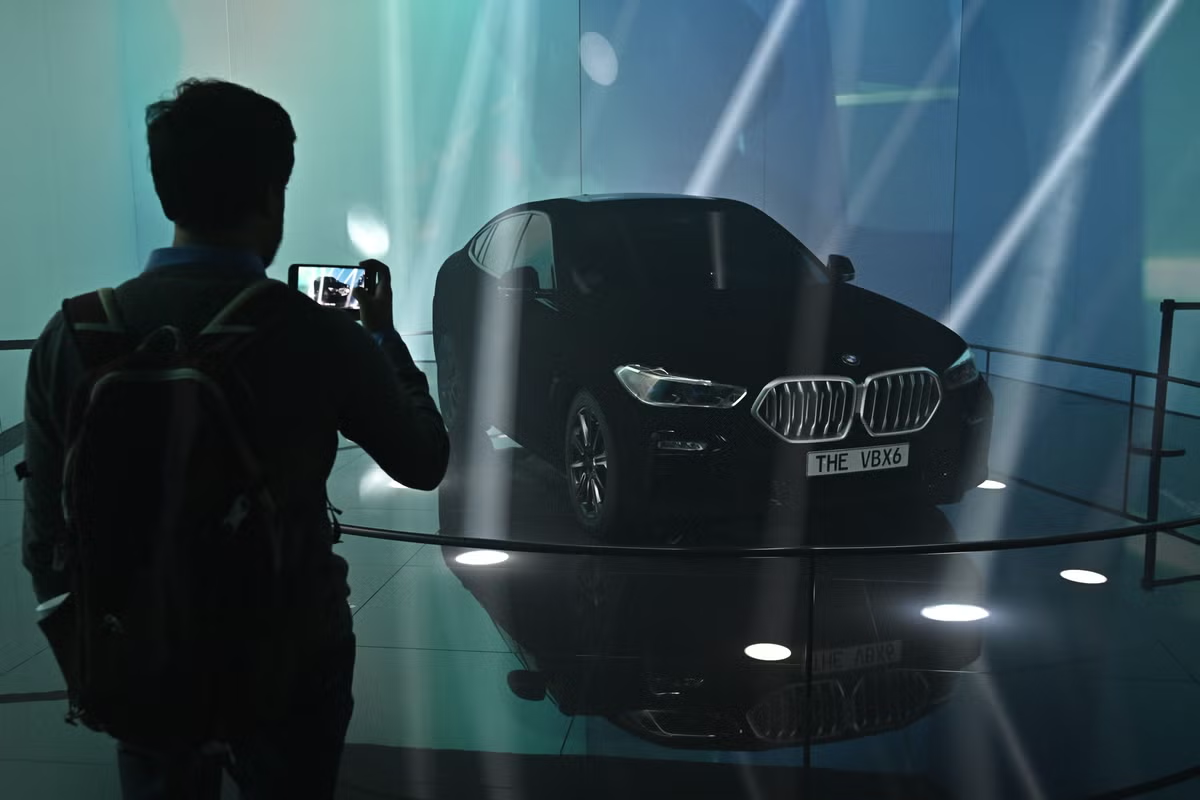
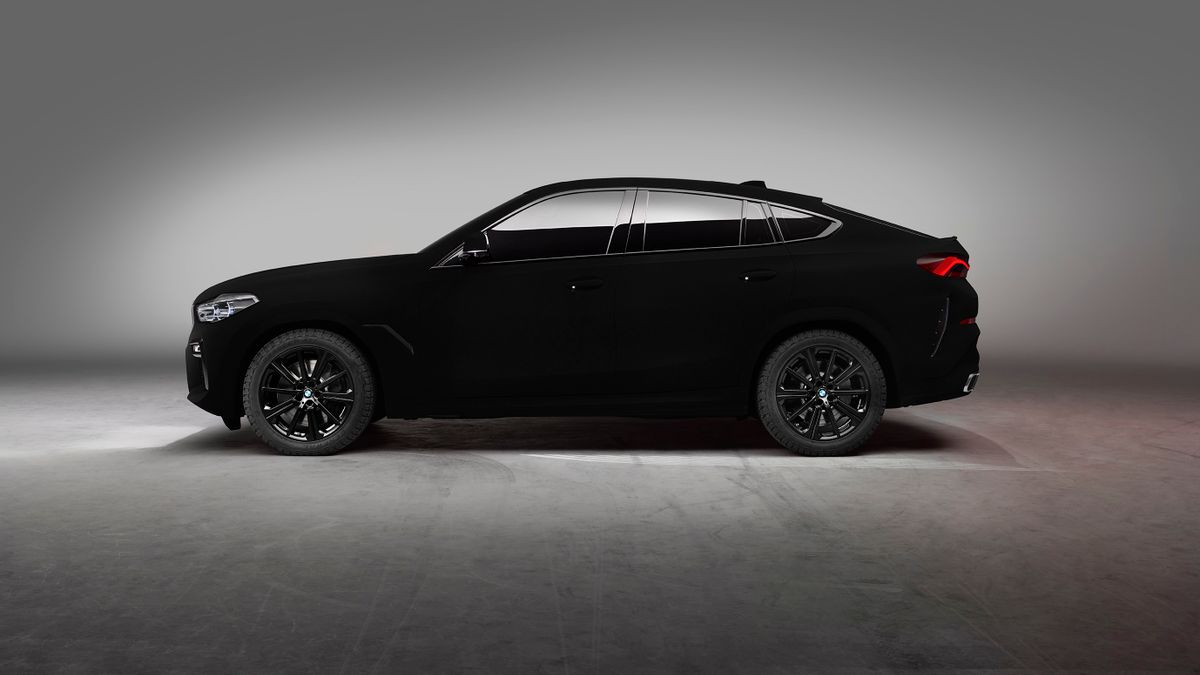
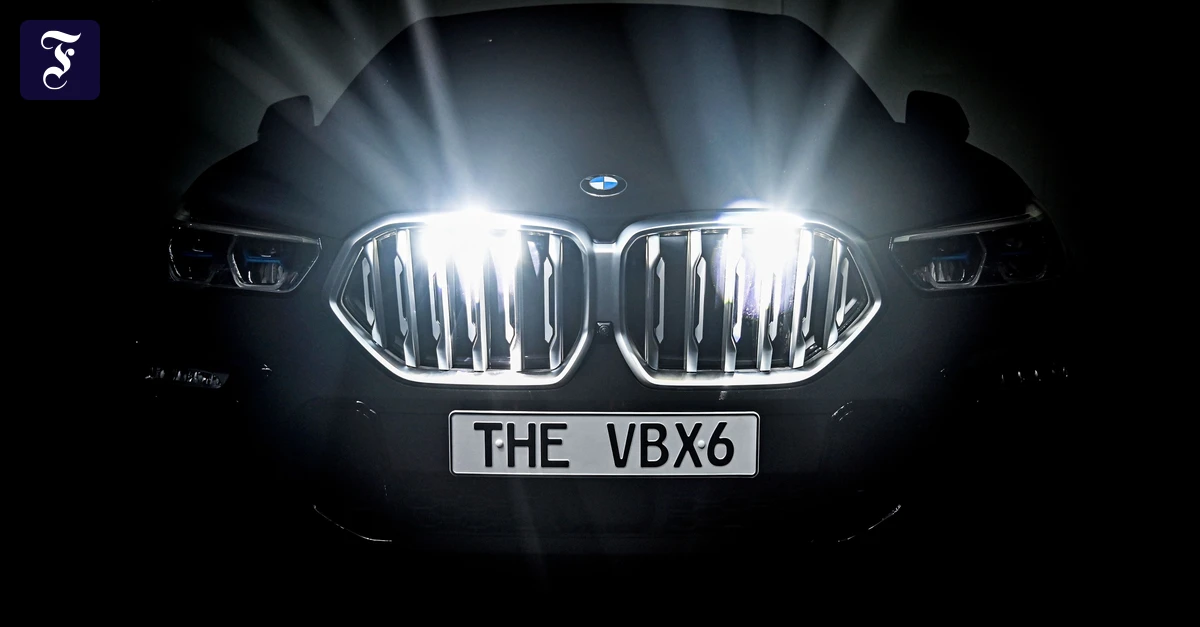
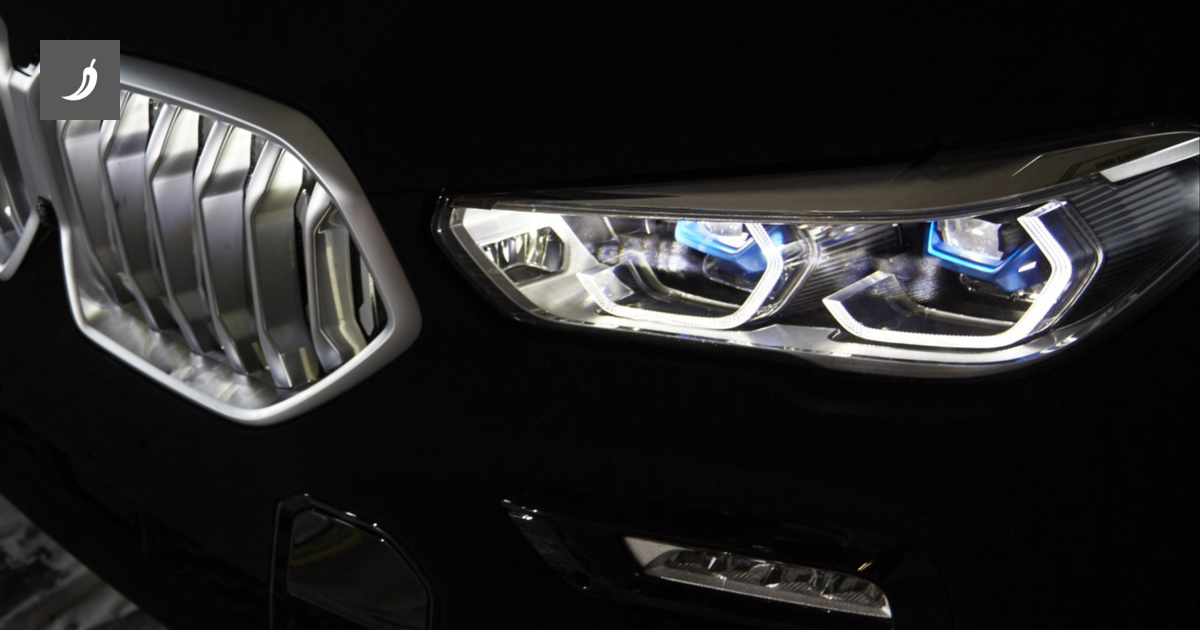
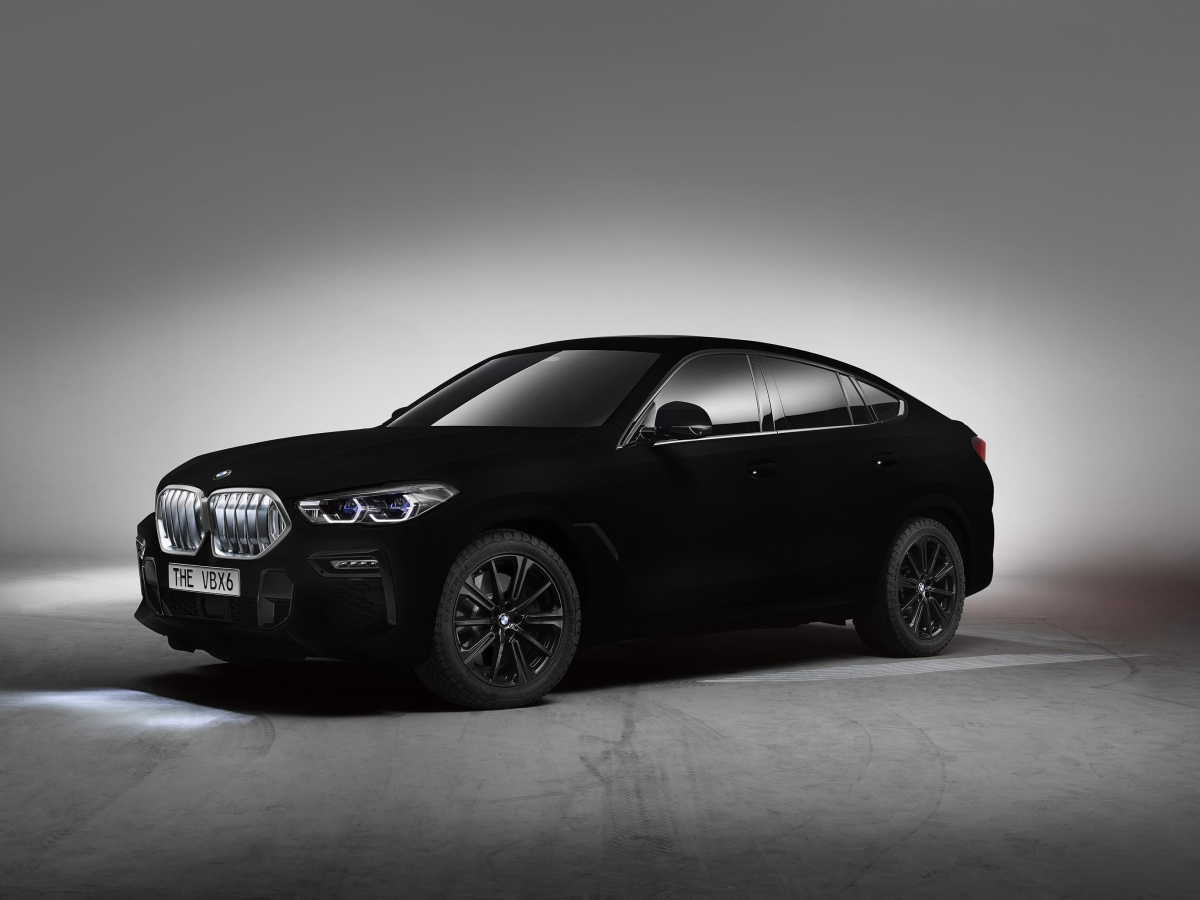
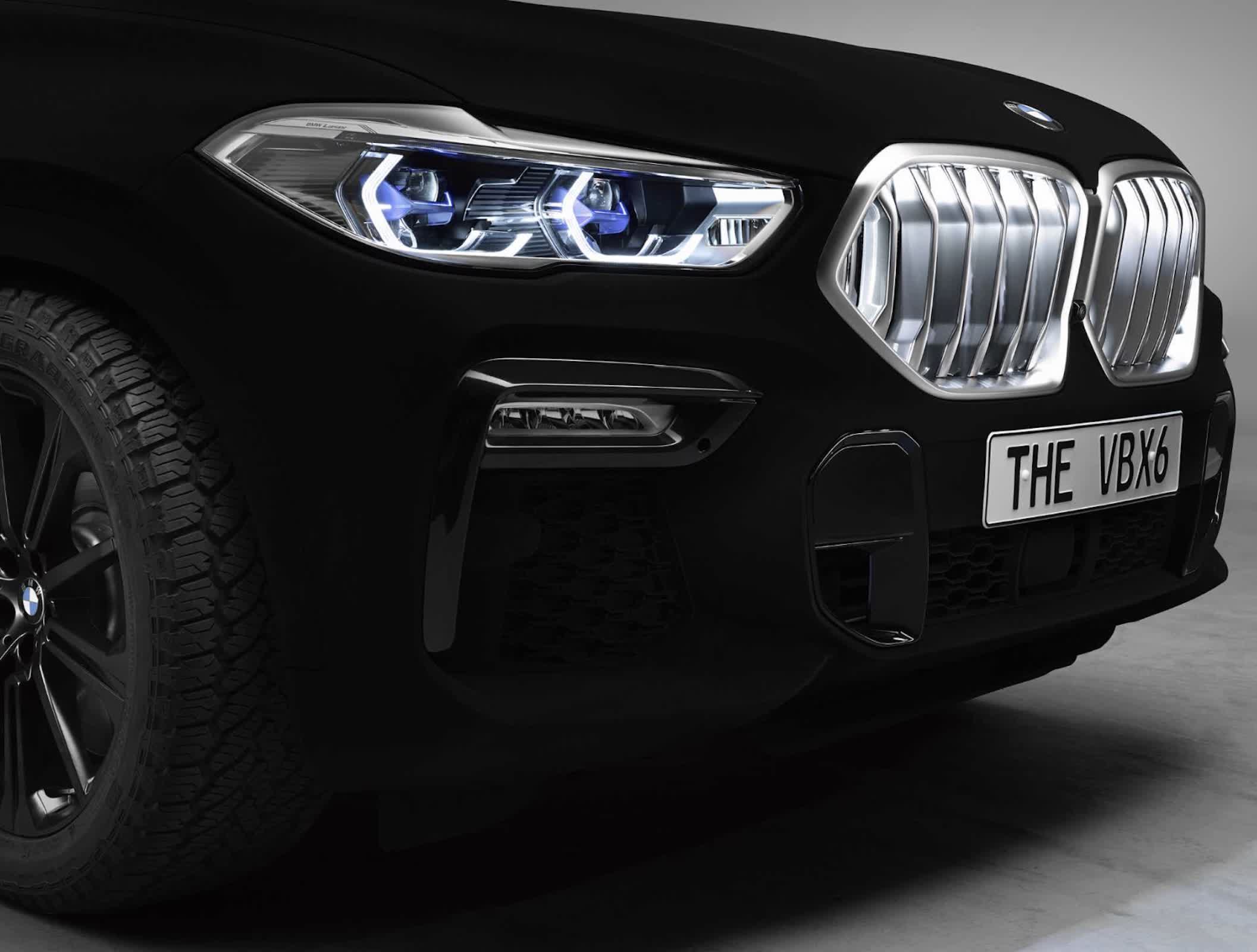
That visual effect has been demonstrated before, most notably when BMW applied Vantablack to a 2019 X6 concept vehicle. The automaker said at the time that "a surface coated in Vantablack loses its defining features to the human eye, with objects appearing two-dimensional," adding that the effect "can be interpreted by the brain as staring into a hole or even a void."