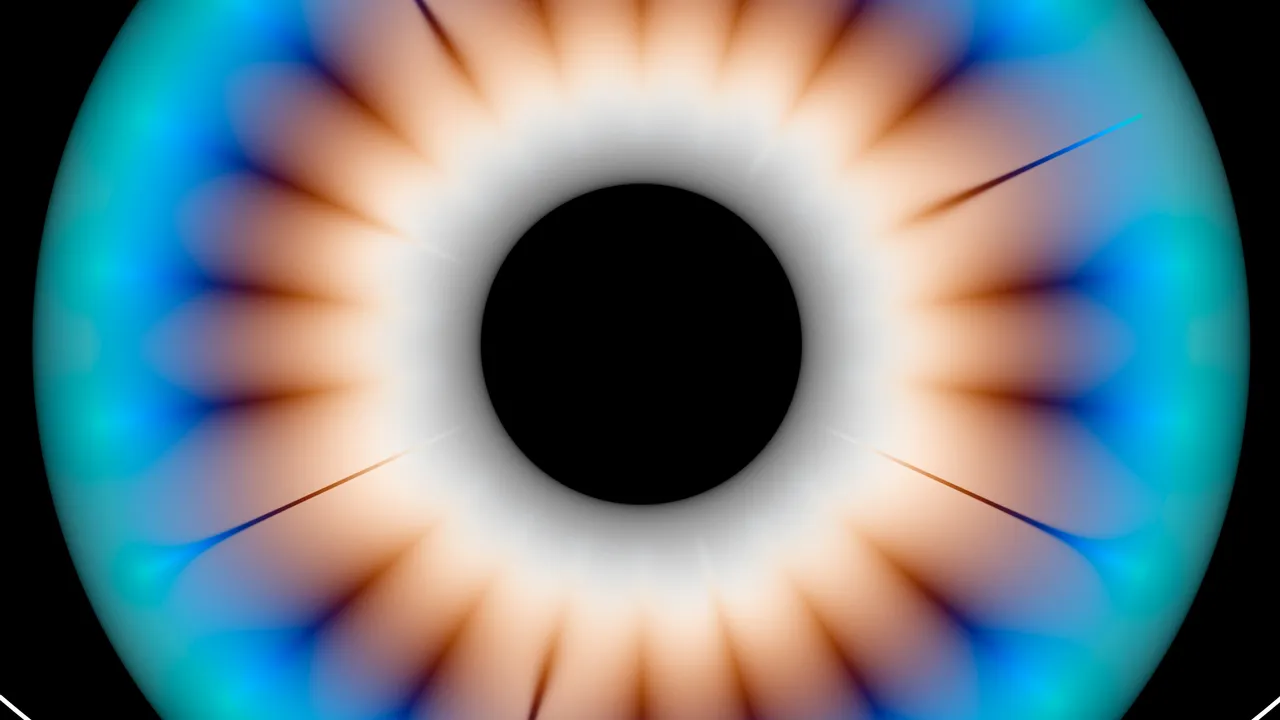
Ready to test your knowledge of hue, value, and saturation? Rivka Galchen’s latest for The New Yorker is a trove of fascinating details about our understanding of color. Galchen opens with the buzziest tidbit: an experiment conducted by a vision scientist who used a laser to stimulate a selection of his own cone cells and glimpse a color unknown outside of his laboratory. From there, she roams—through philosophy and art history, from studios to pigment shops—complicating our understanding of perception with each new turn of her titular question.
In the children’s novel “The Midnight Fox,” by Betsy Byars, the main character daydreams about digging in his back yard and coming across a “brand-new color.” A friend of mine remembers being captivated by this scene, and trying to picture the color. “I felt like I could conceive of it, but I couldn’t see it,” she said. The eighteenth-century Scottish philosopher David Hume considered at length whether a person who had seen every shade of blue except for one would be able to picture that one un-experienced shade; he concluded that the answer was yes. In my youth, I spent an afternoon wondering if I would have been able to imagine the fluorescent yellow of highlighter markers if I’d never seen it.