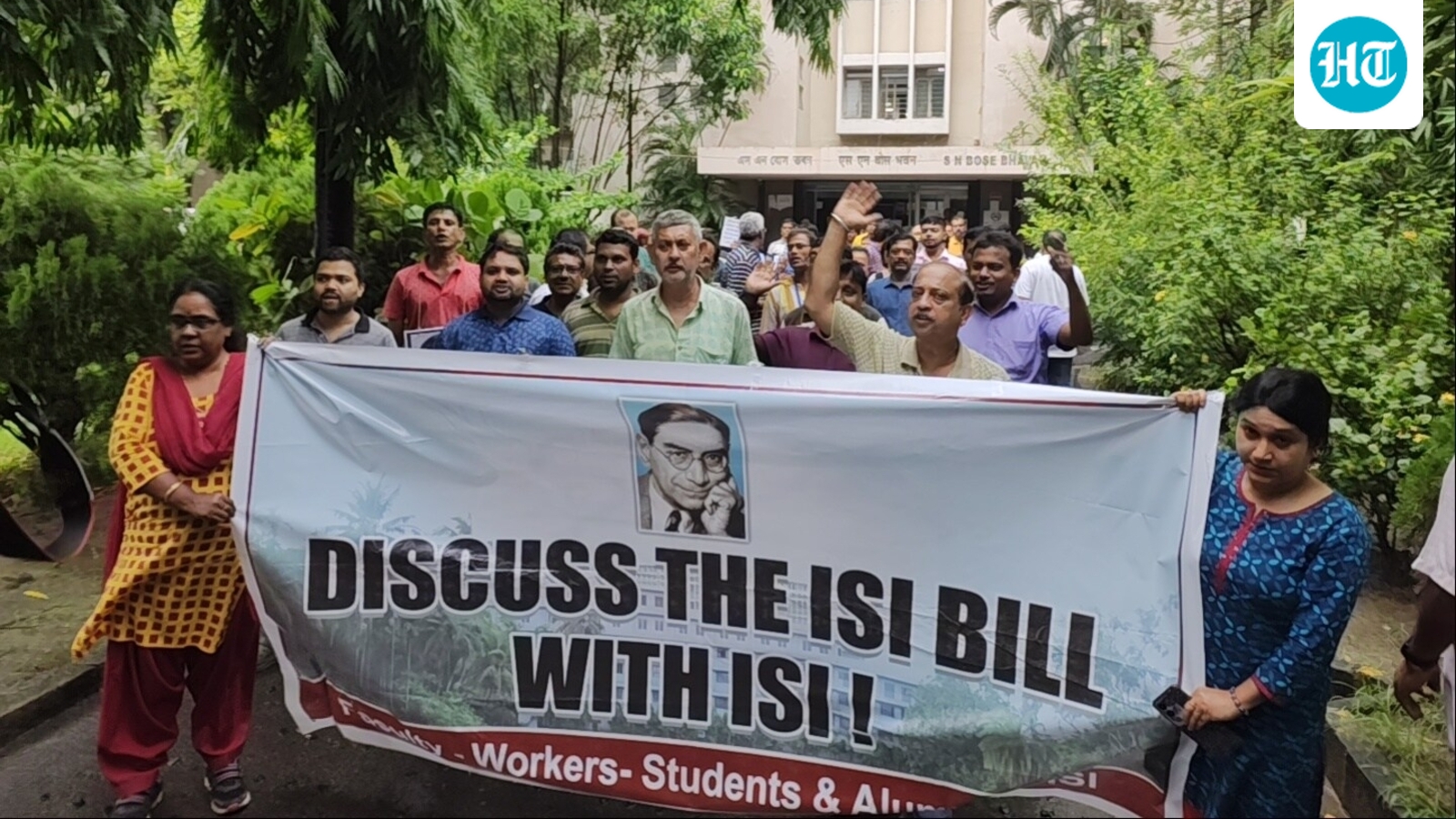
Historian and educationist K.N. Ganesh has warned that the proposed Viksit Bharat Shiksha Adhishthan (VBSA) Bill could fundamentally alter India’s higher education governance by concentrating regulatory powers in the hands of the Central government, weakening the constitutional role of States and undermining the autonomy of universities.Delivering the keynote address at a State-level academic workshop organised by the Kerala Sasthra Sahithya Parishad (KSSP) here on Saturday, Prof. Ganesh said the proposed legislation represents the latest phase in a long process of centralisation and market-oriented reforms in higher education.Addressing the theme ‘The VBSA Bill: A critical reading of the structure of Indian higher education, university autonomy and the powers of States’, he pointed out that the Bill would establish a highly centralised regulatory framework, leaving State governments with little or no meaningful role in higher education governance.He also expressed concern that the proposed apex regulatory body would not provide representation to either teachers or students in its various councils, thereby raising questions about democratic participation in educational policy making.According to Prof. Ganesh, the gradual shift of education to the Concurrent List following the 42nd Constitutional Amendment in 1976 marked the beginning of increasing central intervention in the sector. The proposed VBSA Bill, he said, would further strengthen this trend by diminishing university autonomy, restricting the policy-making powers of States and weakening democratic academic culture.He also criticised the growing dependence on national entrance examinations and the expansion of the coaching industry, saying these developments were making higher education increasingly elitist. Education, he argued, should not be confined to producing human resources for the labour market but should nurture scientific temper, critical thinking, democratic values and social responsibility.The academic cautioned that the proposals made for restructuring higher education, from the earlier National Commission for Higher Education and Research (NCHER) framework mooted by the Manmohan Singh-led United Progressive Alliance (UPA) government in 2011 to the VBSA Bill, are bound to have long-term implications for India’s federal structure and the public higher education system.Inaugurating the workshop, KSSP president C. Ramakrishnan opined changes in higher education should not be viewed merely as academic issues but as matters closely linked to the future of democracy and India’s federal system.Academic S. Sreeja delivered a presentation on the implementation of Kerala’s Four-Year Undergraduate Programme (FYUGP). The workshop was presided over by C. Padmanabhan, chairperson of the higher education committee. Committee convener P.P. Babu and KSSP state secretary V.K. Nandanan also spoke.The workshop marked the launch of a Statewide public education campaign by the KSSP on issues relating to higher education. The campaign focuses on the implications of the National Education Policy (NEP) 2020, the proposed VBSA Bill, and the implementation of the FYUGP. Published - August 01, 2026 08:18 pm IST
VBSA Bill threatens university autonomy and leaves States with little role in higher education: KN Ganesh
Historian and educationist K.N. Ganesh has warned that the proposed Viksit Bharat Shiksha Adhishthan (VBSA) Bill could fundamentally alter India’s higher education governance by concentrating regulatory powers in the hands of the Central government, weakening the constitutional role of States and undermining the autonomy of universities.
451 words~2 min read