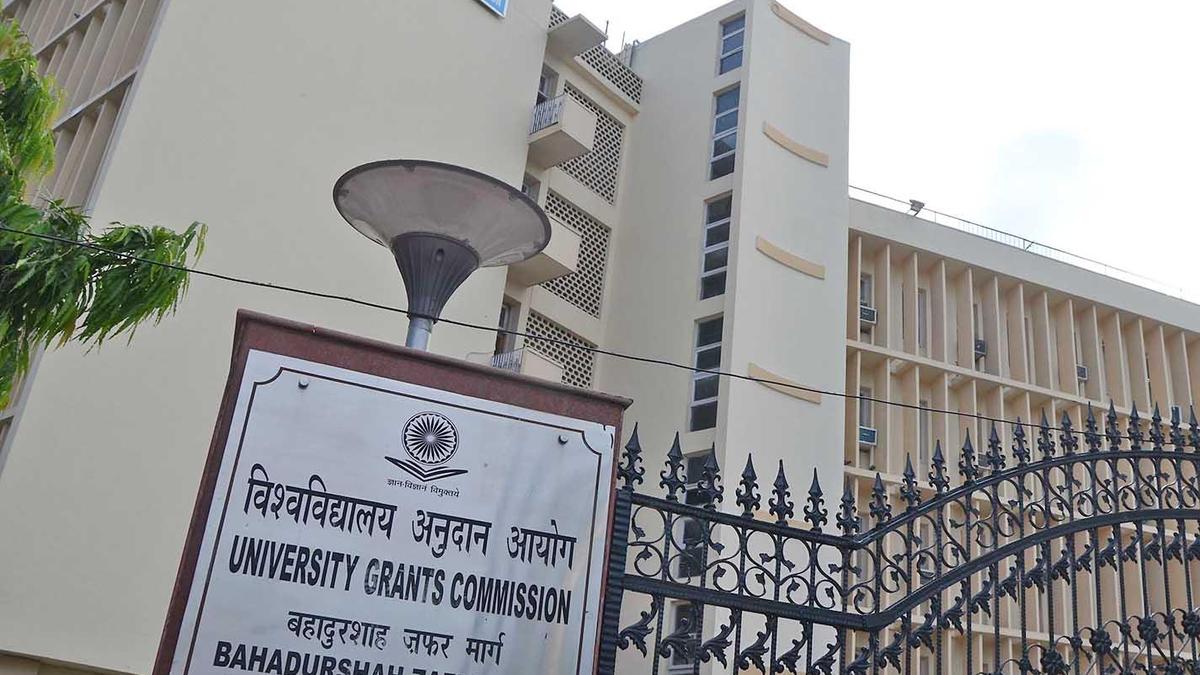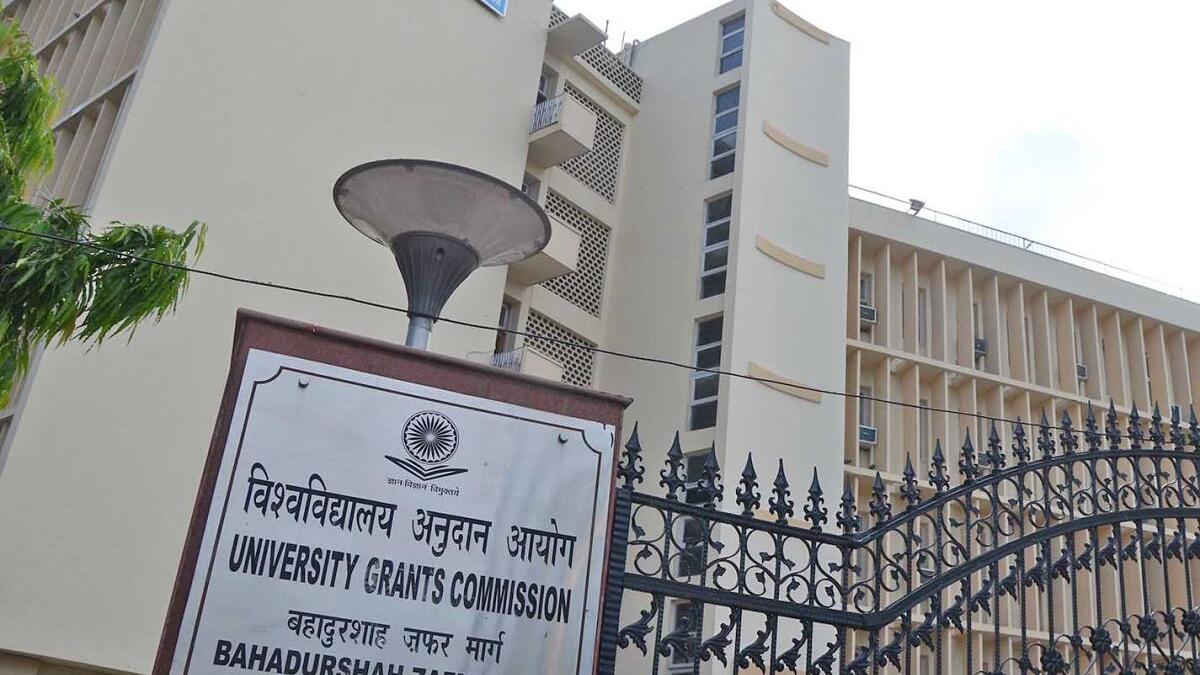
Top higher education institutions on Monday urged the Parliamentary panel examining the proposed Viksit Bharat Shiksha Adhishthan (VBSA) Bill, 2025, to strengthen safeguards for institutional autonomy, widen state representation and adopt a phased rollout, warning that some provisions could effectively “subordinate the regulator to the executive” and trigger Centre-state friction, people aware of the matter said.VSBA bill panel meeting: Higher edu institutes call for autonomyAt the latest meeting of the 31-member joint Parliamentary committee on the VBSA Bill, 2025, institutions including Banaras Hindu University (BHU), Varanasi; Forest Research Institute (FRI), Dehradun; and Indian Institute of Technology (Indian School of Mines), Dhanbad broadly backed the Bill’s proposal to replace the University Grants Commission (UGC), All India Council of Technical Education (AICTE) and National Council for Teacher Education (NCTE) with a unified regulator, but sought substantial amendments to address what they described as “critical vulnerabilities” in the draft law.The institutions cited several provisions of the Bill and flagged risks of “Centre-State friction”, “constitutional challenge”, “significant institutional disruption”, “structural gaps” arising from overlapping jurisdiction with professional regulators, and the possibility of the regulator being “effectively subordinated to the executive,” people aware of the matter said.Among the strongest objections came from BHU, which warned that provisions allowing the Centre to issue binding directions to the proposed regulator and supersede it could compromise its independence.“These provisions risk converting an independent regulatory body into an arm of the government of the day,” the university said in its submission, recommending that such powers be restricted to extraordinary circumstances and subjected to mandatory parliamentary review, the people said.BHU also flagged the Bill’s limited rotating representation for states on regulatory councils, saying it risked Centre-state friction because education is on the Concurrent List while states may be compelled to meet expenditure-linked standards without corresponding financial support.The university recommended permanent state representation on the Standards Council and a consultative role for state higher education ministers. It also objected to the exclusion of professional regulators such as the Bar Council of India and National Medical Commission from the framework, warning that multidisciplinary universities with law and medical schools could face overlapping jurisdictions.It proposed either internal professional divisions within the new regulator or a formal coordination mechanism to avoid regulatory conflict. BHU also urged the Centre against dismantling all three existing regulators simultaneously, recommending a phased rollout beginning with pilot implementation before nationwide adoption.The university suggested strict fee regulation, scholarship mandates and reservation safeguards for foreign universities allowed to set up campuses under the Bill, warning that unchecked entry could create “elite enclaves accessible only to wealthy students.”It additionally called for lighter compliance norms for rural, tribal and minority institutions, arguing that uniform standards could disadvantage smaller, under-resourced colleges.On Indian Knowledge Systems, BHU sought mandatory academic peer-review standards and formal expert representation on the Standards Council to prevent pseudoscientific content from entering curricula, HT has learnt.The VBSA Bill, introduced in Parliament in December 2025, seeks to replace the UGC, AICTE and NCTE with a 12-member commission overseeing separate councils for regulation, standards and accreditation under the National Education Policy (NEP) 2020 framework.Aligarh Muslim University (AMU) welcomed the proposed law as a step towards “transparency”, “simplification of rules” and greater equity in higher education, but urged the panel to widen the Bill’s regulatory ambit to include bodies such as the Council of Architecture (CoA), Indian Council of Agricultural Research (ICAR) and National Commission for Indian System of Medicine (NCISM), noting that compliance with multiple regulators often creates “wide disparities” and acts as a “bottleneck to improvement”, people familiar with the matter said.The university also sought uniform faculty recruitment and promotion norms, “rolling advertisements” for faculty hiring, and a differentiated accreditation framework for historic multidisciplinary institutions, arguing that applying the same benchmarks used for IITs and IIMs created “complexity” and failed to account for scholarship in oriental and Indian languages that often falls outside mainstream indexed accreditation metrics.Meanwhile, FRI sought explicit recognition of “research centres” in clauses dealing with constituent units and multi-campus approvals, arguing that specialised research institutions cannot be treated on par with conventional colleges.The institute also proposed including senior scientists of Scientist-G rank alongside professors in eligibility criteria for membership of the commission and councils. It further sought lower financial penalties for smaller self-sustaining deemed universities with fewer than 1,000 students and restoration of grant-making provisions to support infrastructure, salaries and research facilities.IIT (ISM) Dhanbad, meanwhile, pushed for formal IIT representation in the proposed apex regulator and sought separate accreditation norms for IITs instead of common outcome-based standards. It also recommended safeguards to ensure that academic flexibility available under the IIT Act is not diluted under the new regime and suggested including at least one international expert from a developed-country institution in the commission.Across submissions, institutions stressed that unless concerns around autonomy, federal balance, transition safeguards and institutional diversity are addressed, the legislation could face implementation challenges despite its ambitious reform agenda.Meanwhile, the Federation of Indian Chambers of Commerce & Industry (FICCI) also pushed for a dedicated and transparent higher education funding framework, recommending an independent financing council with a statutory corpus to disburse grants based on accreditation and research performance. Pending its creation, it proposed a “formula-based grant allocation policy” spelling out funding shares linked to accreditation grades, research output and enrolment metrics to ensure “objective and transparent allocation”.Unlike the UGC, the proposed regulator under the Bill will not have a dedicated funding arm, even though NEP 2020 envisaged a separate grants council under the new regulatory framework. The Bill also does not empower the regulatory council to fix fees, limiting it instead to framing a policy to “prevent commercialisation of higher education.”
VSBA bill panel meeting: Higher edu institutes call for autonomy
Top universities urged lawmakers to amend the VBSA Bill, 2025, for autonomy, state representation, and phased rollout, warning of potential regulatory issues. | India News
933 words~4 min read