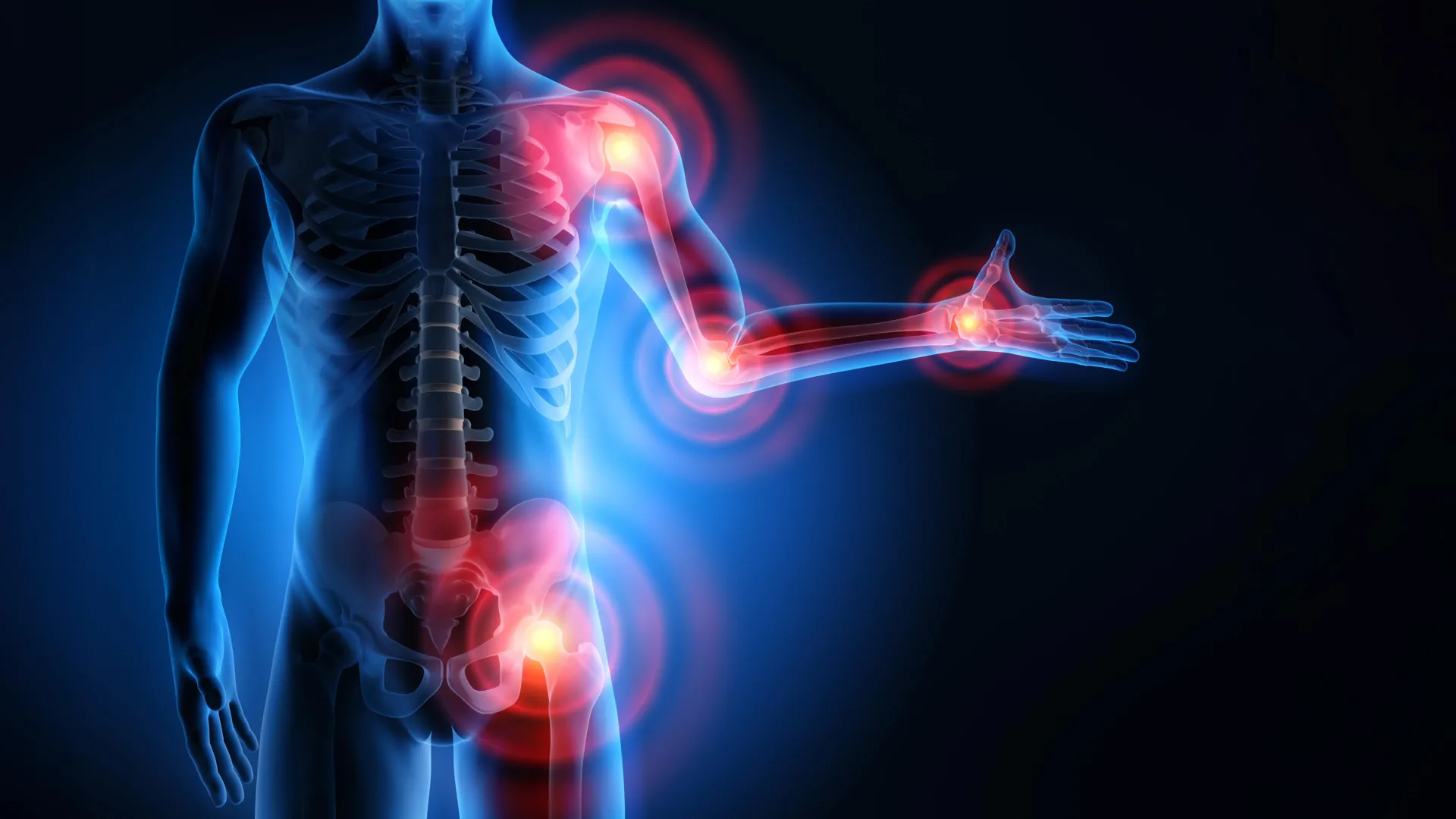
Millions of people take statins to lower cholesterol and reduce their chances of having a heart attack or stroke. For some patients, however, the medications can cause muscle pain, weakness, and difficulty exercising, making it harder to stay on treatment.
Researchers at McMaster University have now identified a biological pathway that could help explain why these muscle symptoms develop. The finding may eventually lead to treatments that make statins easier to tolerate without reducing their important cardiovascular benefits.
Published in Science Advances, the study points to a previously unrecognized interaction between the immune system and muscle cell metabolism. The mechanism appears to contribute to muscle damage caused by statins and challenges earlier ideas about the origins of these side effects.
Why Statin Side Effects Matter
"Statins are among the most effective medications we have for reducing cardiovascular disease risk and preventing early death," said Jonathan Schertzer, professor in McMaster's Department of Biochemistry and Biomedical Sciences and senior author of the study.