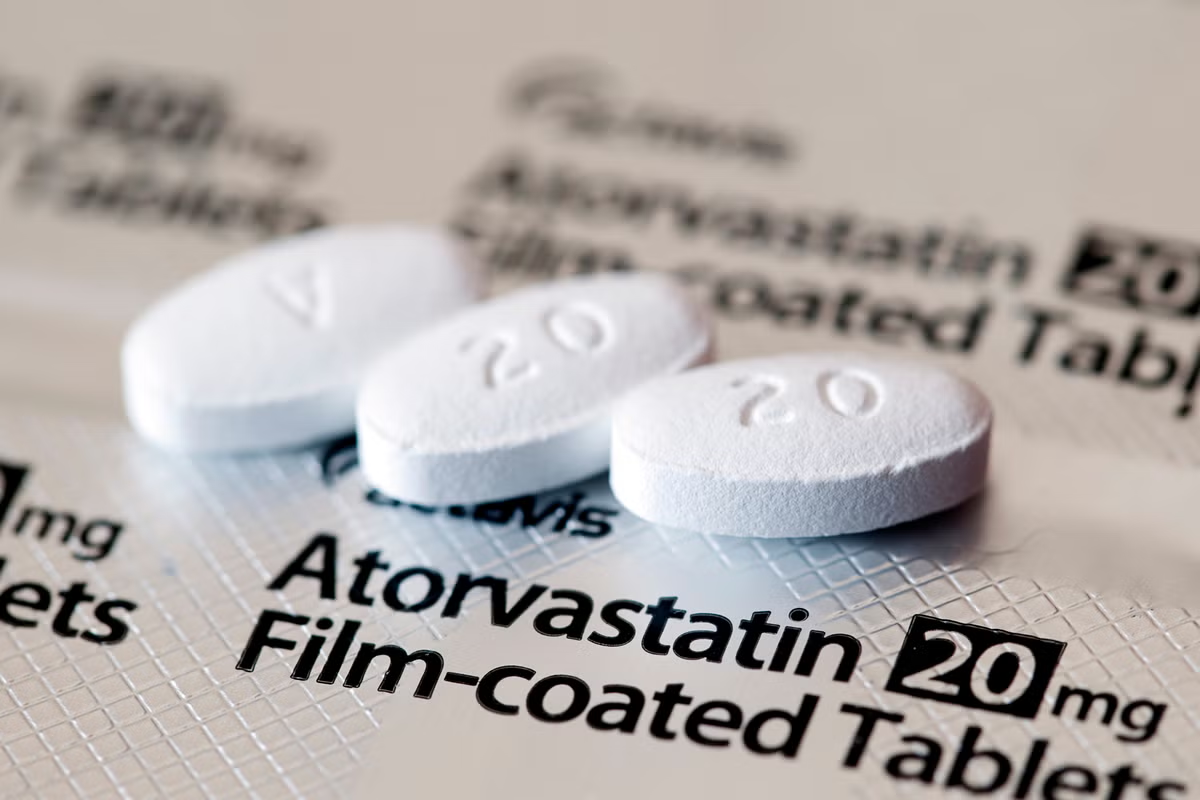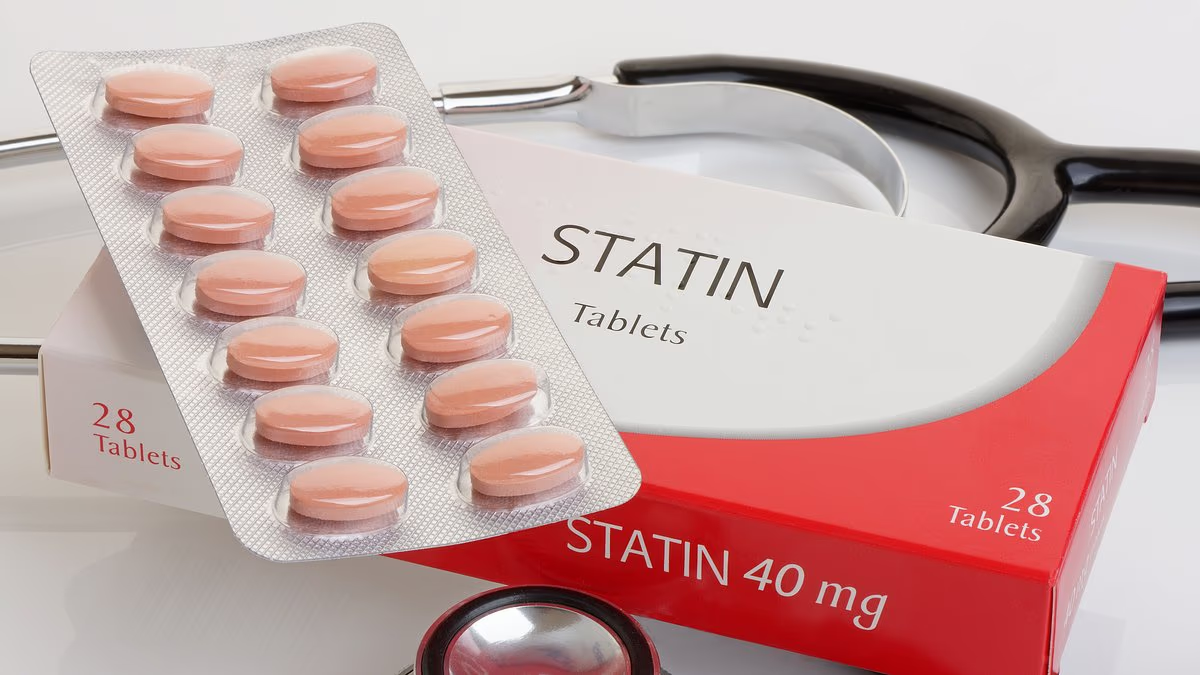
NewsHealthHealthThe widely prescribed cholesterol-lowering statin, can cause serious side effects in rare cases07:50, 05 Jul 2026The NHS provides guidance to patients taking a widely used medication on the risk of "serious" side effects. Those currently prescribed atorvastatin are urged to be careful about which other medicines they take alongside it.Atorvastatin is a type of statin, which helps to lower cholesterol levels in the blood. It is commonly prescribed to patients with high blood cholesterol to reduce the risk of heart disease, including heart attacks and strokes.Your GP may also suggest atorvastatin if you have a family history of heart disease, or a long-term health condition such as type 1 or type 2 diabetes or rheumatoid arthritis.However, as with all medications, it is vital to follow official advice on how to take it safely. On its website, the NHS lists several "cautions with other medicines". This means patients must ensure it is safe to take atorvastatin alongside other drugs and supplements.The NHS said: "Some medicines can affect the way atorvastatin works and can increase the chances of you having serious side effects, such as muscle damage."It explained you must therefore tell your doctor or pharmacist if you are taking any of the following medicines:Antibiotics such as erythromycin, clarithromycin, rifampicin or fusidic acidAntifungals such as ketoconazole, voriconazole or fluconazoleSome HIV medicinesSome hepatitis C medicinesWarfarin, a medicine to help prevent blood clotsCiclosporin, a medicine for psoriasis and rheumatoid arthritisColchicine, a medicine for goutContraceptive pills, such as the combined pillVerapamil, diltiazem or amlodipine, medicines for high blood pressure and heart problemsAmiodarone, a medicine that helps if you have an irregular heartbeat (atrial fibrillation)If you're taking atorvastatin and need to take one of these medicines, your doctor may:Prescribe a lower dose of atorvastatinPrescribe a different statin medicineRecommend that you stop taking atorvastatin for a whileThese are not all the medicines that can affect the way atorvastatin works. “For a full list see the leaflet inside your medicine packet or check with your pharmacist”, the NHS said.The health service said you should also consult your doctor or a pharmacist if you take atorvastatin and you’re thinking of taking St John's wort supplements or CoQ10.Common side effectsThese common side effects of atorvastatin happen in more than one in 100 people:Feeling sick (nausea) or indigestionHeadachesNosebleedsSore throatCold-like symptoms, such as a runny nose, blocked nose or sneezingConstipation or farting (flatulence)DiarrhoeaThe NHS added: “Drinking a lot of alcohol regularly increases the chance of you having side effects with atorvastatin, and liver problems. If you think that atorvastatin is causing side effects and they're making you want to stop taking it, talk to your doctor first.“They may be caused by another problem and not the medicine. Your doctor may suggest lowering your dose or changing your medicine.”Article continues belowSerious side effectsYou should stop taking atorvastatin and call a doctor or call 111 straight away if:You get unexplained muscle pain, tenderness, weakness or cramps – these can be signs of muscle breakdown and kidney damageThe whites of your eyes turn yellow, or your skin turns yellow, although this may be less obvious on brown or black skin, or if you have pale poo and dark pee – these can be signs of liver problemsYou get a skin rash with pink or red blotches, especially on the palms of your hands or soles of your feet – this could be a sign of erythema multiformeYou have severe stomach pain – this can be a sign of acute pancreatitisYou have a cough, feel short of breath, and are losing weight – this can be a sign of lung diseaseYou have a weakness in your arms or legs that gets worse after activity, or if you get double vision, drooping eyelids, problems swallowing or shortness of breath - these can be a sign of myasthenia gravisFor more information, visit the NHS website here.Choose Daily Mirror as a 'Preferred Source' on Google News for quick access to the news you value.NHSHeart diseaseArthritisCholesterolFitness And HealthGood HealthHealthy LifestyleHealth
Atorvastatin alert as NHS cautions on 'serious' side effects
The widely prescribed cholesterol-lowering statin, can cause serious side effects in rare cases
660 words~3 min read