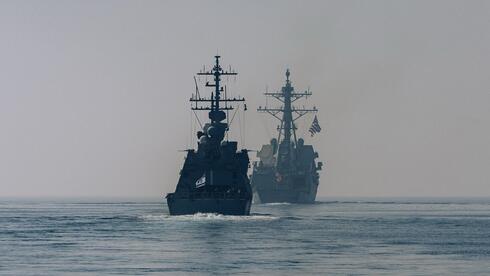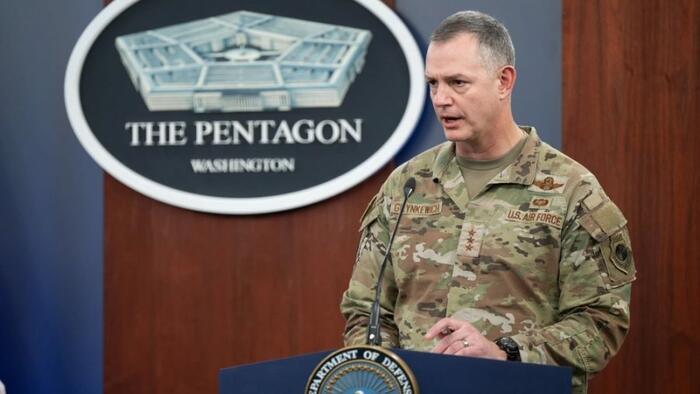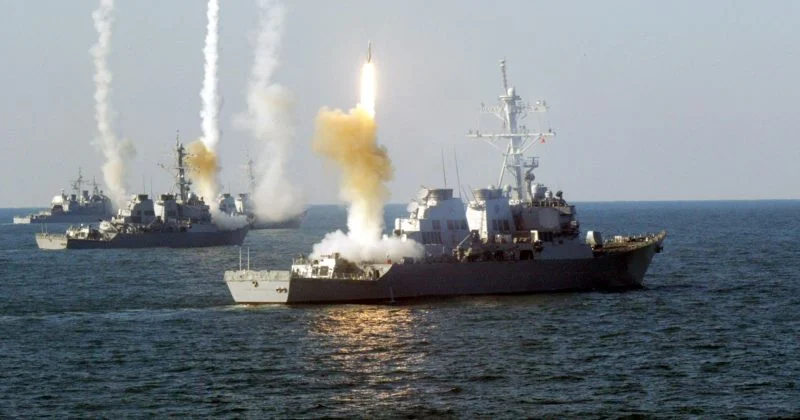
Gen. Alexus G. Grynkewich, Commander of US European Command, has warned that a shortage of Navy destroyers is constraining America’s ability to defend Israel against Iranian missile threats.
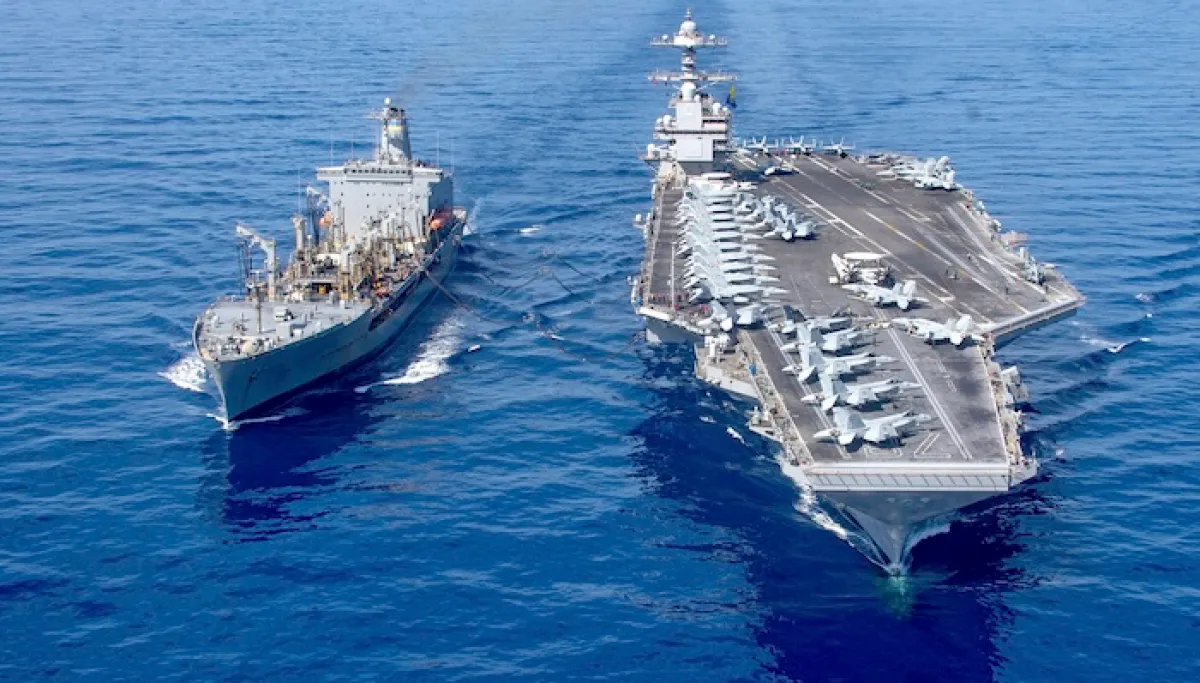
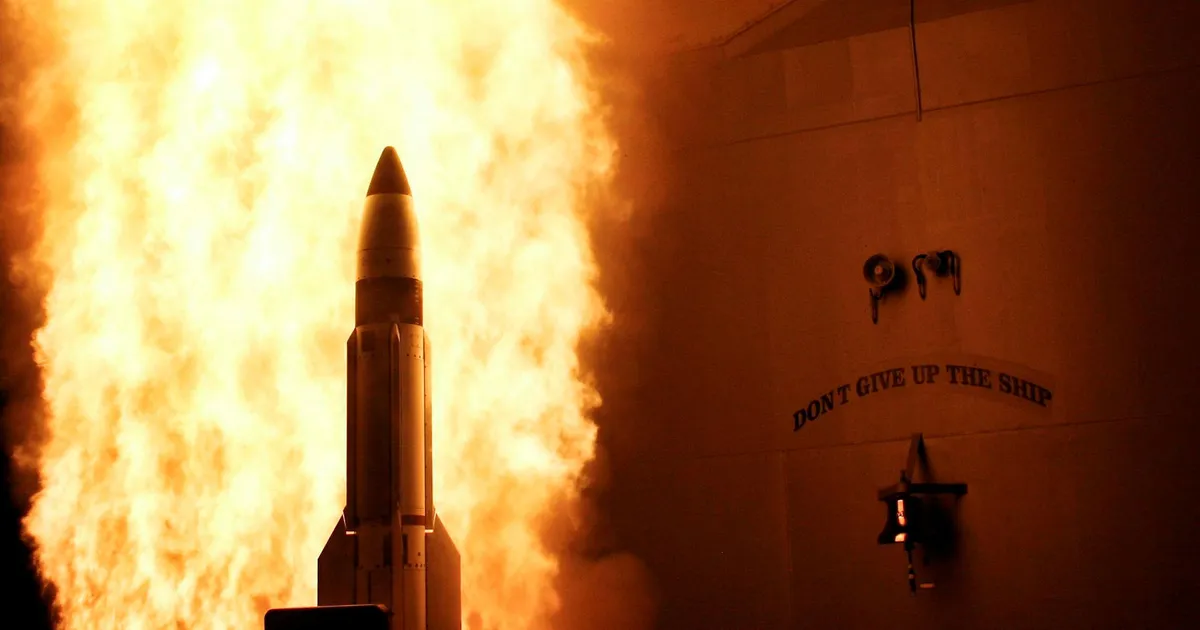
Aegis-equipped destroyers are the backbone of US ballistic missile defense, capable of tracking and intercepting the kind of medium and intermediate-range missiles Iran has demonstrated it can fire at Israel. The US has repeatedly deployed carrier strike groups to the Middle East in recent years, most recently in 2024 during escalations between Israel and Iran. Each deployment pulls destroyers from other theaters, creating what military planners call a “readiness bathtub,” a period where maintenance backlogs and operational tempo leave fewer ships available than the strategy on paper requires. The strain on naval assets from sustained Middle East commitments has been a running theme in Pentagon discussions extending into 2026.
The most immediate market implications sit in traditional defense and energy sectors. Defense contractors benefit from the obvious political pressure to build more ships, faster. Energy markets, particularly oil, are sensitive to any scenario where Iranian aggression might go less effectively countered.