The peak of the tourism season translates every year into more work for thousands of employees in hotels, accommodations, restaurants, cafes, bars, food service businesses and tourism offices. Increased occupancy, continuous arrivals and departures of visitors, events and staff shortages often lead to extended shifts and additional employment. However, high demand does not negate the obligations of employers, nor does it limit the rights of employees.
Lawyers clarify that labor law still applies in its entirety and every additional hour of work must be recorded, declared and paid in accordance with the legislation.
The implementation of the Digital Labor Card in tourism and catering has significantly changed the image of the market. According to the Labor Ministry, reported overtime in the sector has increased by more than 1,000% during the months with high tourism traffic, attributing the surge in overtime employment primarily to the transition from illegal labor to the legal recording of actual working time through the new system.
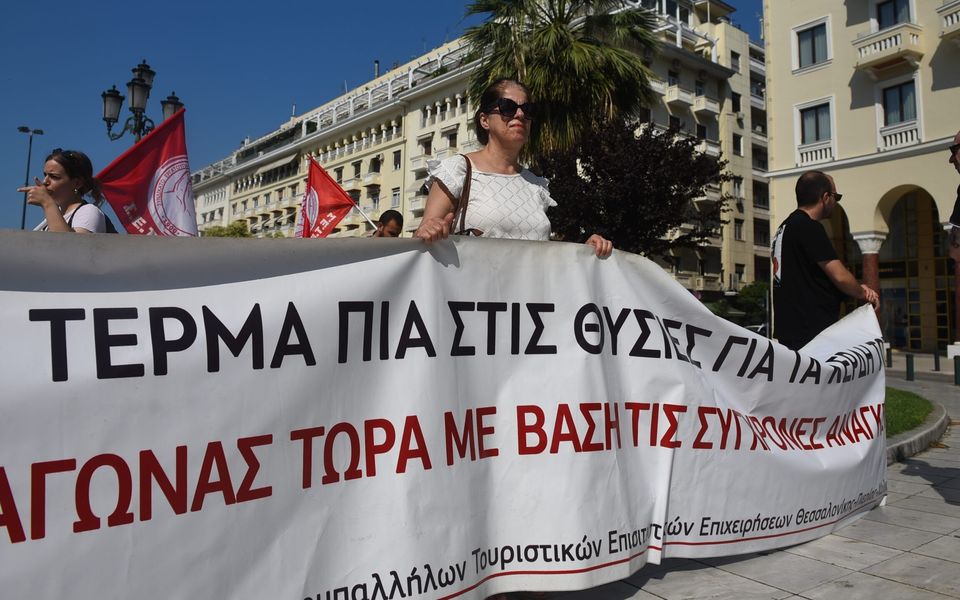
However the picture described by the workers is more complex. The Panhellenic Federation of Food and Tourism Workers states that complaints to the Labor Inspectorate and to the federation itself have increased significantly this season.