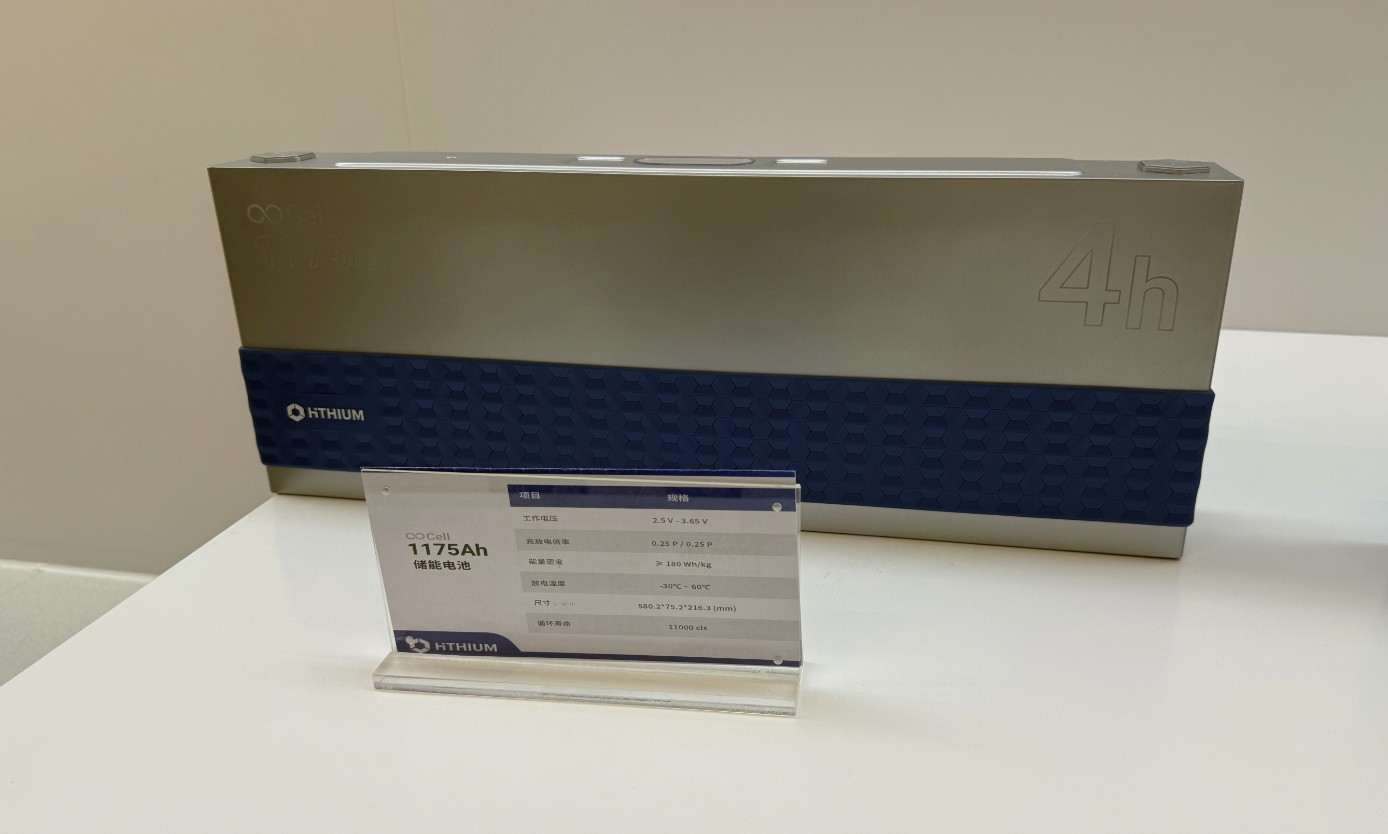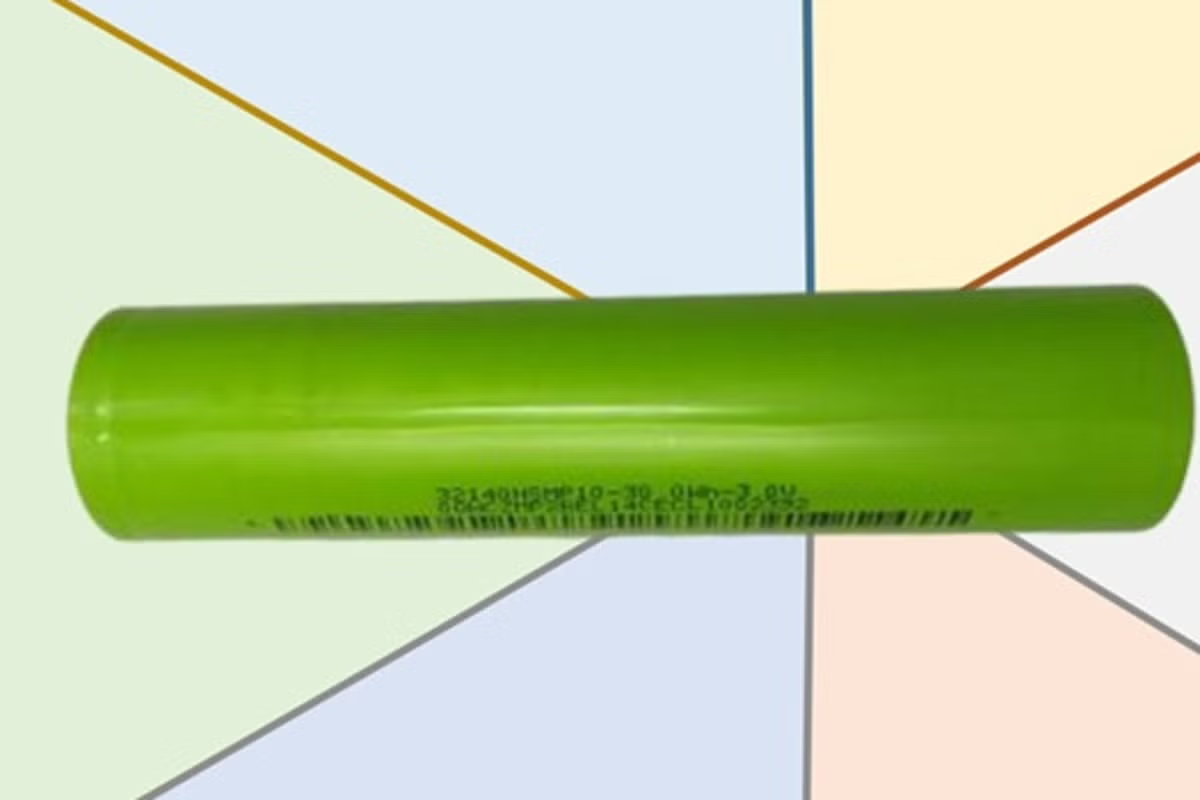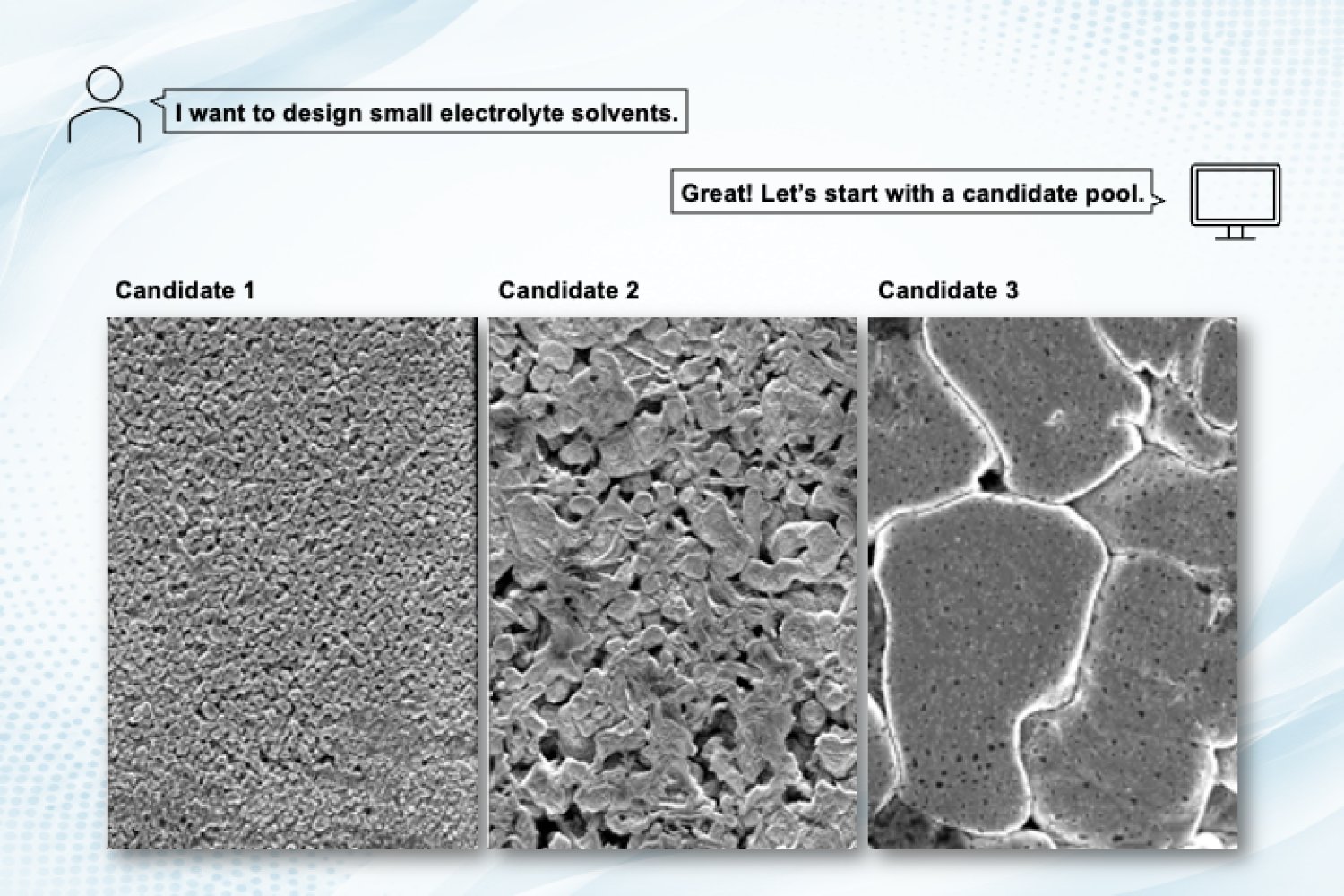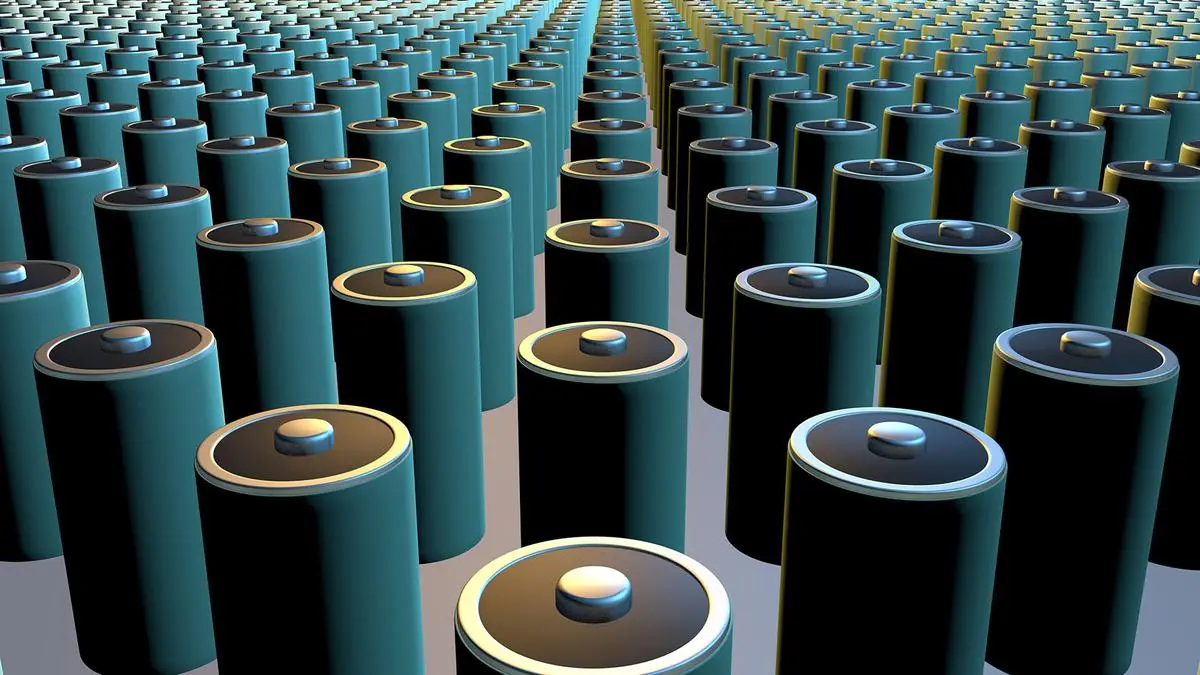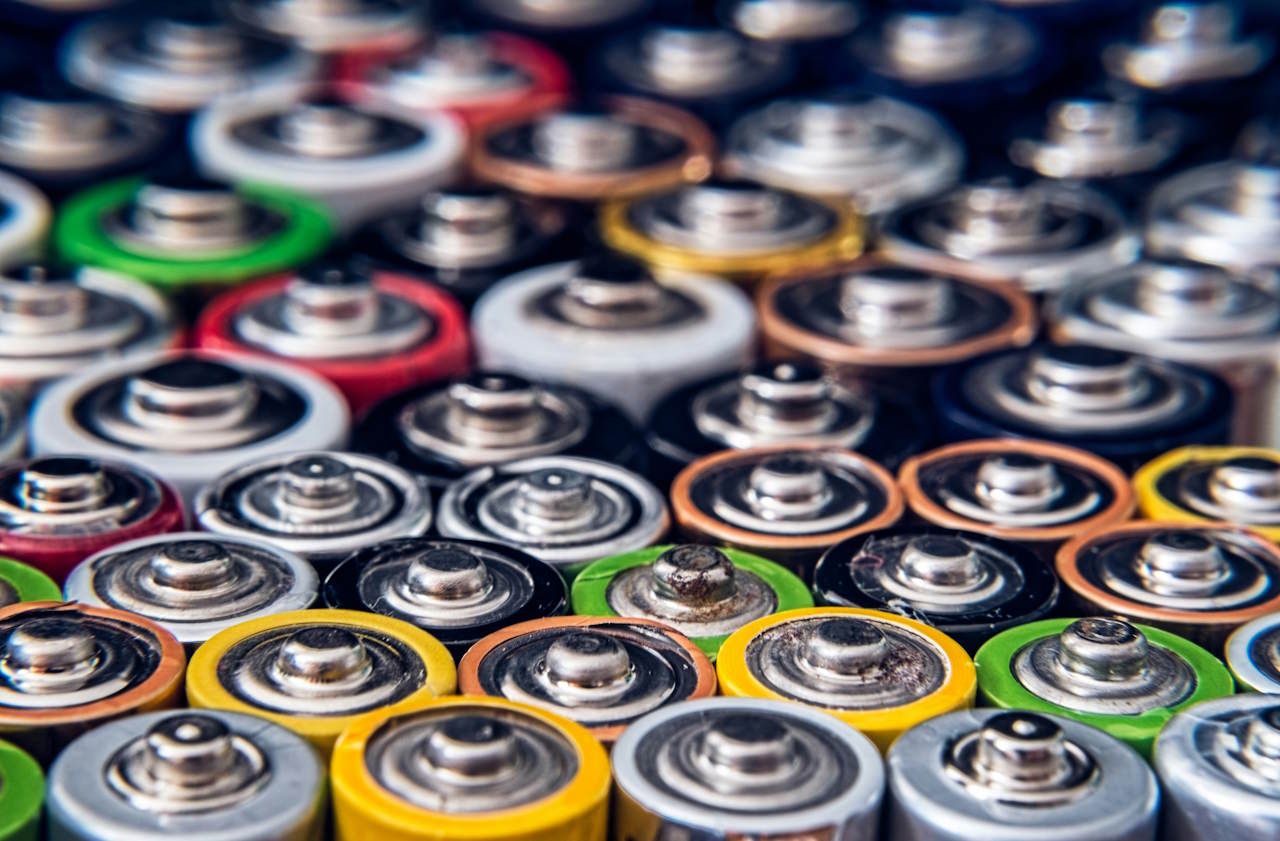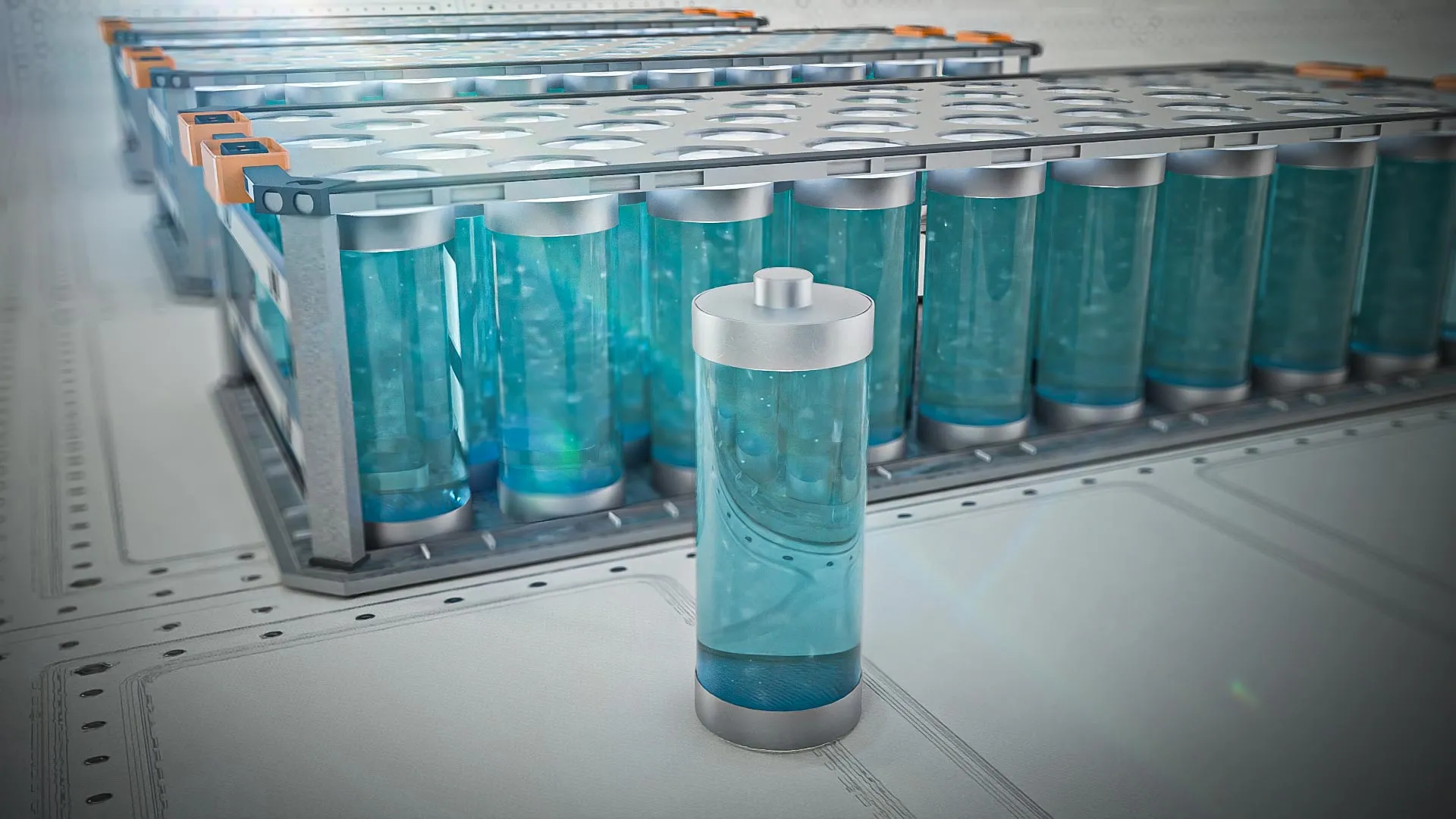
Sodium ion batteries could offer a more sustainable way to store large amounts of energy, and new research suggests they may eventually serve another valuable purpose: helping remove salt from seawater.
Scientists at the University of Surrey have found that a sodium-based battery material performs much better when its natural water content is left in place. Battery researchers often remove this water because moisture is commonly viewed as harmful to battery materials. In this case, however, keeping it produced a dramatic improvement.
A More Abundant Alternative to Lithium
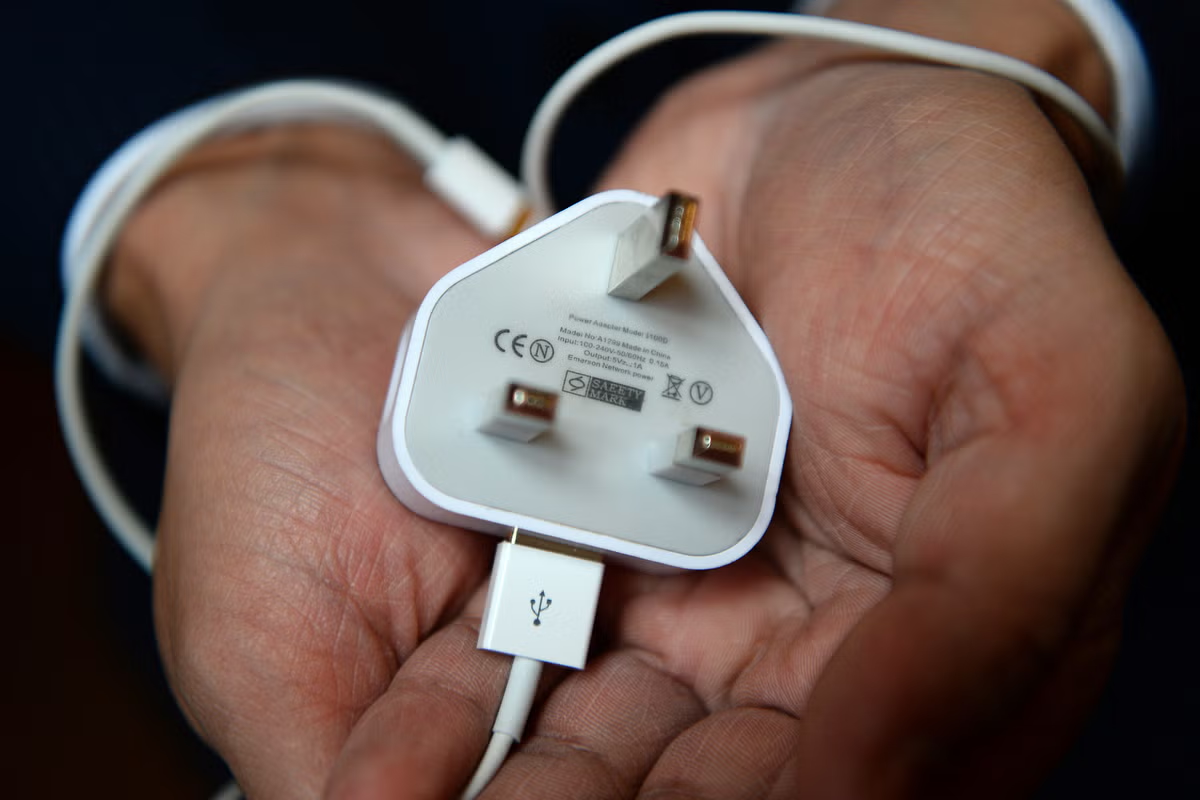
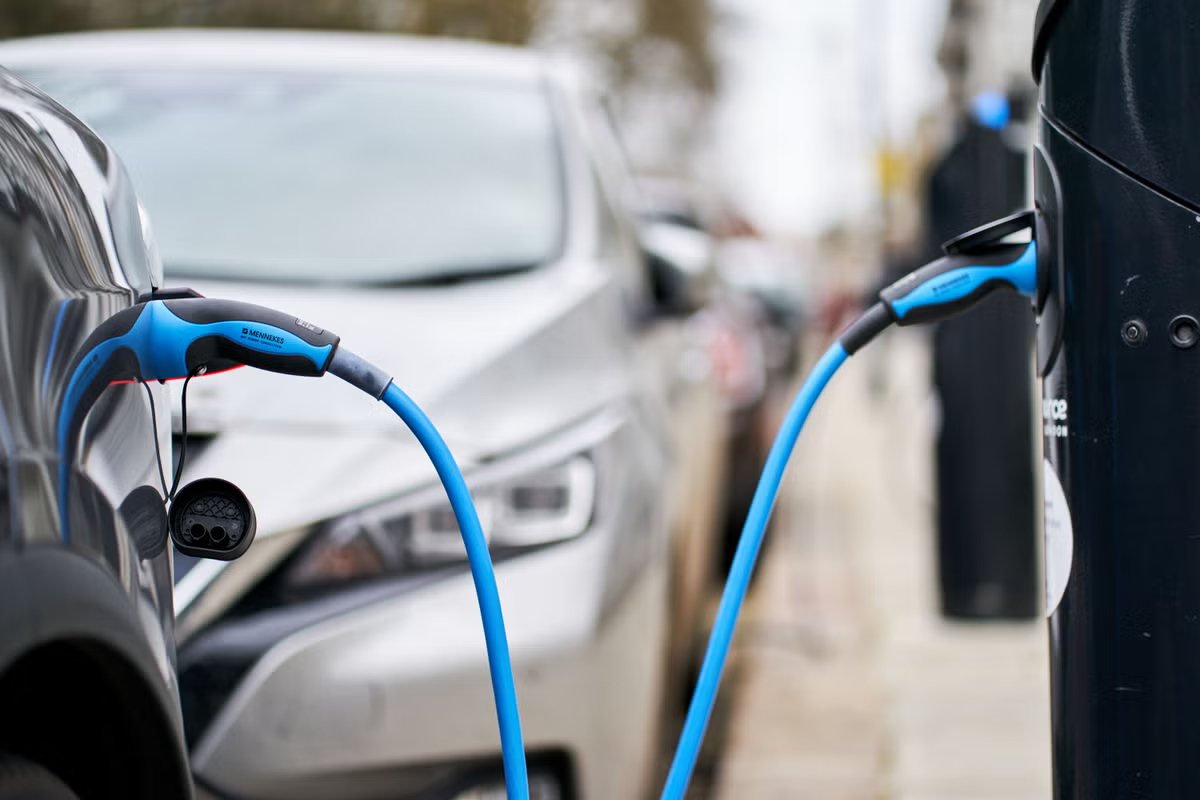
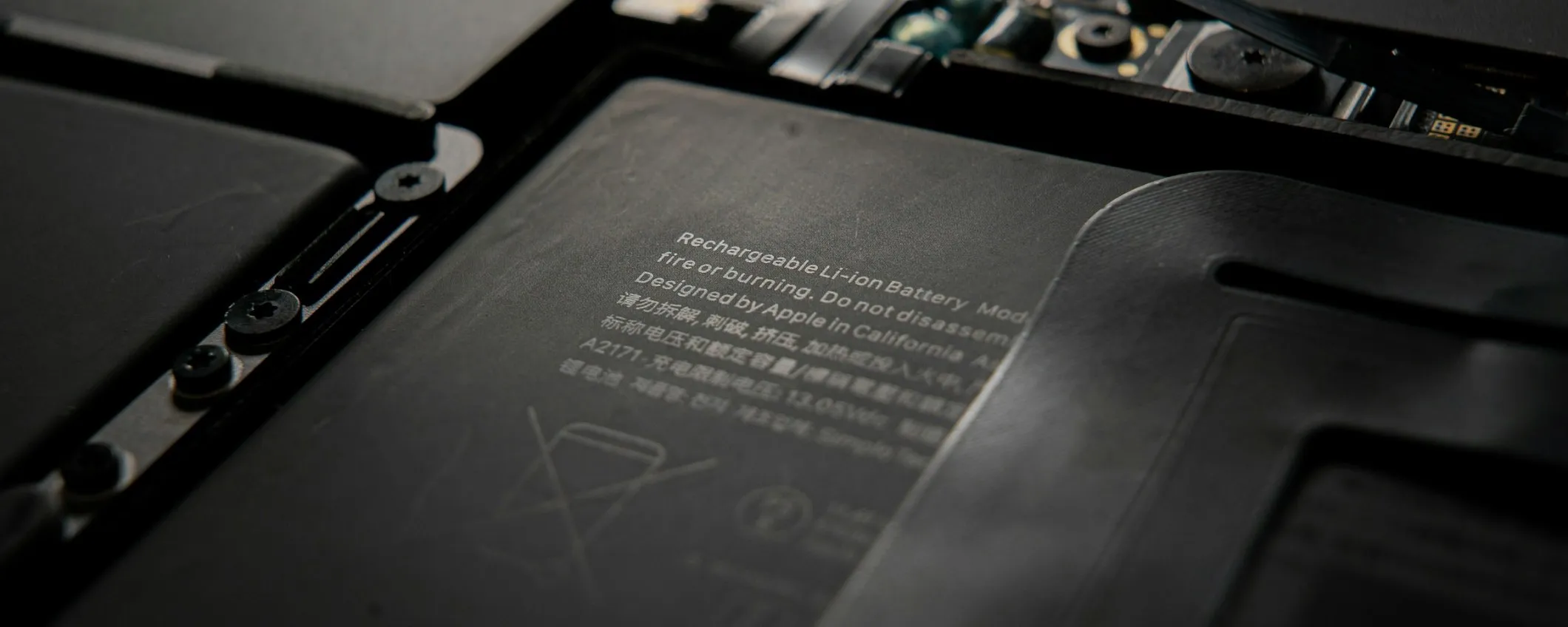
Lithium-ion batteries currently power most smartphones, laptops, electric vehicles, and many large energy storage systems. They can store substantial amounts of energy, but lithium and some of the other materials used in these batteries can be expensive to obtain and may carry significant environmental costs.
Sodium is far more common and broadly distributed. It is found in seawater, salt deposits, and many minerals, which makes it an attractive candidate for lower-cost energy storage. Sodium ion batteries operate in a broadly similar way to lithium ion batteries, with charged sodium particles moving between two electrodes as the battery charges and discharges.