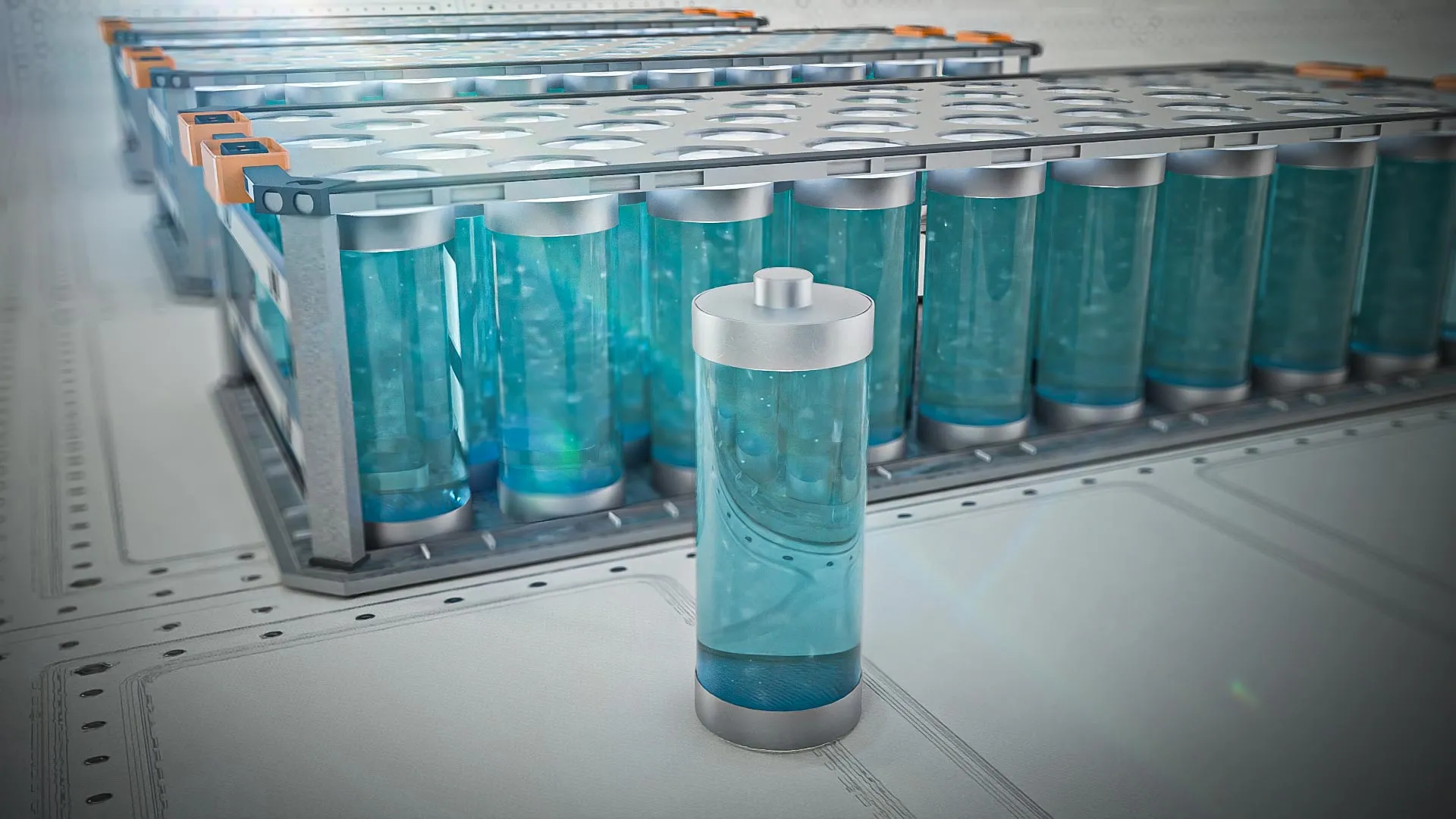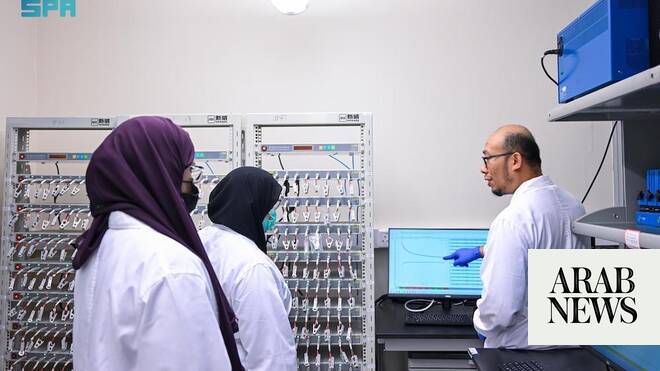
Scientists at the Institute of Nano Science and Technology (INST), Mohali, have developed a new chemical additive that could significantly improve the performance of rechargeable zinc-ion batteries — a promising alternative to lithium-ion batteries.Zinc-ion batteries are attracting attention because they are cheaper, safer and environmentally friendlier than lithium-ion batteries. However, their use has been limited by problems such as corrosion, gas generation and the formation of needle-like structures called dendrites, which can shorten battery life and affect safety.The INST researchers have developed an additive called BDIM, which is mixed into the battery’s electrolyte. The additive forms a protective layer on the zinc surface, preventing unwanted reactions with water and reducing corrosion and dendrite growth.Laboratory tests showed that the additive helps zinc deposit more evenly during charging and discharging, improving battery stability and extending its operating life.The research team, led by Dr Ramendra Sundar Dey, also used advanced electrochemical techniques to better understand how zinc behaves inside the battery and how the additive improves performance.The findings, published in the journal ACS Electrochemistry, could help accelerate the development of low-cost zinc-ion batteries for largescale energy storage. Such batteries could be used to store electricity generated from solar and wind projects, provide backup power and support electricity grids.Researchers said the technology has the potential to make rechargeable batteries safer, longer-lasting and more affordable, helping improve the reliability of renewable energy systems.Insect’s microbial bequestResearchers at the Indian Institute of Science (IISc), Bengaluru, have uncovered an unusual mechanism by which a beneficial bacterium is passed from a mother insect to its offspring, shedding light on the intimate evolutionary relationship between insects and their microbial partners.Many insects depend on bacterial endosymbionts — microbes that live inside their bodies and provide essential nutrients.In the new study, led by Shantanu Shukla of IISc’s Department of Developmental Biology and Genetics, the researchers identified a previously unknown route by which such bacteria are transmitted in a scale insect.The team found that the bacteria first accumulate outside the developing egg. Cells surrounding the egg then undergo dramatic changes in shape, transforming from their normal cuboid form into tube-like extensions. These tubular structures become packed with bacteria, detach from the surrounding tissue and are subsequently incorporated into the developing embryo, effectively acting as vehicles that transport the microbes into the next generation.The researchers showed that the bacteria play a critical role in insect development by producing essential nutrients, including amino acids and vitamins. Removing the bacteria from embryos resulted in high mortality and severe developmental defects.The study also revealed how closely the bacterium and its host have co-evolved. The bacterium possesses a highly reduced genome, having lost many genes during its adaptation to life inside the insect.Intriguingly, some of the functions lost by the bacterium appear to have been compensated for by genes present in the insect’s own genome, acquired over an evolutionary period from other bacterial species through horizontal gene transfer.The findings provide new insights into the evolution of insect-microbe partnerships and the mechanisms by which such relationships are maintained across generations.Published on June 29, 2026
Longer-lasting zinc battery
Researchers develop a chemical additive to enhance zinc-ion battery performance, promising longer life, safety, and affordability for renewable energy storage.
505 words~2 min read