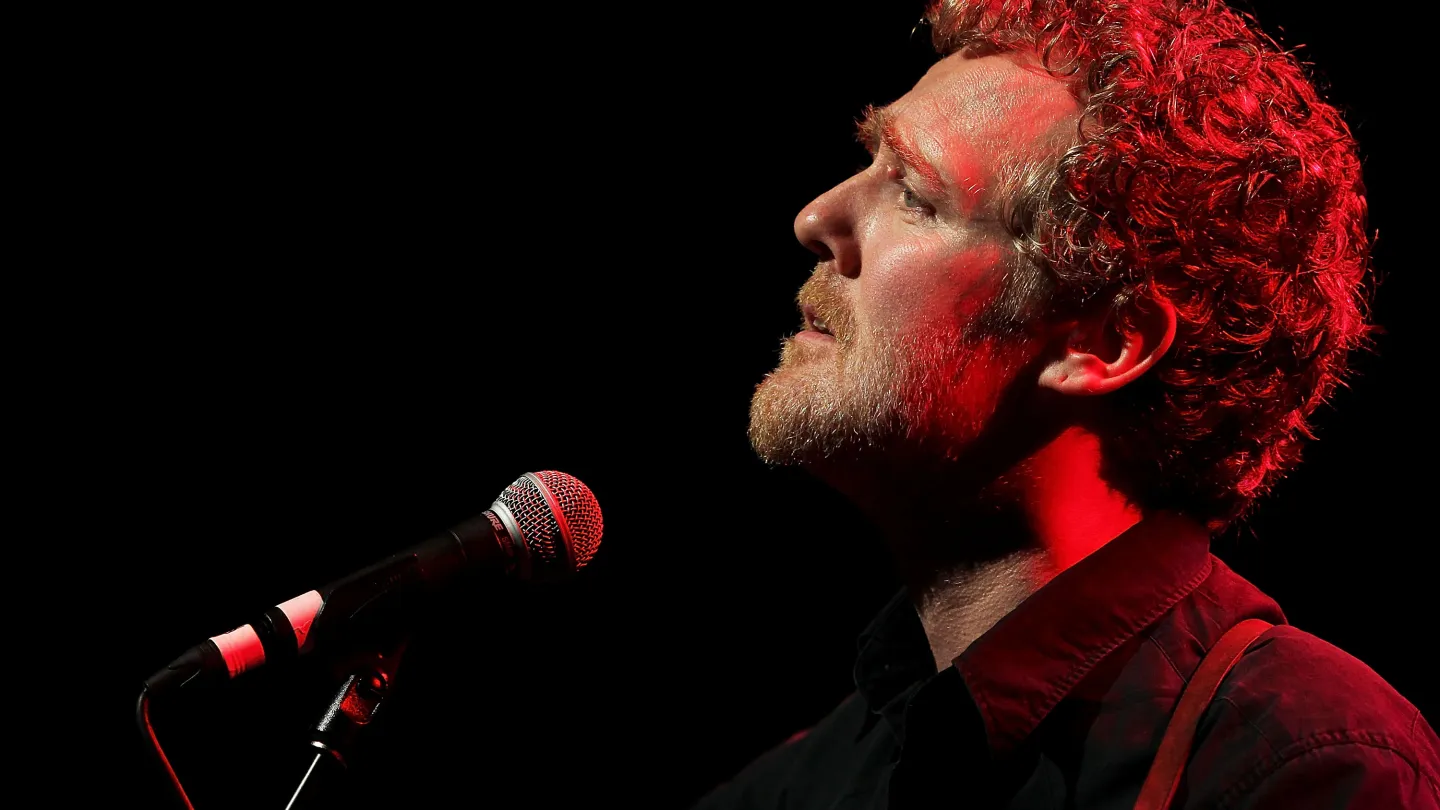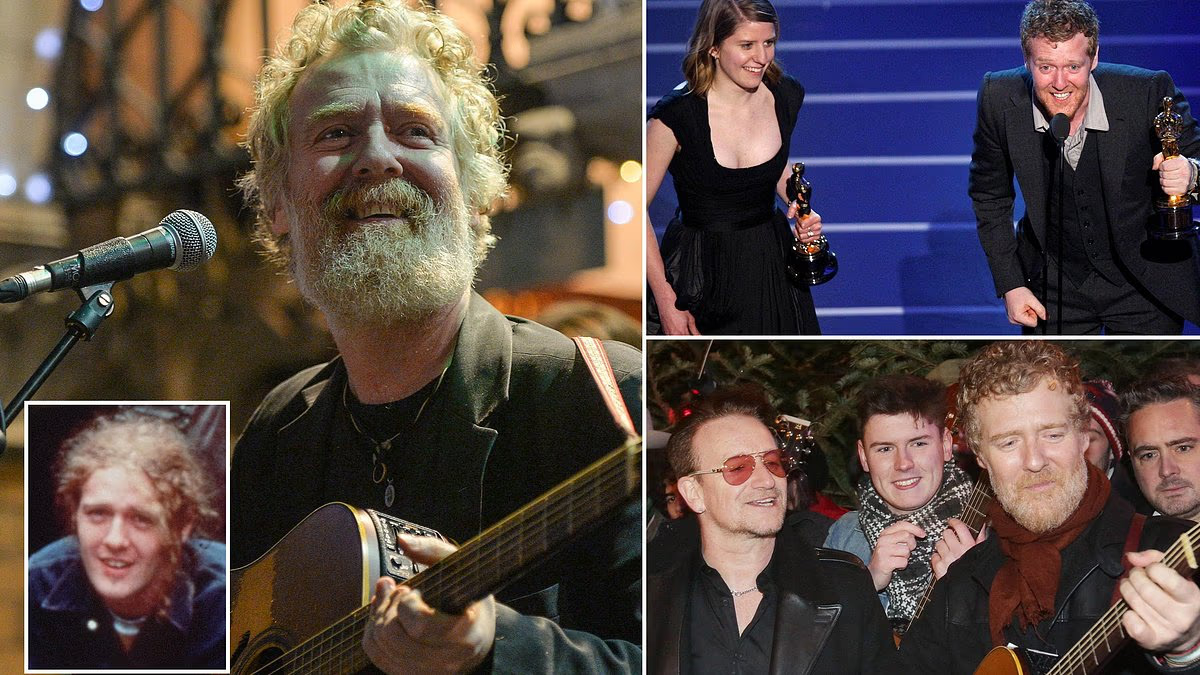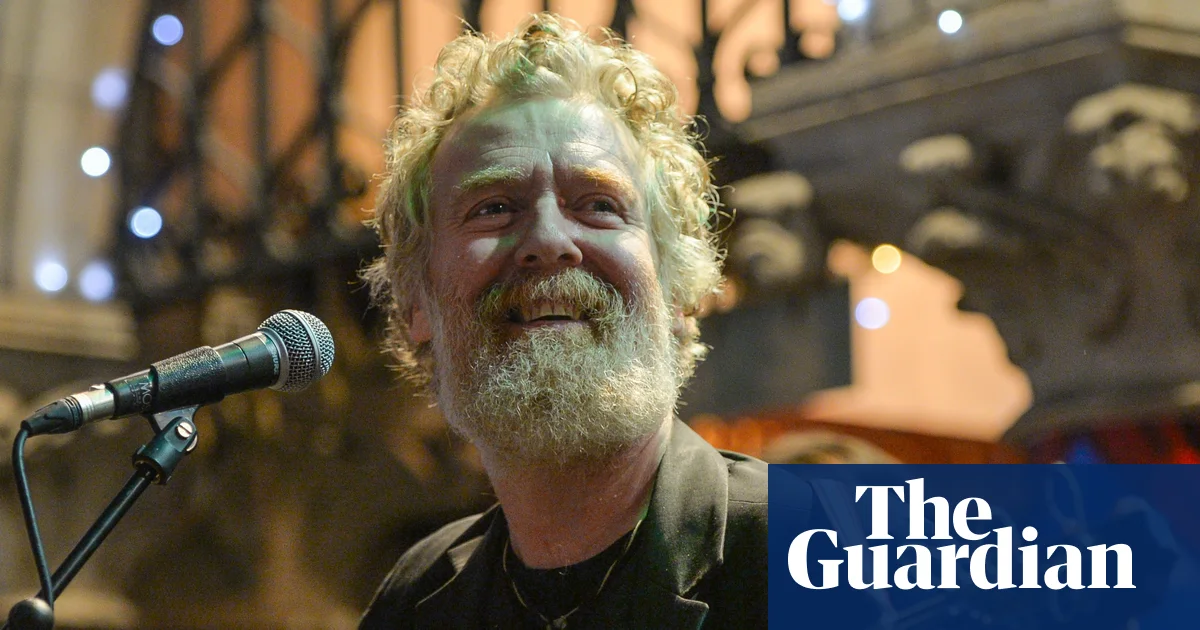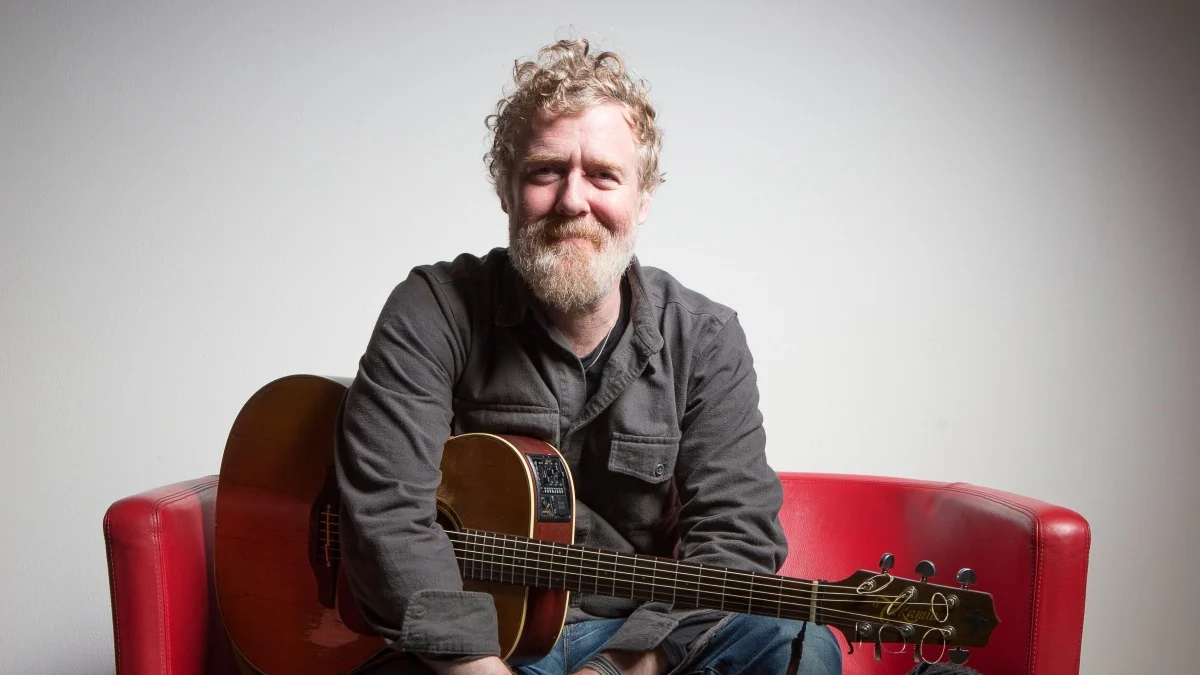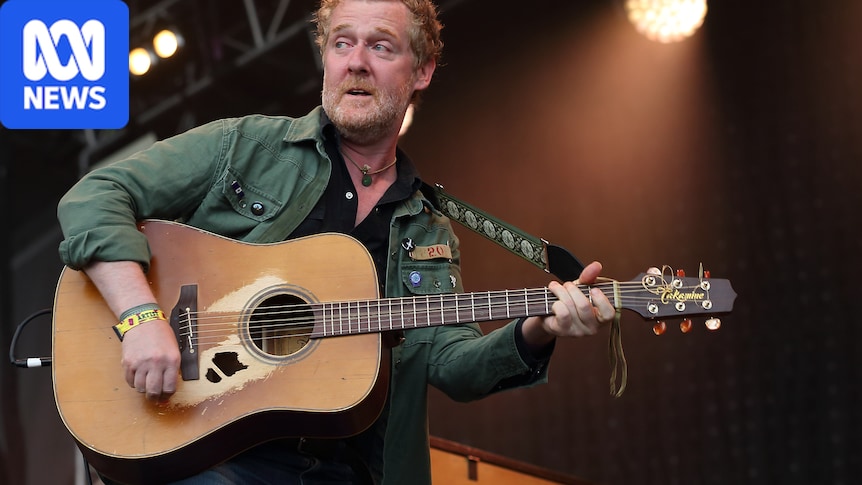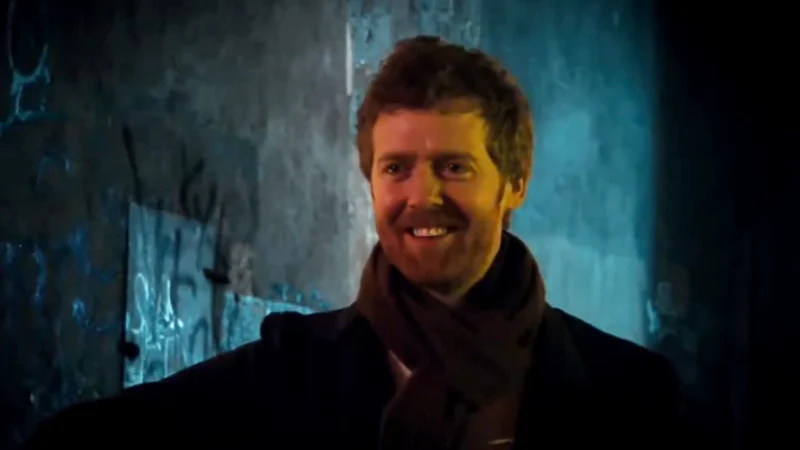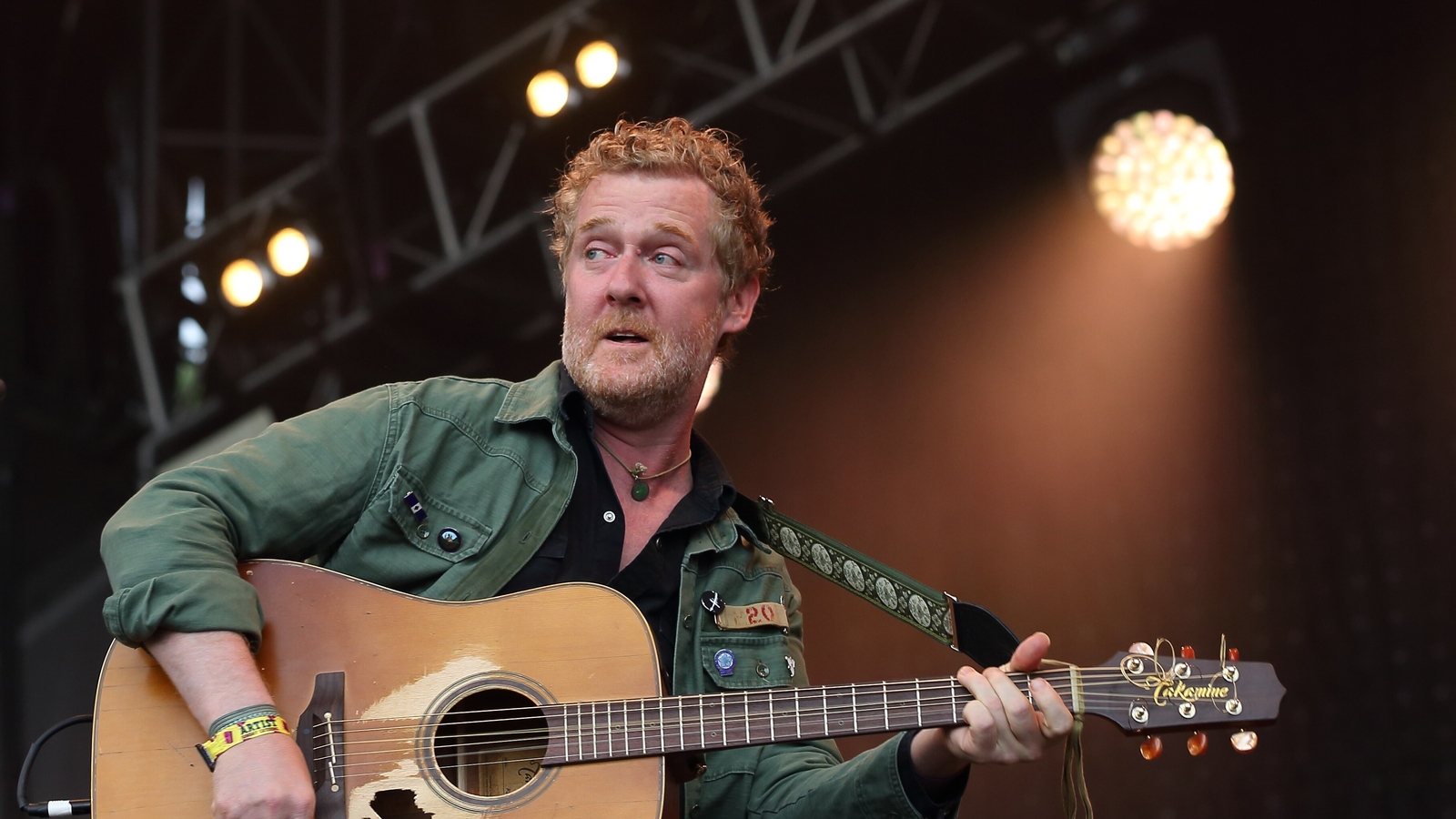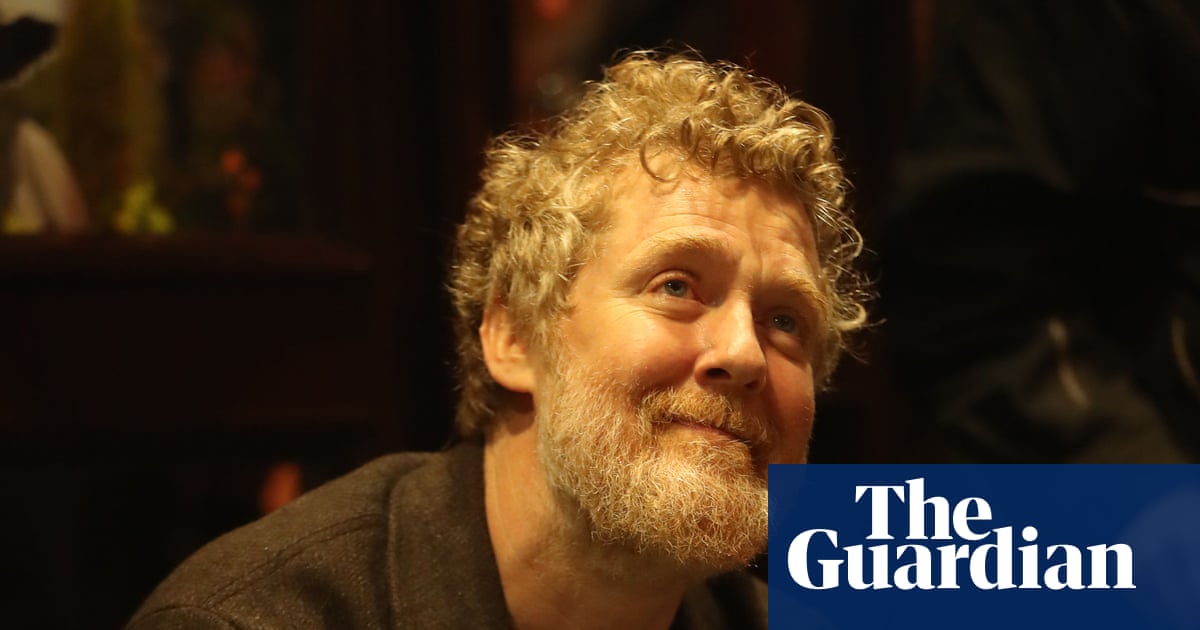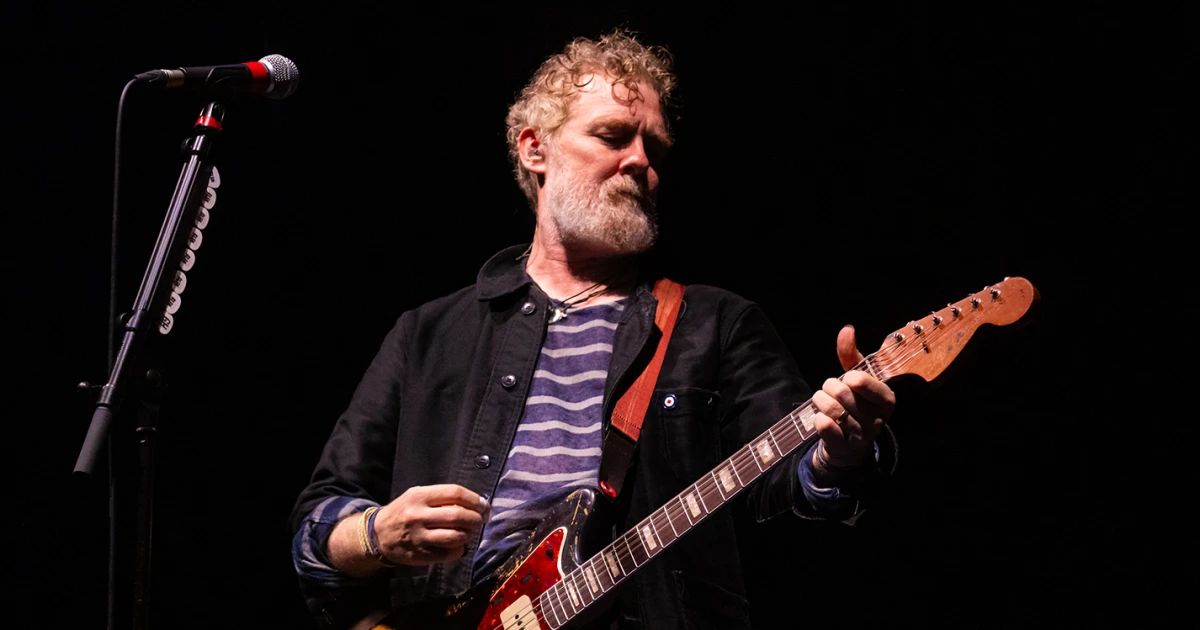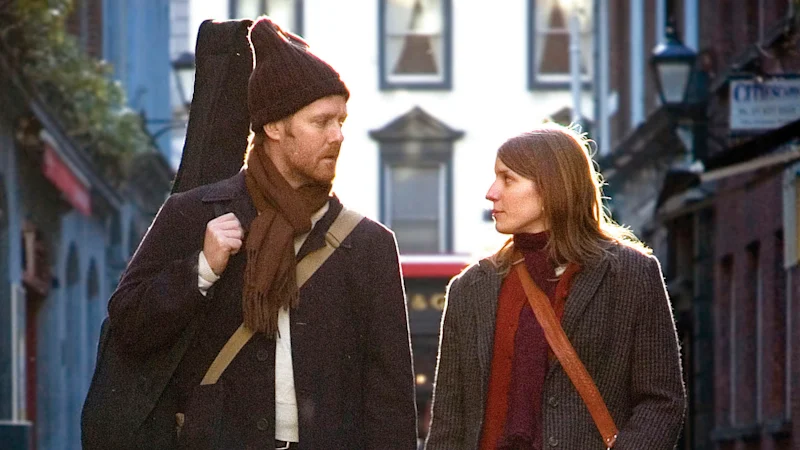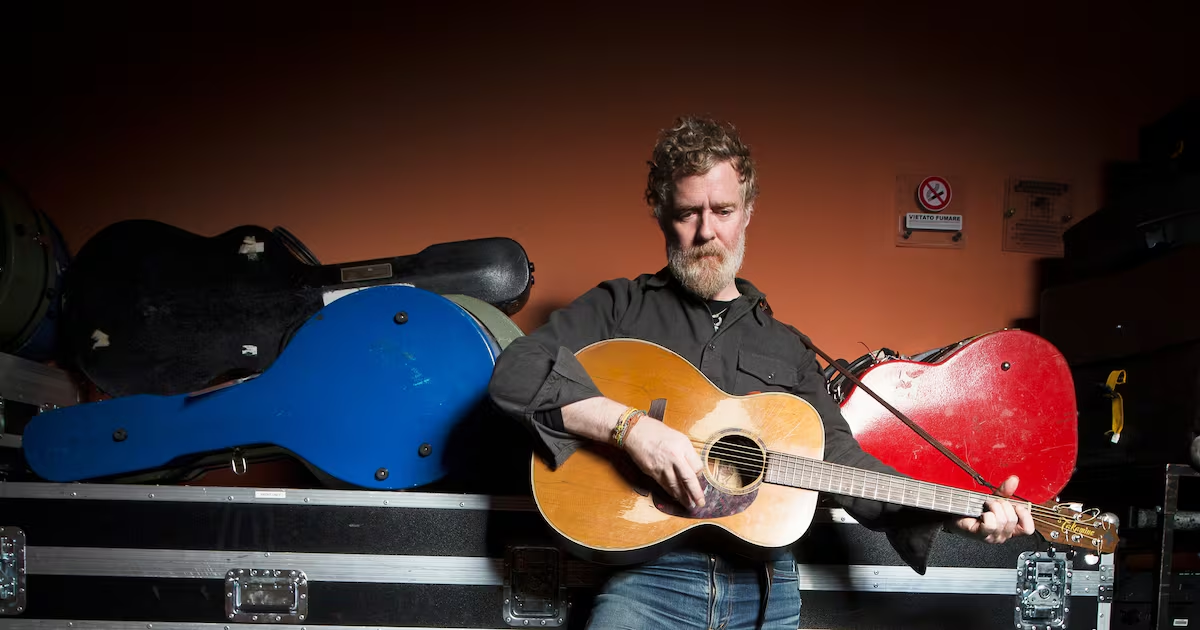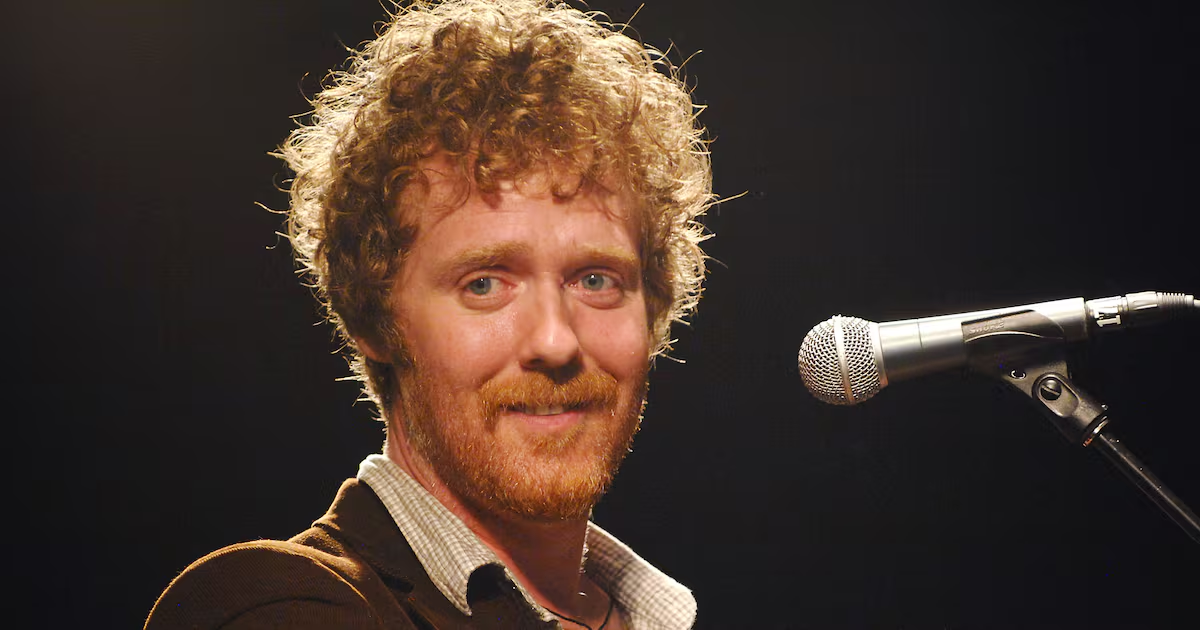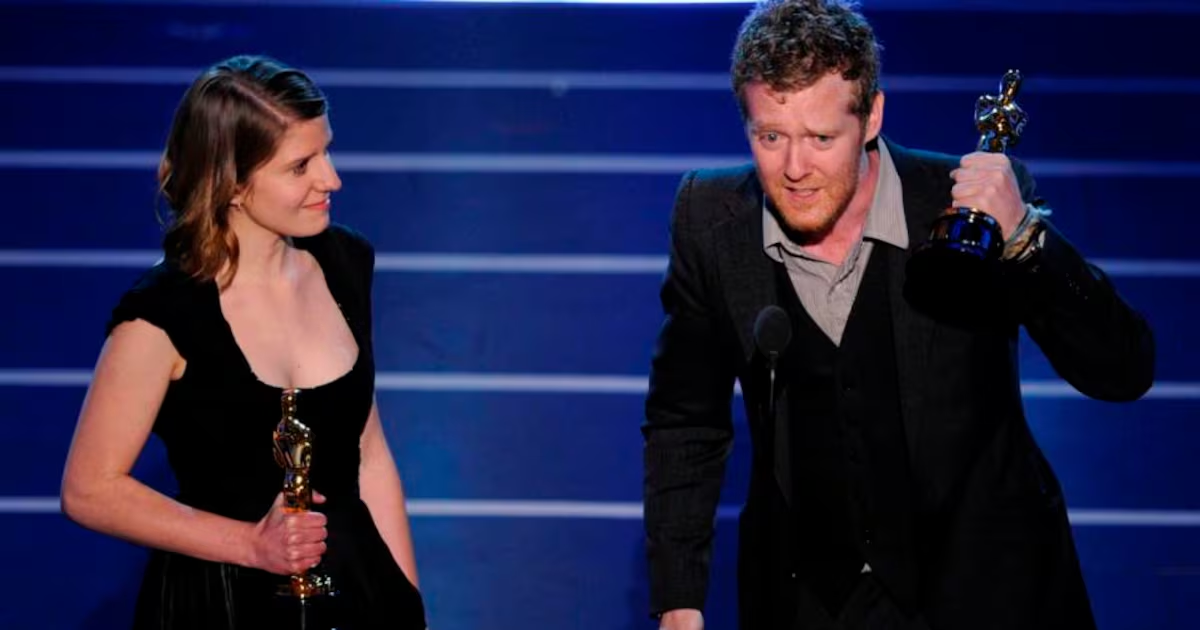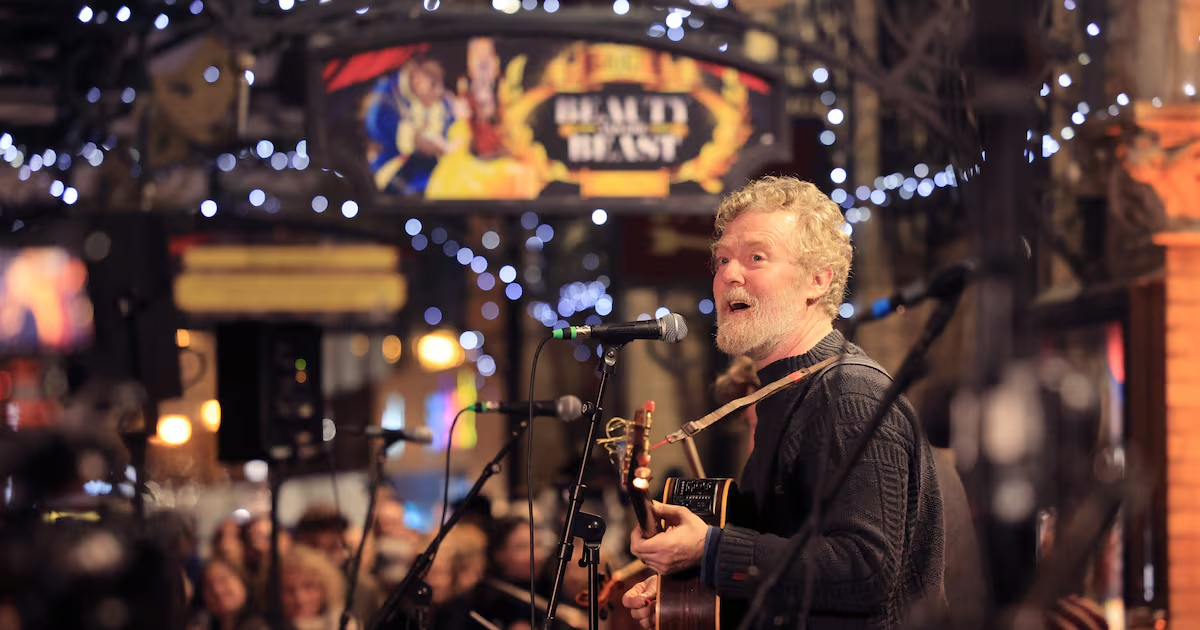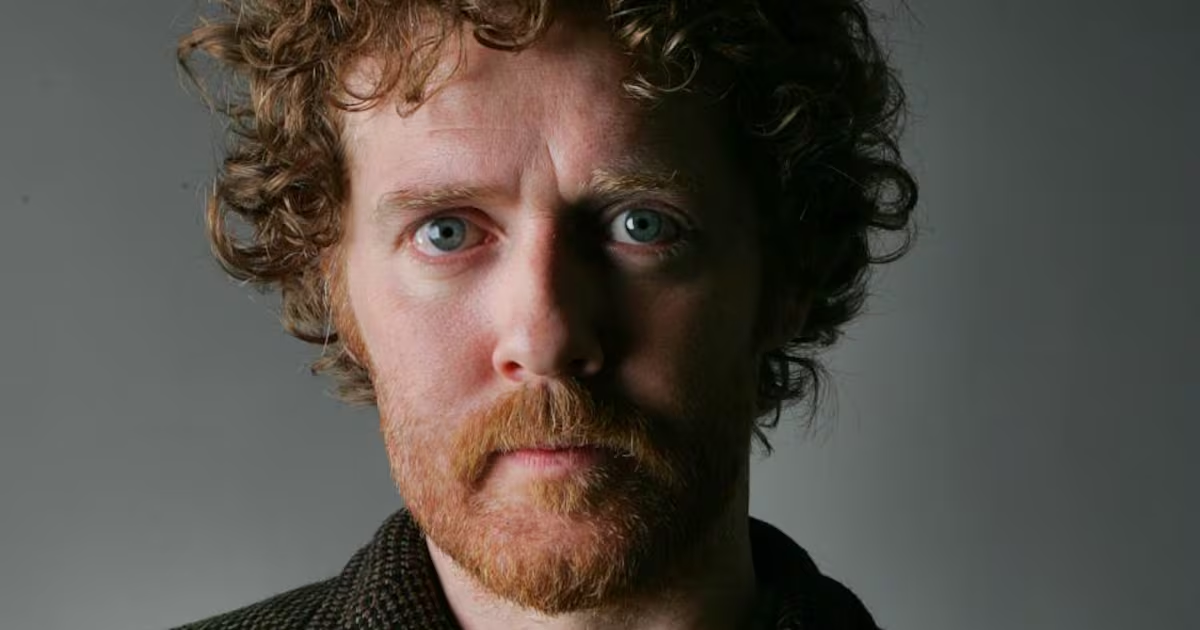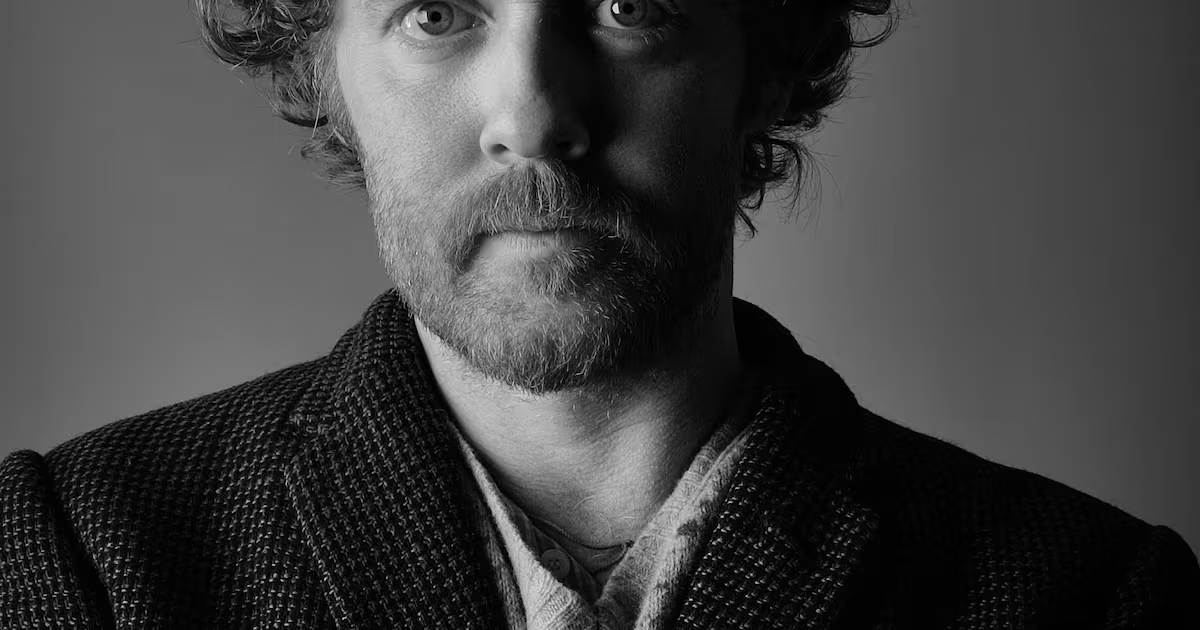
September 1990. A roar echoes down the Dublin dockland quays, still a jumble of dilapidated Victorian sheds and yards, over the heads of the cast and crew and the gawkers. “Stop f**king acting!”Alan Parker has come to Dublin in search of something he had seen in Roddy Doyle’s The Commitments; a raucous, funny, defiant life force in a battered, grimy old city that the wider world had mostly written off. He did not want performances. He wanted real people.All film-making is artifice, and Parker’s Dublin was a heightened version. But his intuition was to populate it with real kids from real bands. One of them was Glen Hansard, who had arrived via an accidental audition with no particular interest in acting. Perfect. Parker never had to tell him to stop acting.Whether the film’s success did most of its cast members any good in the long run is debatable. Some ended up in a live tribute act to the movie. Others drifted. The Commitmentettes, interestingly, went on to more solid entertainment careers. But Hansard, at 20, was the one who saw the whole thing as a distraction and kept his eyes firmly fixed on the prize: a major label contract; a hit album; the world at his feet. It was the dream of a thousand Irish acts swimming hopefully in the slipstream of U2.It didn’t happen. Island Records signed his band The Frames and then dropped them, while their Limerick label-mates The Cranberries went and conquered America. In 1992, that was the definition of failure. We should be grateful to Island, because what happened then was more interesting than some moderately successful international career. A different sort of Irish music scene – lo-fi, pub-based, rooted in the traditions of busking and the session – sprang up in the space left behind by the majors as they tired of trying to find the next U2 and went looking for the next Nirvana or Oasis instead. It is not an accident that The Frames made their first post-Island record with financial backing from Whelan’s, the Wexford Street venue at the heart of the Dublin scene Hansard did more than anyone to birth. The music was warmer and more home-made than the stuff the majors were chasing, and it belonged in an Irish tradition of Americana-infused personal songwriting. There is something odd, though, about a musician who never wanted to be an actor but who ends up being defined not just by his songs, but by his appearance in two films in which he essentially played himself. John Carney’s Dublin in Once is a rather different place from Alan Parker’s one 16 years previously. The city had changed, although Carney’s boho urban landscape was as much of an aesthetic choice as Parker’s gritty one. But the fixed point in both was the same: Glen Hansard, still the busker, still not acting. His relationship with costar Markéta Irglová also mirrored real life: despite an 18-year age gap, their relationship became romantic for two years, and they would continue to collaborate musically until this year.He was an organiser as well as a performer, a man who could marshal disparate individuals into something coherent, and who would make things happen where others couldn’t or wouldn’t, which is why he ended up conducting proceedings at Shane MacGowan’s funeral.Glen Hansard at the annual Christmas Eve busk for the Dublin Simon Community, outside the Gaiety Theatre in Dublin. Photograph: Dara Mac Dónaill/The Irish Times
Hugh Linehan: Nobody ever had to tell Glen Hansard to stop acting
It is not an accident that The Frames made their first post-Island record with financial backing from Whelan’s, the venue at the heart of the Dublin scene Hansard did more than anyone to birth
1,112 words~5 min read