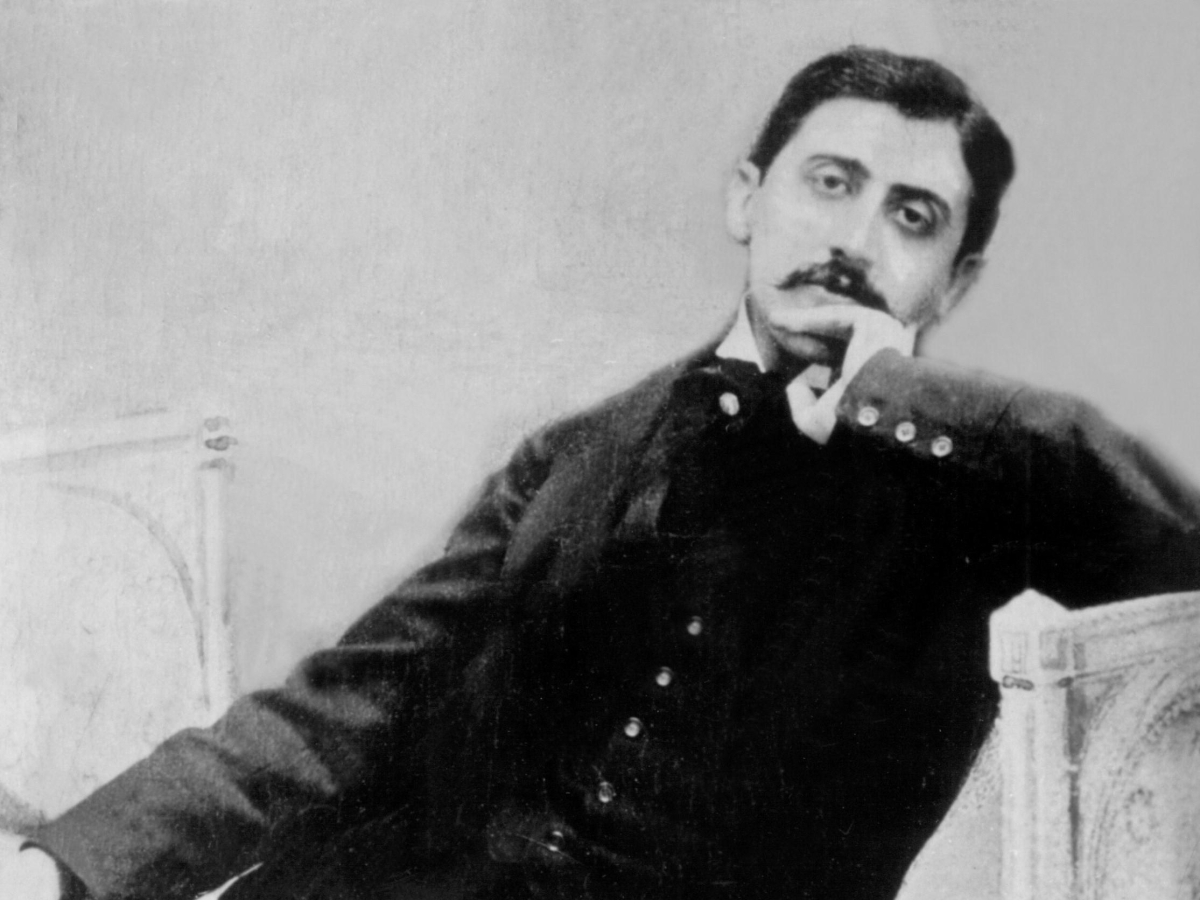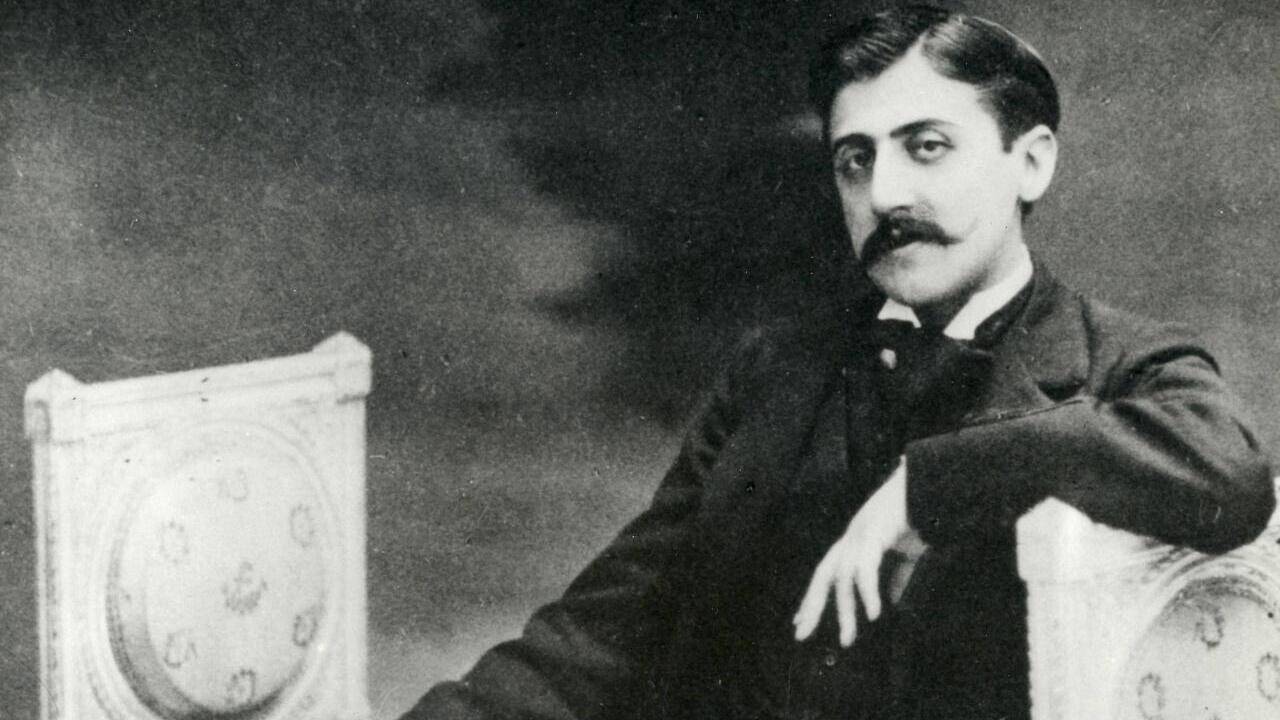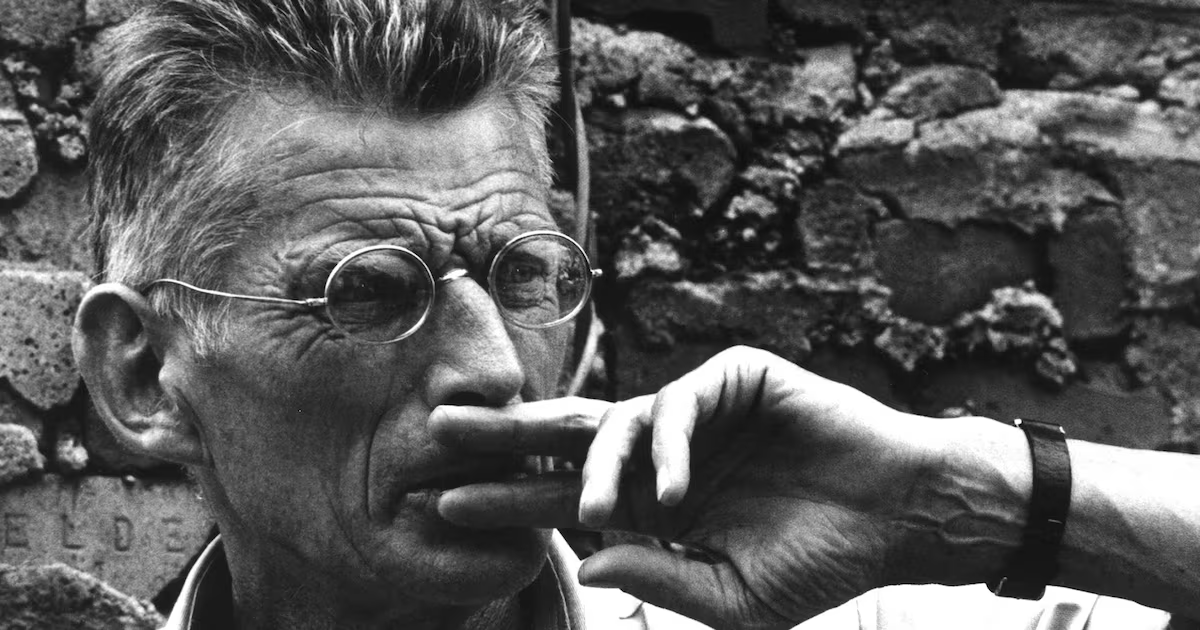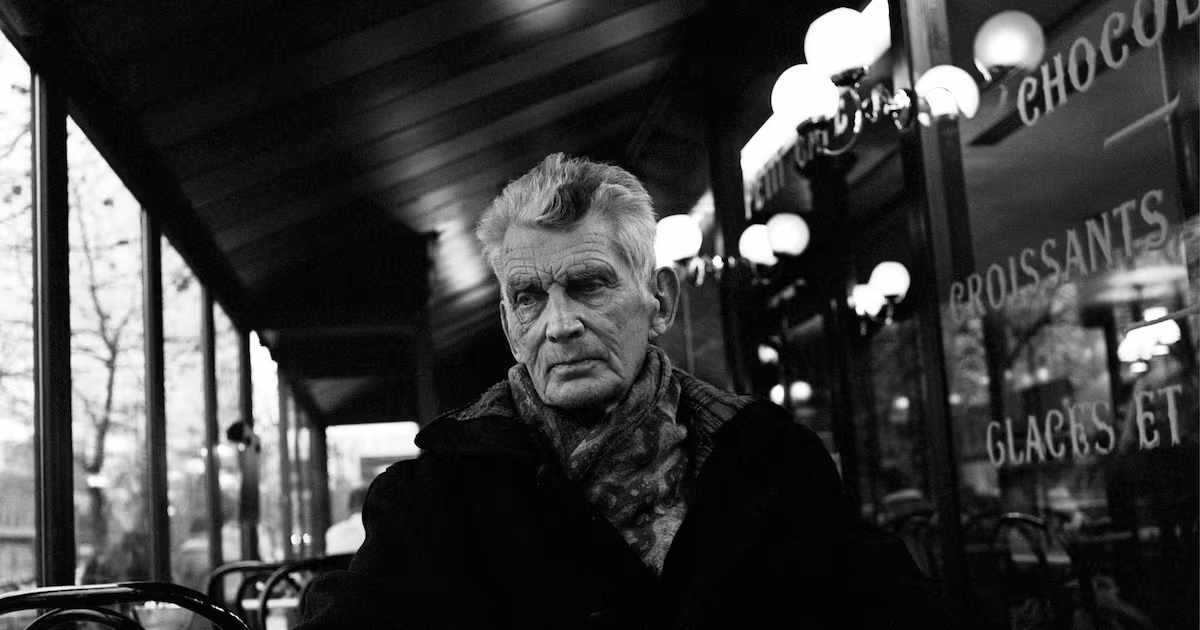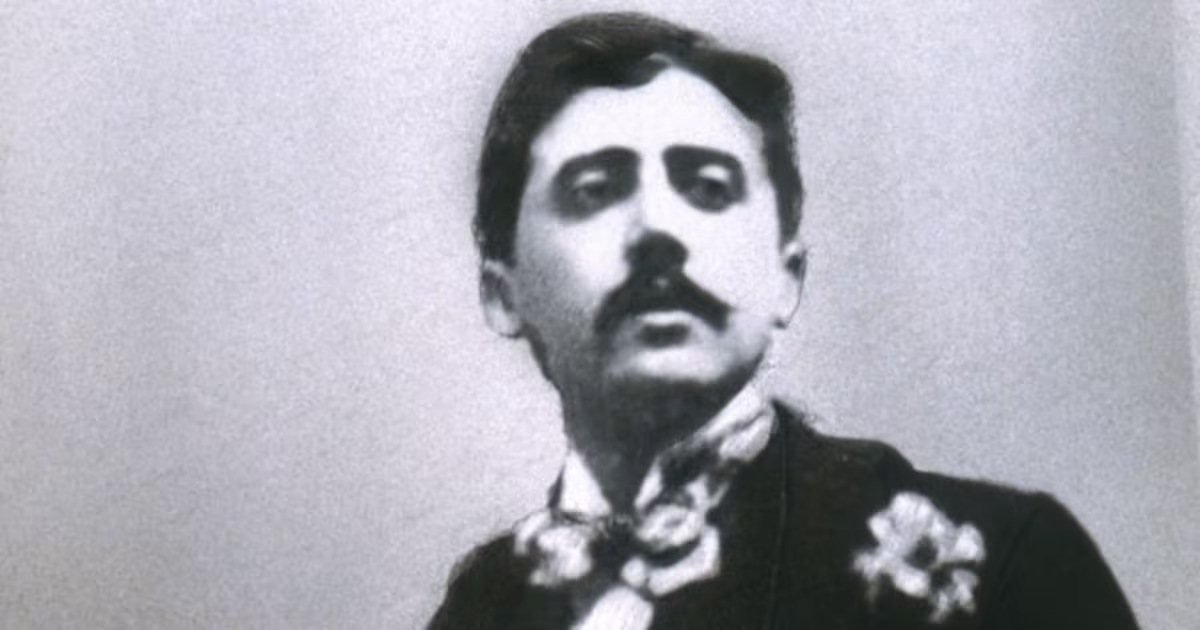
Proust Author: Samuel Beckett ISBN-13: 13978-0571399994 Publisher: Faber & FaberGuideline Price: £8.99; 96ppEimear McBride recounts in her preface that, at the time he was commissioned to write a monograph on Marcel Proust’s À la Recherche du Temps Perdu, the future Nobel laureate had not read a single page of the multi-volume work. Undaunted, “Beckett readily accepted and spent the stormy summer of 1930 immersing himself in Proust’s capacious masterpiece”.Only 24, Samuel Beckett would soon return to Dublin from Paris, having spent two years teaching at the École Normale Supérieure. His literary career was still in its infancy: he had published his celebrated essay Dante... Bruno, Vico… Joyce on his friend and mentor; assisted with research in what would become Finnegans Wake; and won a prize for his poem Whoroscope, inspired by a biography of Rene Descartes. While it may spark renewed interest among Proust scholars, this reissued monograph will undoubtedly appeal most to Beckett’s own devotees. Speaking from that perspective, there is much to savour in this edition, reprinted 95 years after its initial release. Take Beckett’s analysis of Proust’s “involuntary memory”, illustrated by the first volume’s famous madeleine episode, in which the taste of tea-soaked cake triggers the return of a wealth of long-forgotten memories. For Proust, our capacity to remember in this fashion demonstrates that the past remains latent within us, and that art, by its mastery of this faculty, may disclose otherwise-hidden truths.The young Beckett takes somewhat less consolation from this phenomenon. He writes that “Proust’s creatures” are “victims and prisoners” of time, “as lower organisms, conscious only of two dimensions and suddenly confronted with the mystery of height, are”. Involuntary memory is proof that “yesterday has deformed us, or been deformed by us”, and that our sense of self is an illusion: what we are today is “no longer what we were before the calamity of yesterday”. In these highly evocative statements, we hear the desolation that runs through the mature Beckett’s work – the focus of which, pithily characterised by the nihilist philosopher Emil Cioran, is with “the incurable”.Naturally, there’s too much to unpack within the confines of a short review, but rest assured, Proust is a fascinating glimpse of Beckett “in the making”. Beyond its status as an erudite work of literary scholarship, this early critical prose demonstrates the nutritive ground from which Beckett’s talent would grow.
Proust by Samuel Beckett: A fascinating glimpse of a Nobel laureate ‘in the making’
Beckett’s youthful study illuminates the intellectual development of one of Ireland’s most formidable literary talents
393 words~2 min read