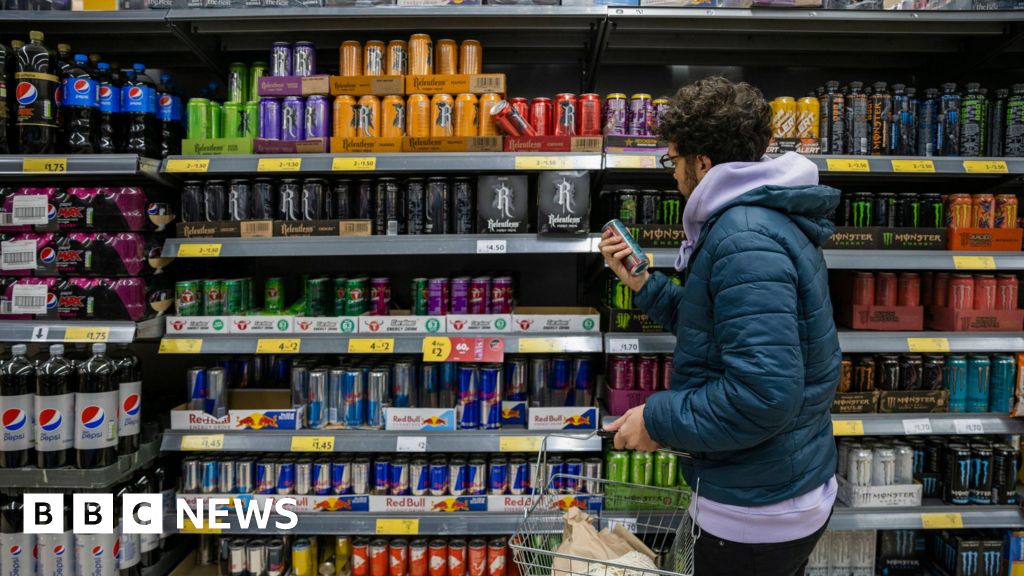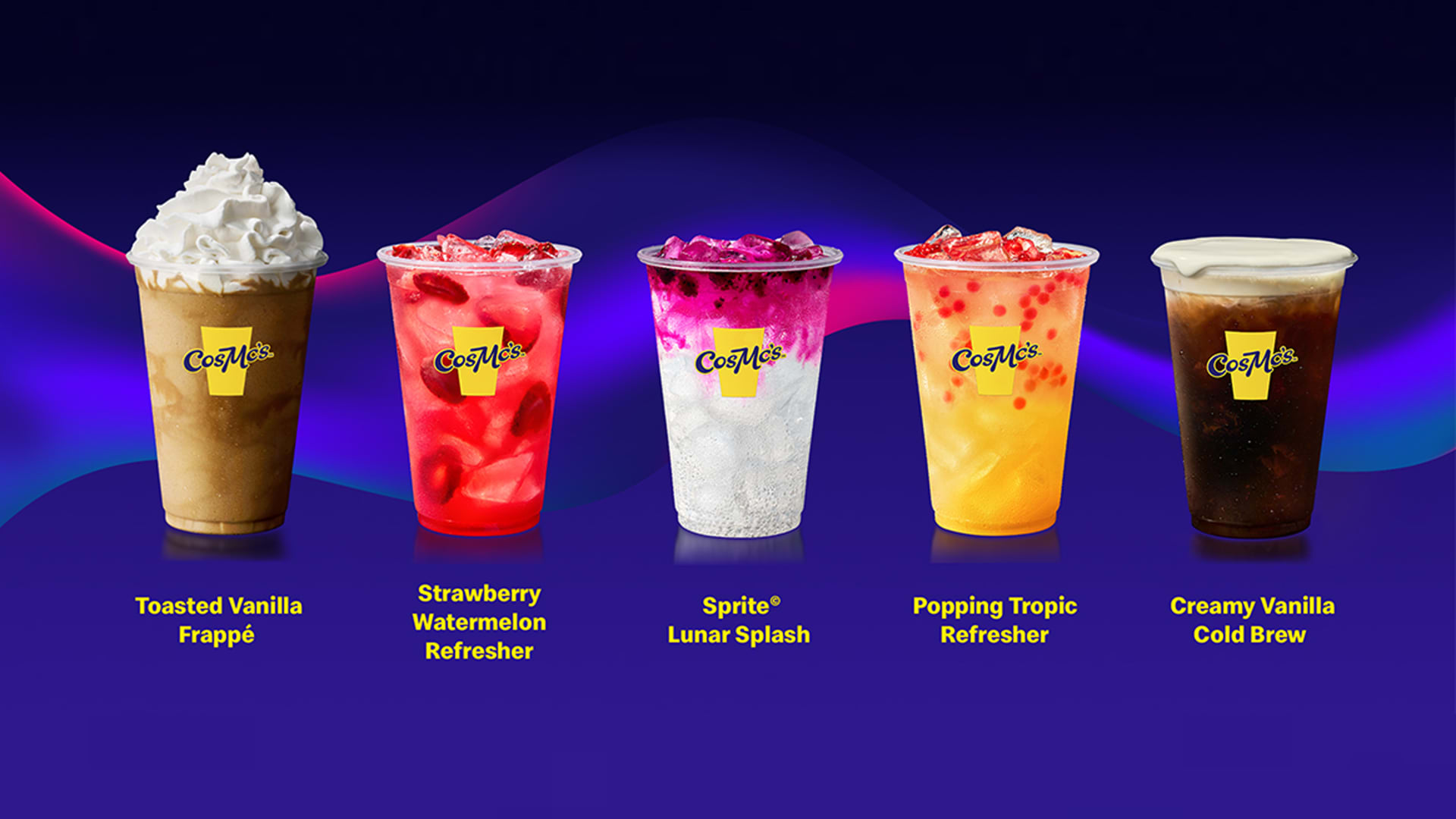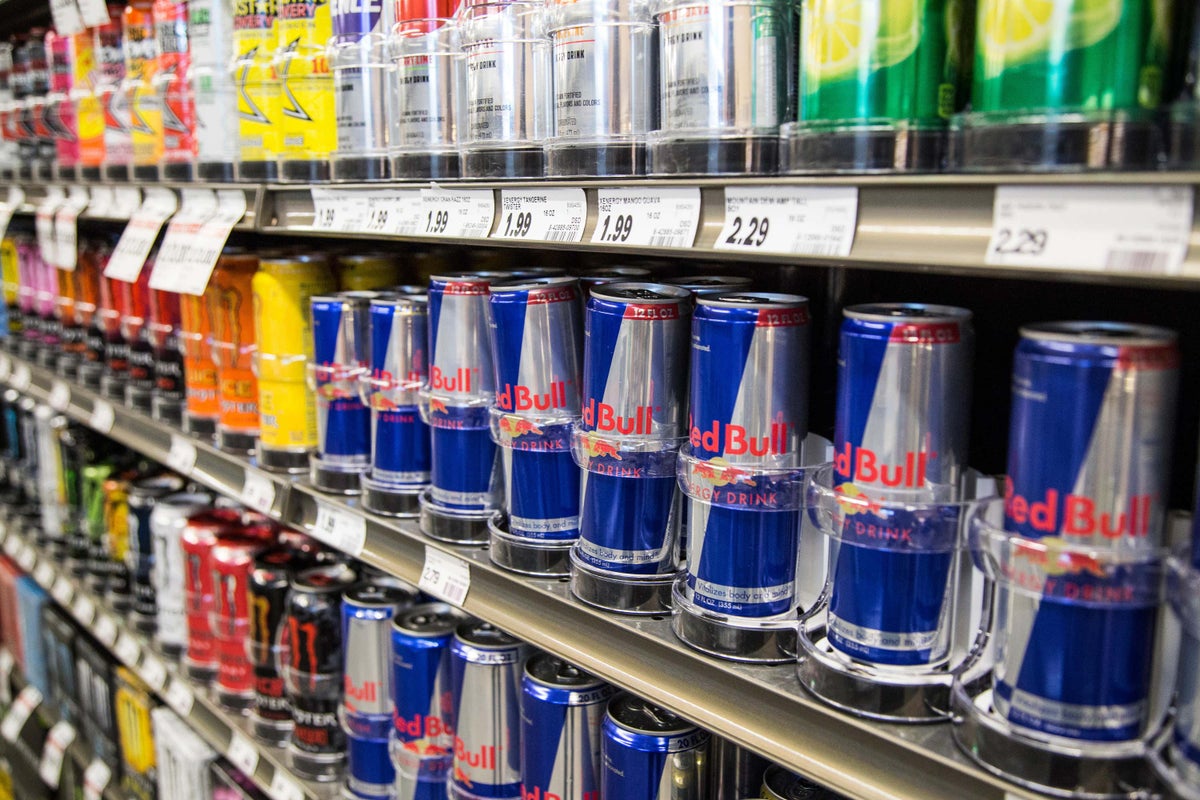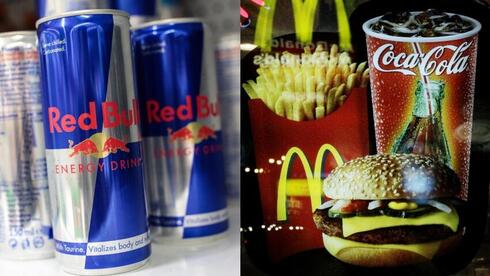
McDonald’s is in hot water over new caffeinated drinks that experts say are being “marketed to children” – while other countries move to ban energy drinks for under-16s. Macca’s launched its new Red Bull drinks range across Australia this month, following an initial regional trial in Queensland and Victoria.The range includes the Red Bull Dragonberry Energiser and the Peach Boost Energiser: fruit-flavoured specialty drinks branded as the “perfect pick-me-up” and containing 80mg of caffeine, around the same amount as an instant coffee.Macca’s says the drinks aren’t recommended for kids and they comply with Aussie regulations – but critics argue the flashy marketing is clearly designed to appeal to young people. ‘Children are not small adults’“They’ve taken a Red Bull and they’ve added bright colours and fruity flavours, and it’s being promoted all over TikTok as the cool, innovative drink,” pediatric nutritionist Mandy Sacher, founder of Real Food Rating, told news.com.au.“If you look at the name – Dragonberry Energiser – it’s almost like something you see on Fortnite. It’s very appealing to children, and they don’t have discernment. “They don’t understand that it’s not actually a soda, because it looks exactly like a soda.”Customer reviews of the drinks, including from popular Aussie content creator Russ Eats, have proliferated on social media since the launch. Ms Sacher said while energy drink options for kids were expanding in Australia, other countries were moving in the opposite direction.The United Kingdom will ban the sale of energy drinks to under-16s from 2027, citing harm to children’s sleep, anxiety and concentration. In Norway, a ban for under-16s is already in place, while the Czech government has proposed a ban for under-15s. Ms Sacher is calling for similar restrictions in Australia. “Children are not small adults … energy drinks marketed to children need an age limit, honest labelling, and no place on the family menu,” she said.McDonald’s hits backIn response to questions from news.com.au, McDonald’s Australia said in a statement its Red Bull drinks were “not recommended for children are not available as part of Happy Meals”.“In accordance with regulatory requirements, the Energisers feature an advisory statement at all points of sale informing customers that they are not recommended for children,” the company said.“All beverages sold at McDonald’s Australia comply with applicable Australian food standards and labelling requirements, including those relating to caffeine-containing beverages.“We offer a broad range of beverage options across our menu to suit different customer tastes and preferences, including a variety of non-caffeinated beverages. “Nutritional information for all menu items is available through our website and app, enabling customers to make informed choices.”‘Popular with teenagers’But Queensland University of Technology (QUT) marketing expert Professor Gary Mortimer agreed that the new products were likely launched in a bid to attract “younger customers who are already familiar with and regularly consume energy drinks”.“I think it is reasonable to argue that those products are designed, at least in part, to appeal to younger consumers,” Prof Mortimer said. “The flavour profiles are sweet, fruity, and similar to confectionery or soft drink flavours that tend to be popular with teenagers and young adults.“The use of distinctive names such as Dragonberry also creates a sense of novelty and excitement that aligns with youth-oriented branding.”Prof Mortimer said the evidence showed adolescents and young adults were major consumers of energy drinks. A 2024 policy brief from the University of Connecticut found that children and young adults (aged 13-24) had the highest prevalence of energy drink consumption, and that almost one-third of adolescents (aged 12-17) consumed energy drinks regularly.The same report noted that energy drink companies frequently used marketing strategies that targeted young people, including social media promotion and collaborations with brands that appealed to children and teenagers.In addition to caffeine, energy drinks also contain high levels of sugar and stimulants such as taurine, with their consumption potentially leading to anxiety, suicidal ideation and low academic performance.The report recommended a ban on energy drinks for under 16s in Connecticut – which has not been enacted – and said more than three-quarters of parents supported age restrictions.Further research had found that adolescents were attracted to energy drinks because of factors such as taste, peer influence and advertising, Prof Mortimer said.Fears energy drink ban could backfireFood scientist Dr Emma Beckett has argued in favour of education over an outright ban on energy drinks for young people.“I would worry a ban makes them enticing in a way,” Dr Beckett told nine.com.au.But Ms Sacher said while a ban could spark a “backlash”, “if we applied that narrative to alcohol, cigarettes and vapes, it wouldn’t really work”.“When we normalise as a society that these aren’t good for you and shouldn’t be consumed by under-16s, it definitely does have an effect,” the nutritionist said. “It may take time, but it becomes less of a norm to see kids drinking these energy drinks.”
‘Marketed to children’: Storm erupts over colourful new McDonald’s Red Bull drinks
McDonald’s is in hot water over new caffeinated drinks that experts say are being “marketed to children” – while other countries move to ban energy drinks for under-16s.
802 words~4 min read