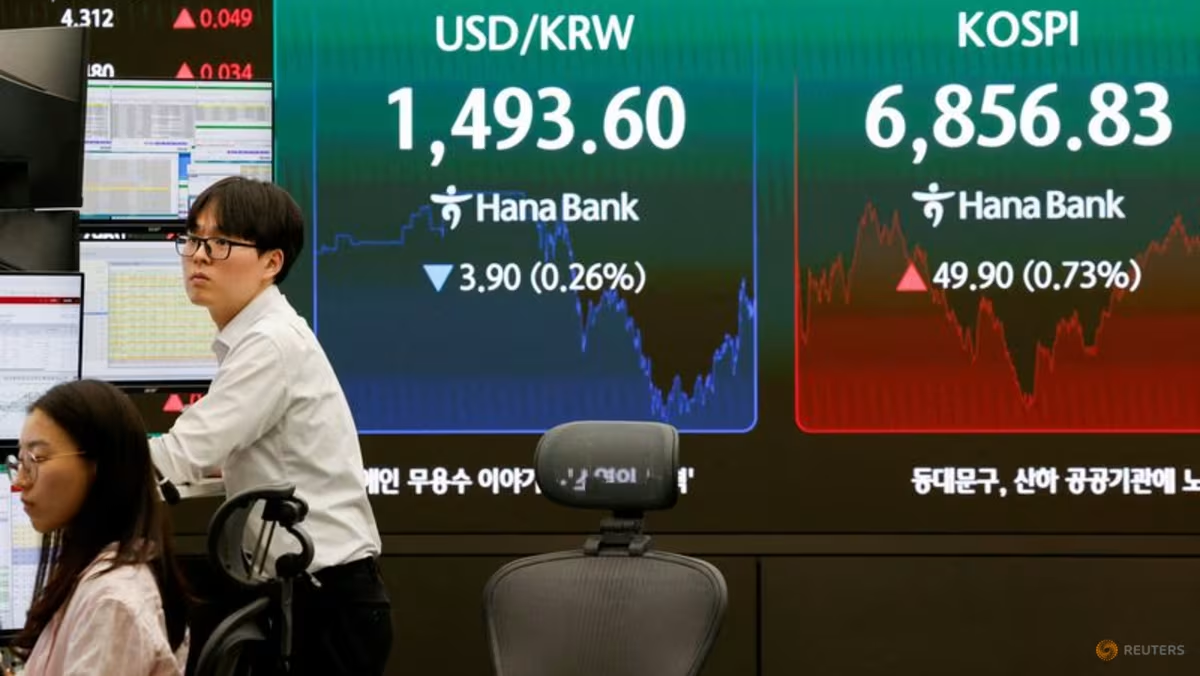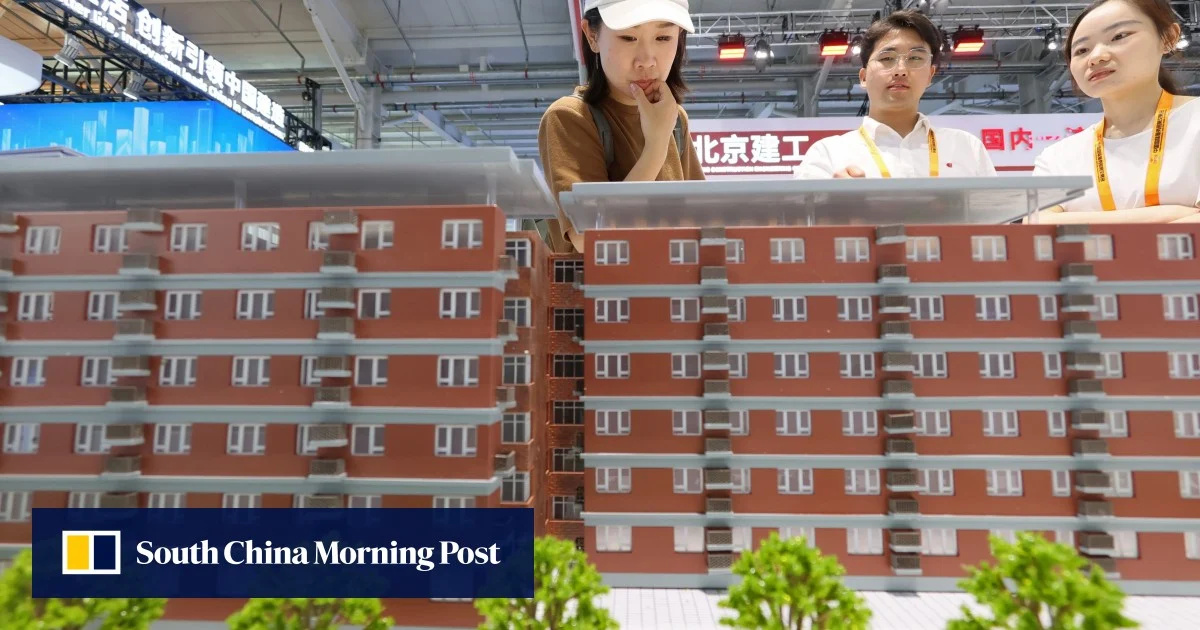
Chinese families are fast retreating from real estate, with many holding large cash reserves now cautiously weighing stock investments, marking a stark contrast with South Korea, where retail investors are aggressively using leverage to fuel equity bets at home and abroad.Property’s share of household assets dropped to 52 per cent in the first quarter of 2026 from 67 per cent in mid-2021, while cash and bank deposits rose to 25 per cent from 16 per cent in the same period, according to a Goldman Sachs report in June.“China’s household asset allocation is at the early stage of a structural shift: as property’s role in wealth accumulation fades and deposit rates stay low, savings are likely to migrate gradually towards broader financial assets,” Goldman Sachs analysts said in the report.The macro picture reflects individual choices. Yu, a Beijing homeowner, said she was considering selling her flat, valued at 2.1 million yuan (US$310,260), which generated 4,500 yuan in monthly rent – an annual yield of 2.6 per cent.“The rental yield is so low, and I’m not confident Beijing home prices will go up in the next five years,” Yu said, citing population decline concerns and adding that she might wait for a better exchange rate before investing abroad.Mainland Chinese families are deliberately liquidating non-core, investment-driven properties to make their asset structures more balanced and diversifiedDirect stock holdings among Chinese households edged up to 6 per cent in the first quarter this year from 5 per cent in mid-2021, with only a quarter of adults participating in the equity market, according to Goldman Sachs.
From property to portfolios: why Chinese families are walking away from homes
While Chinese families grow cautious, South Korean retail investors use record leverage to chase tech ETFs despite mounting risks.
TL;DRAI
Chinese households are shifting from real estate to cash and equities: property share fell from 67% to 52%, cash rose to 25%. This reallocation, driven by low rental yields and population decline, signals eroding confidence reshaping demand for financial services.
261 words~1 min read