Originally published on tamiz.pro.
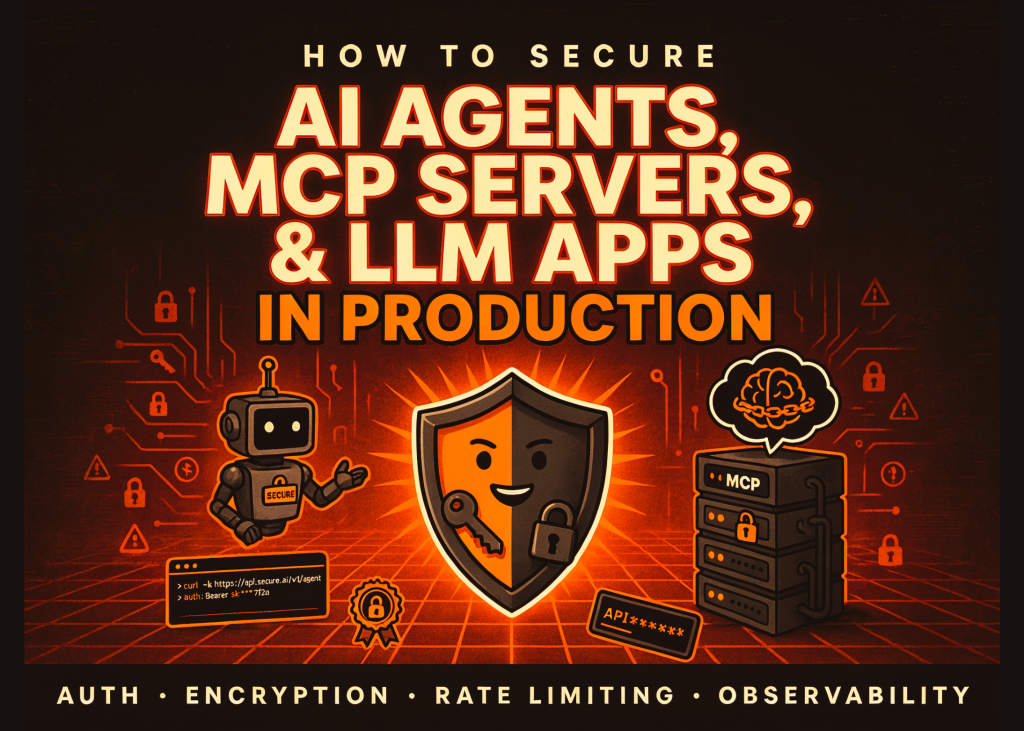
The rise of autonomous AI agents—systems capable of reasoning, planning, and executing multi-step workflows across external APIs—has fundamentally broken the traditional perimeter-based security model. For years, we secured software by protecting the network edge. Today, an AI agent acts as a dynamic, ephemeral user that requires read/write access to databases, cloud storage, payment gateways, and internal microservices.
The naive approach to this problem is hardcoding API keys into prompt templates or environment variables. This is catastrophic. If an agent is prompted with a static AWS Secret Key, a prompt injection attack can extract it. If the agent runs in a sandboxed container, the container must still possess the credentials, creating a high-value target for container escape vulnerabilities.
This article explores the next evolution in AI security: Credential Abstraction and Zero-Trust Model Context Protocol (MCP) Architectures. We will move beyond static secrets to dynamic, context-aware, least-privilege access patterns, leveraging the emerging MCP standard to create a secure bridge between LLMs and enterprise systems.
The Failure of Static Credentials in Agent Workflows